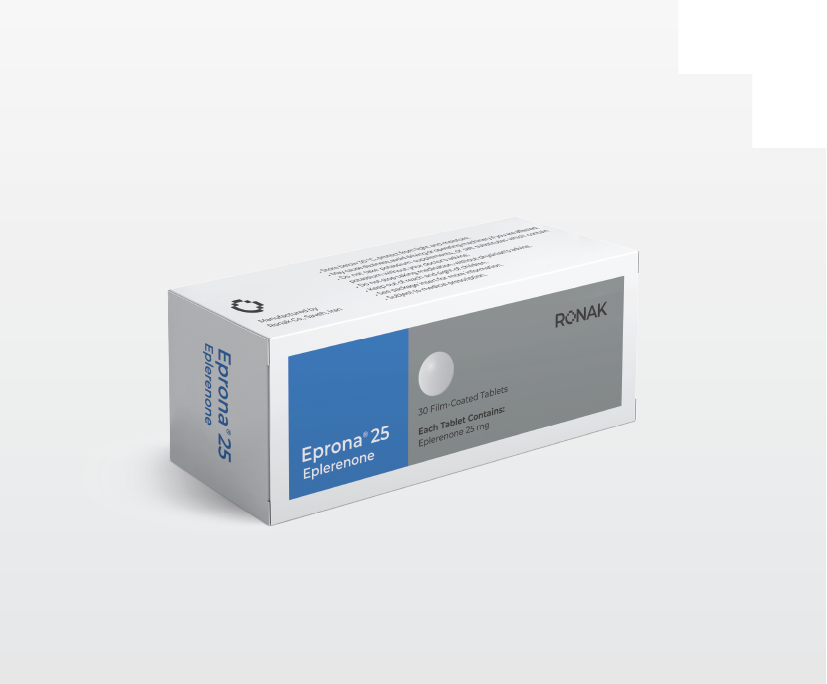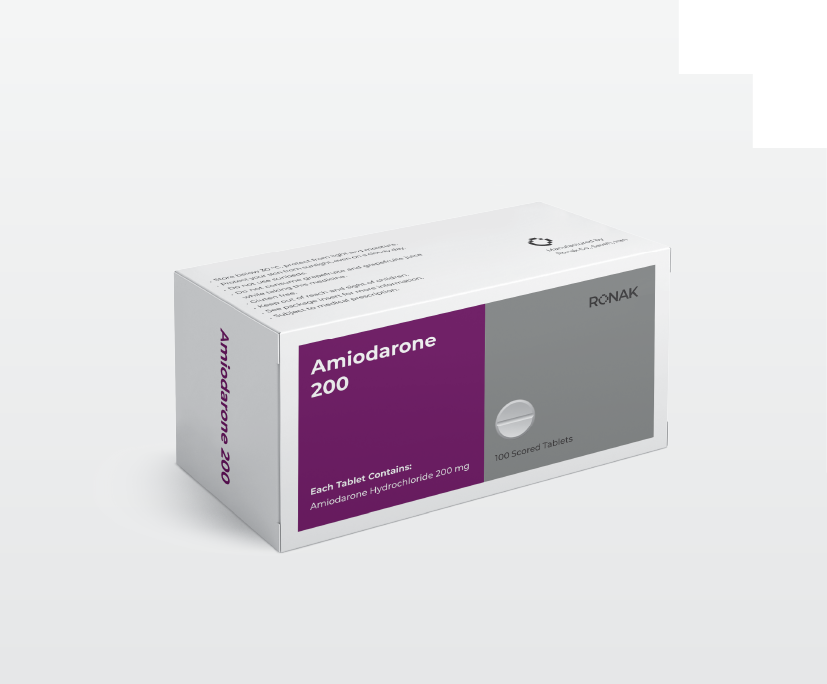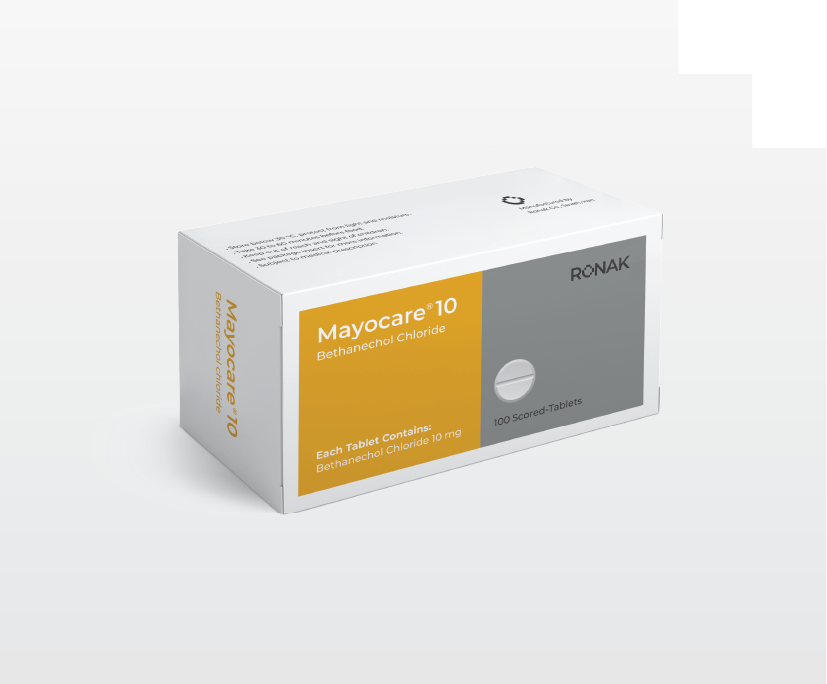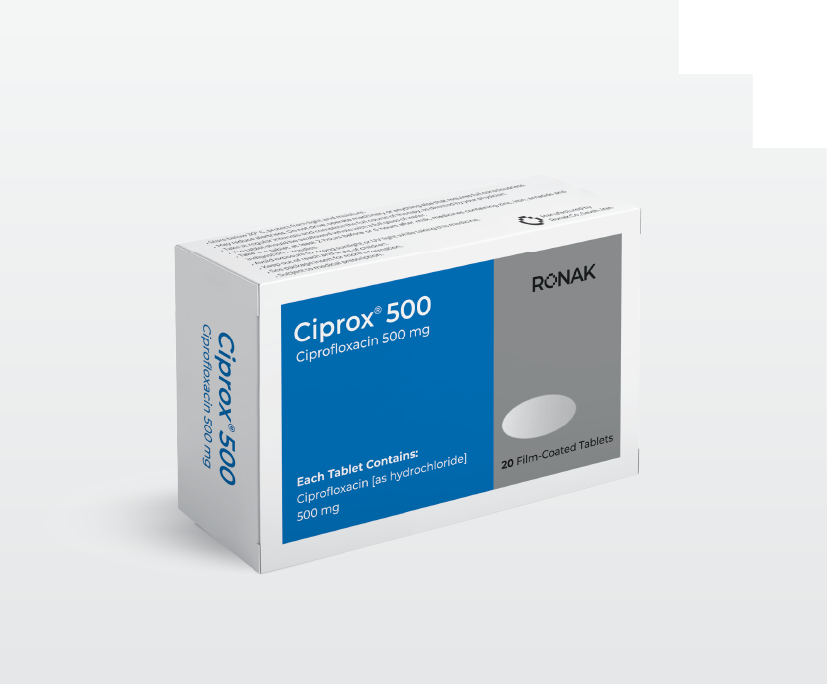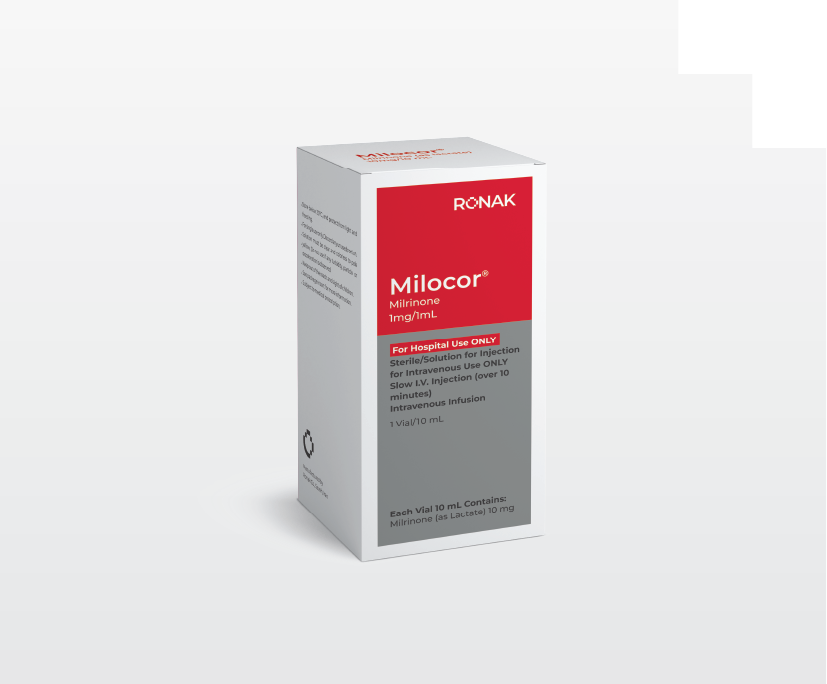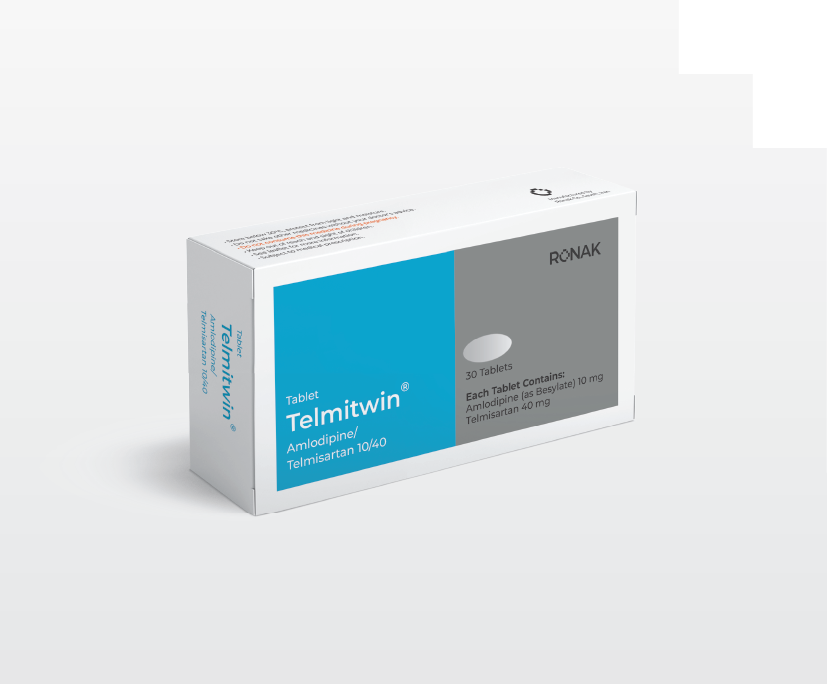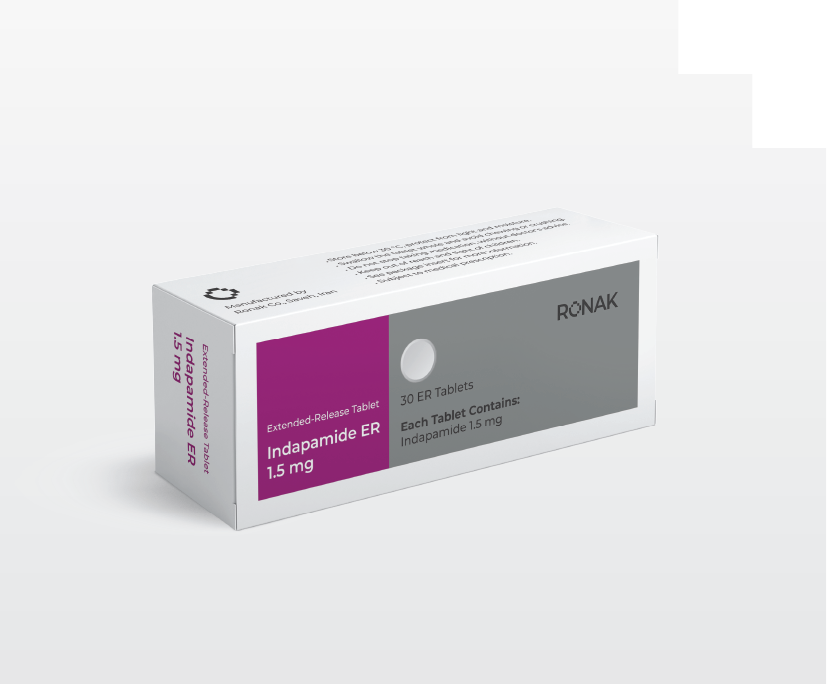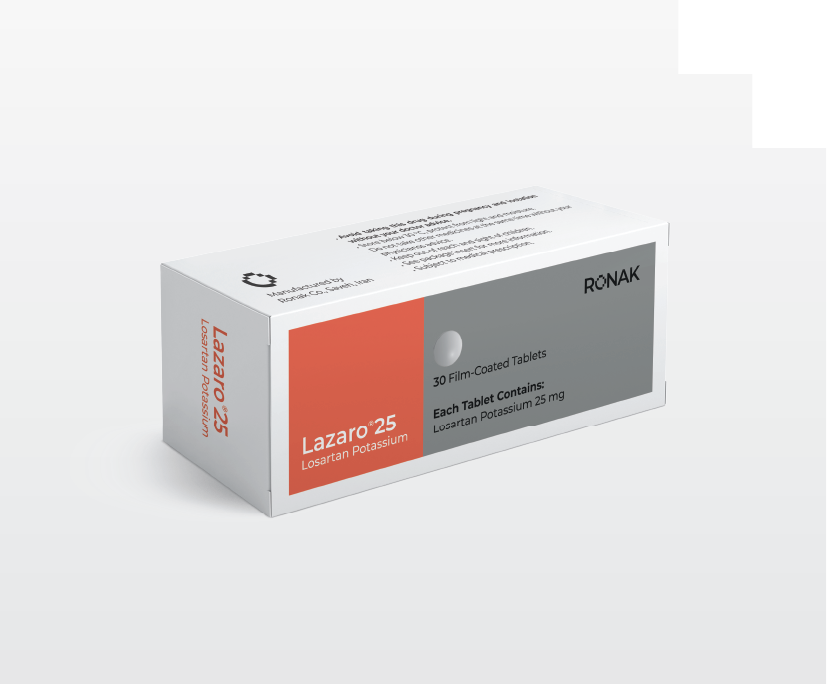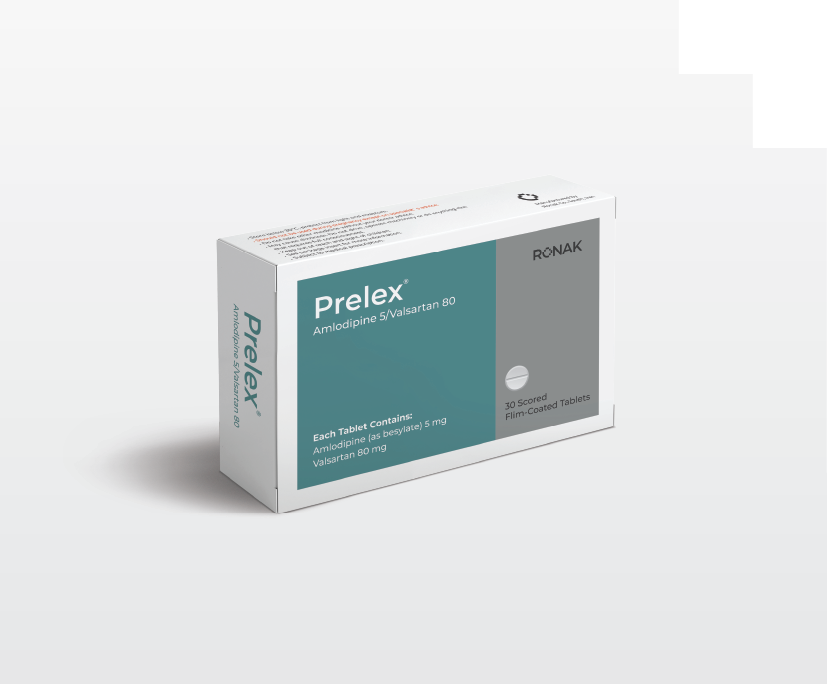





This category includes diseases that affect the heart and blood vessels. Medications in this group are used to prevent, control, and treat hypertension, dyslipidemia, heart failure, arrhythmia, and other cardiovascular disorders.
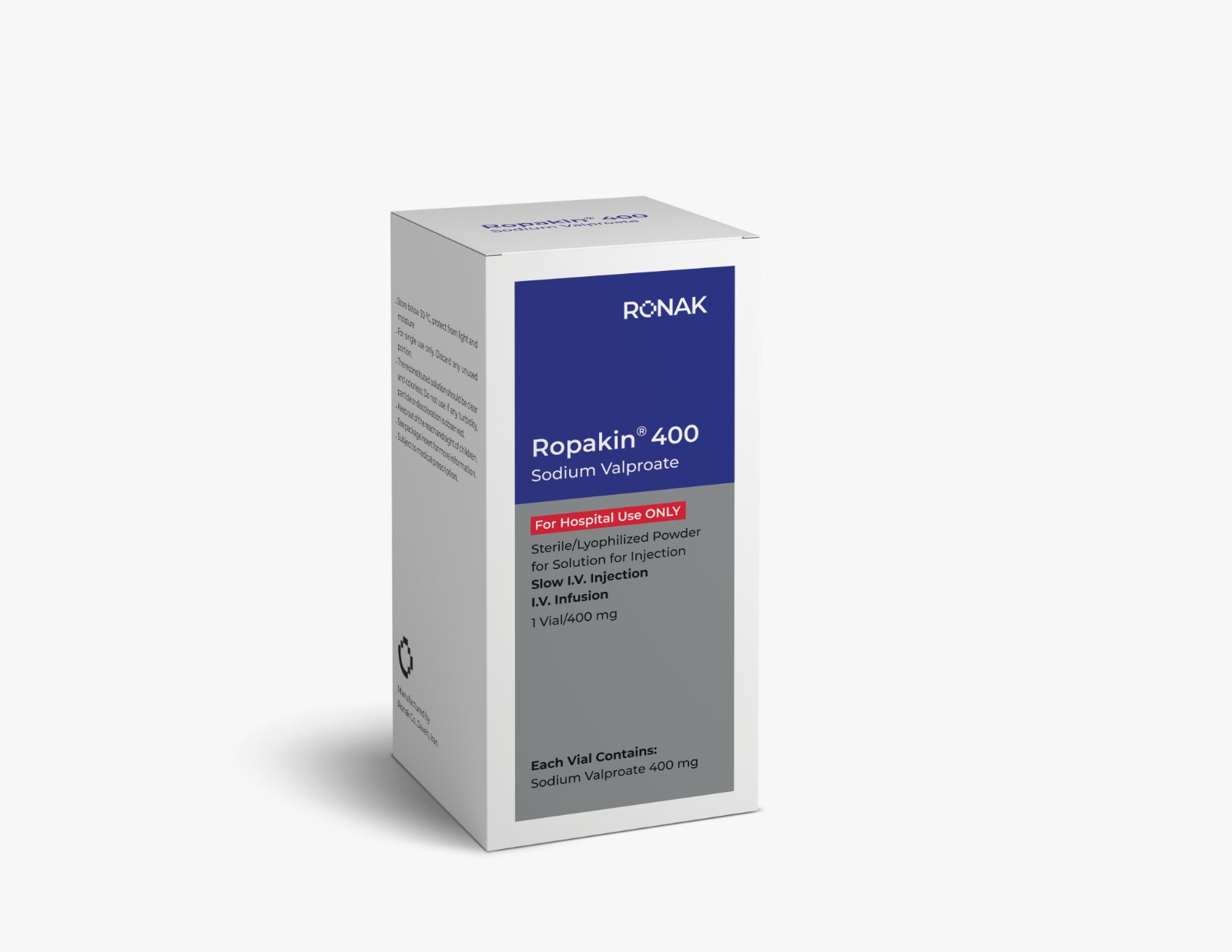
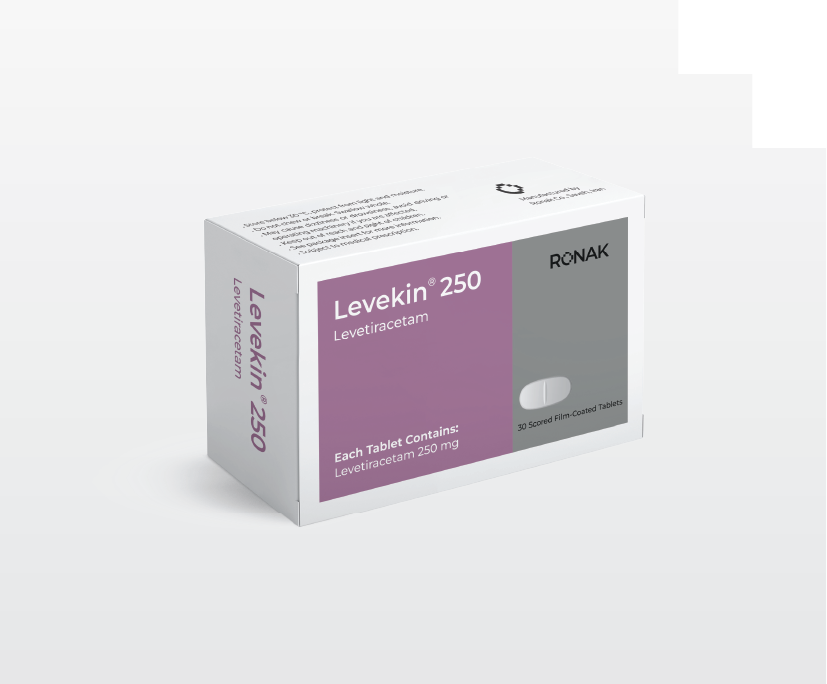
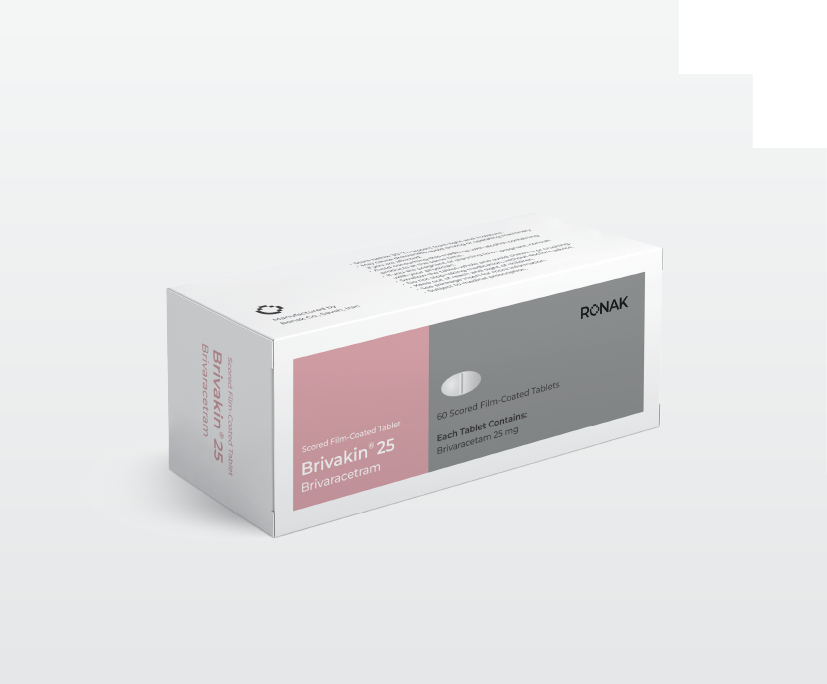
This category includes diseases and disorders of the central and peripheral nervous systems. Medications in this group are used to treat epilepsy, Parkinson's, migraines, multiple sclerosis, and other neurological disorders.
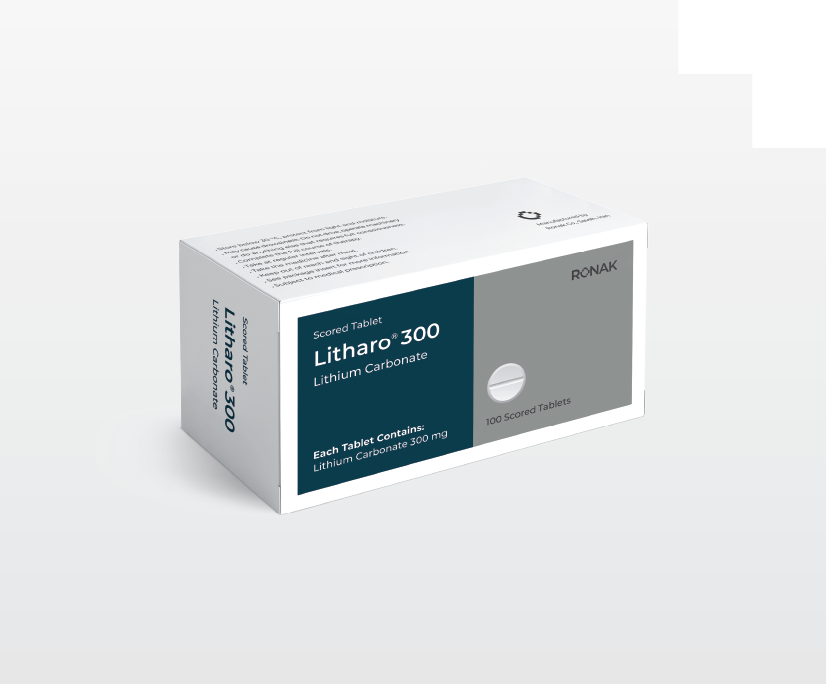
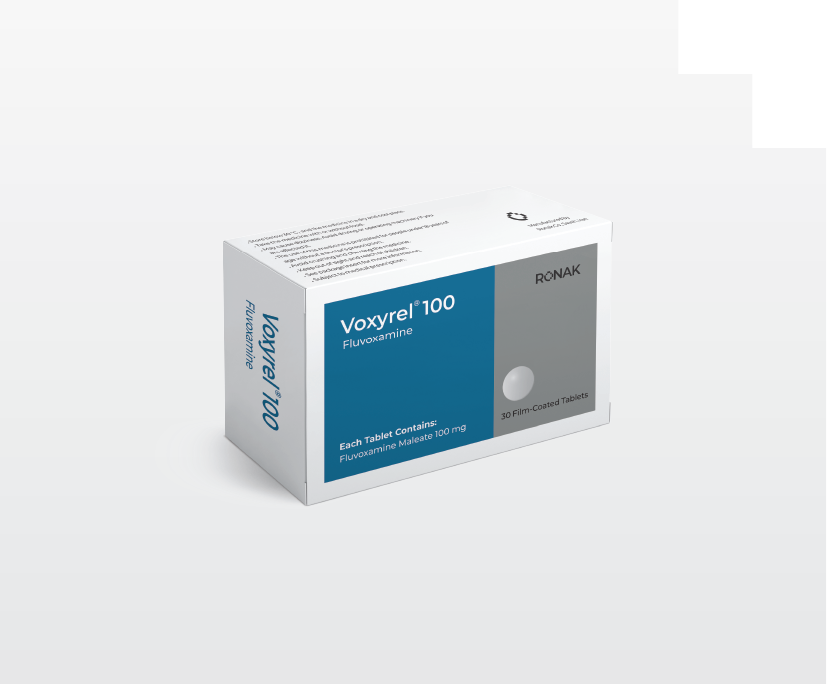
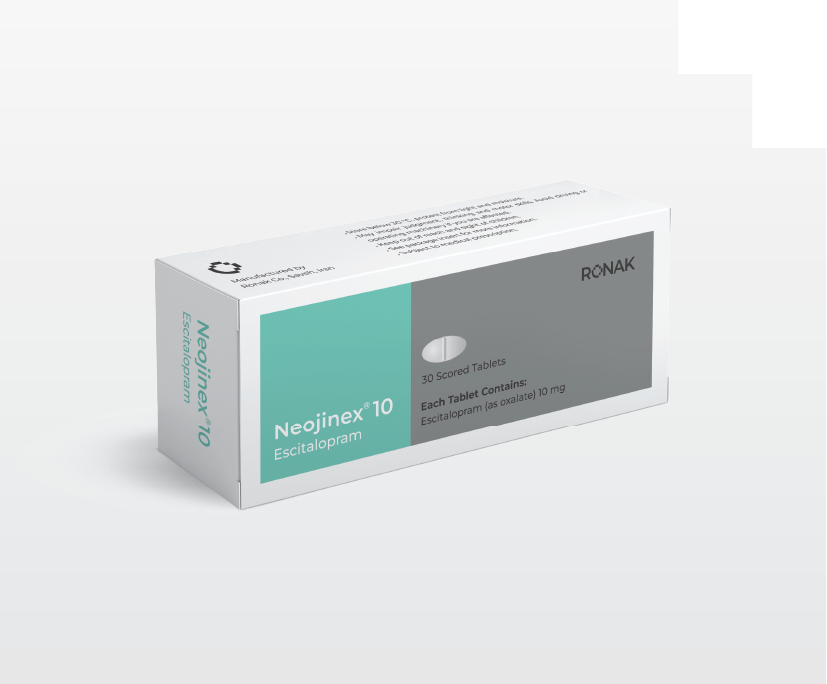
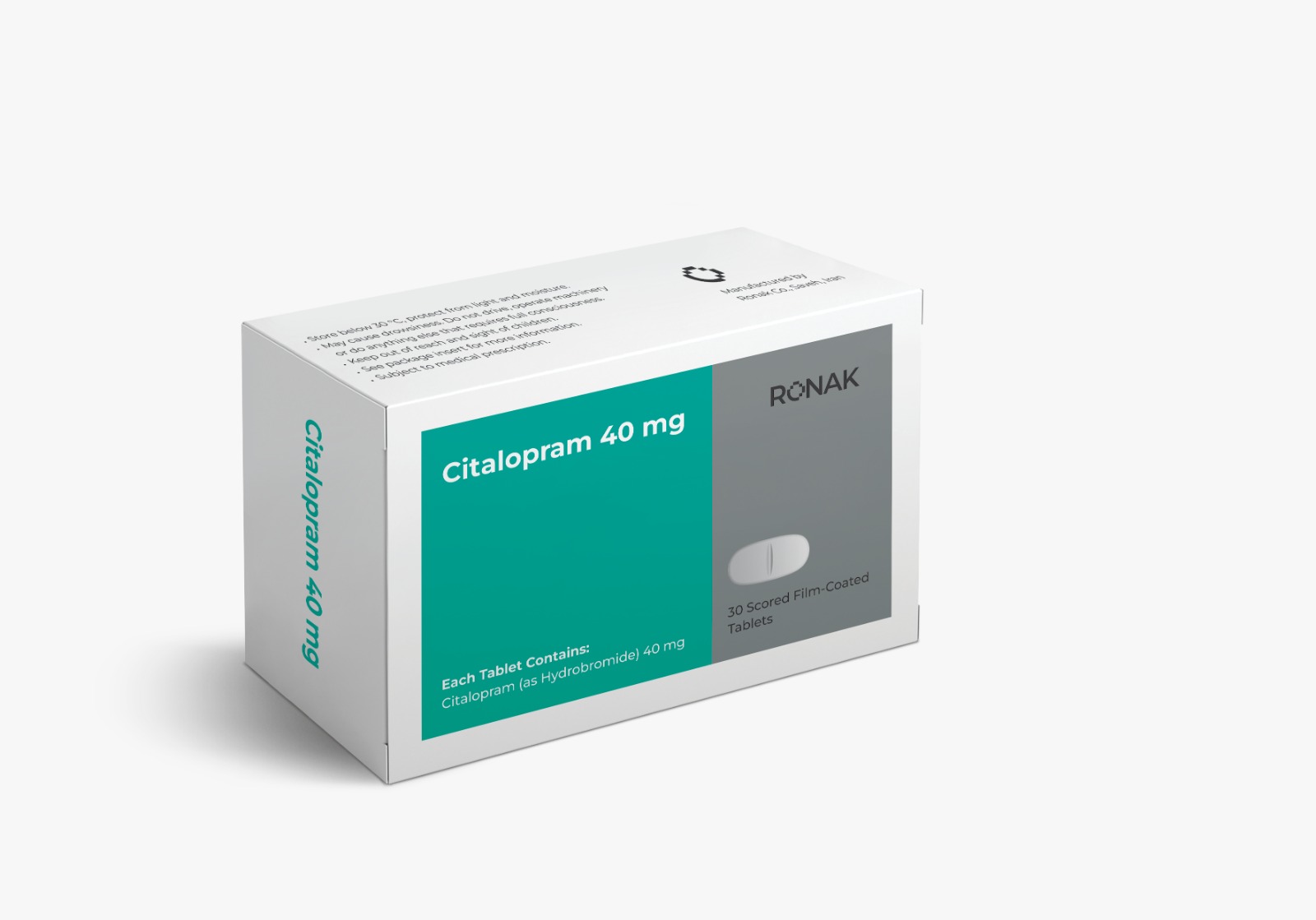
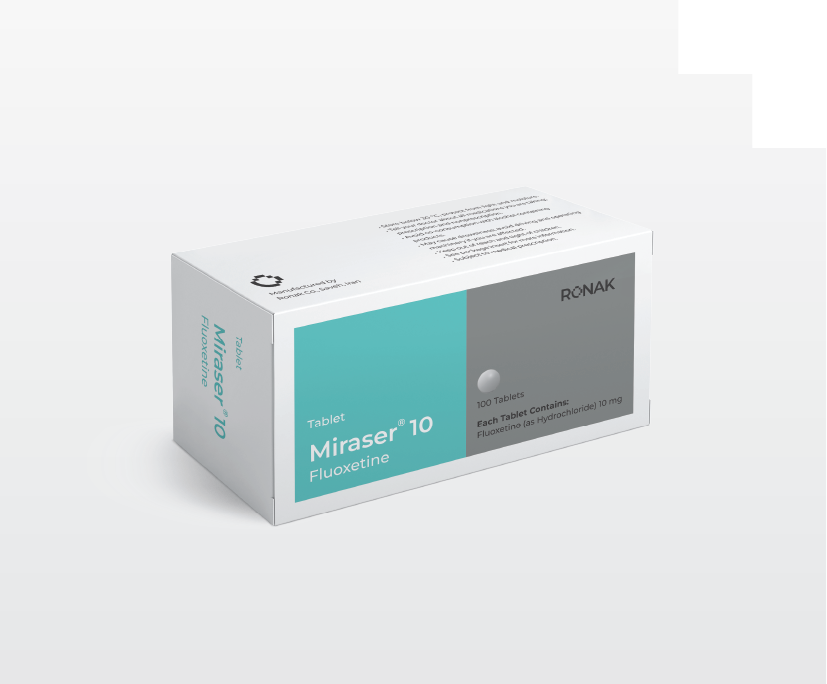
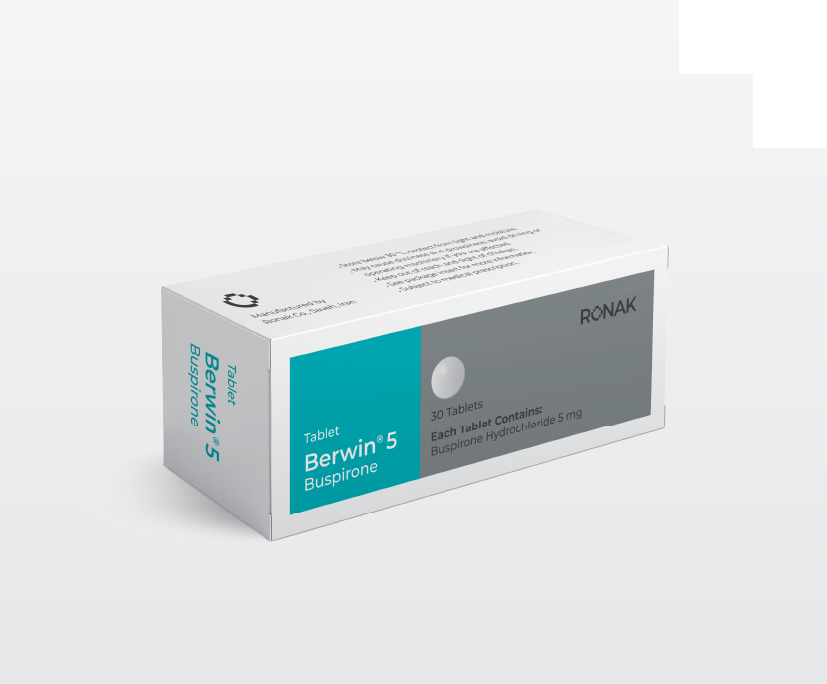
This category includes mental and behavioral disorders such as depression, anxiety, bipolar disorder, and psychosis. Psychiatric medications help improve the mental, mood, and behavioral functioning of patients.
This category includes medications used to control and treat disorders caused by abnormal immune system activity and inflammatory processes.
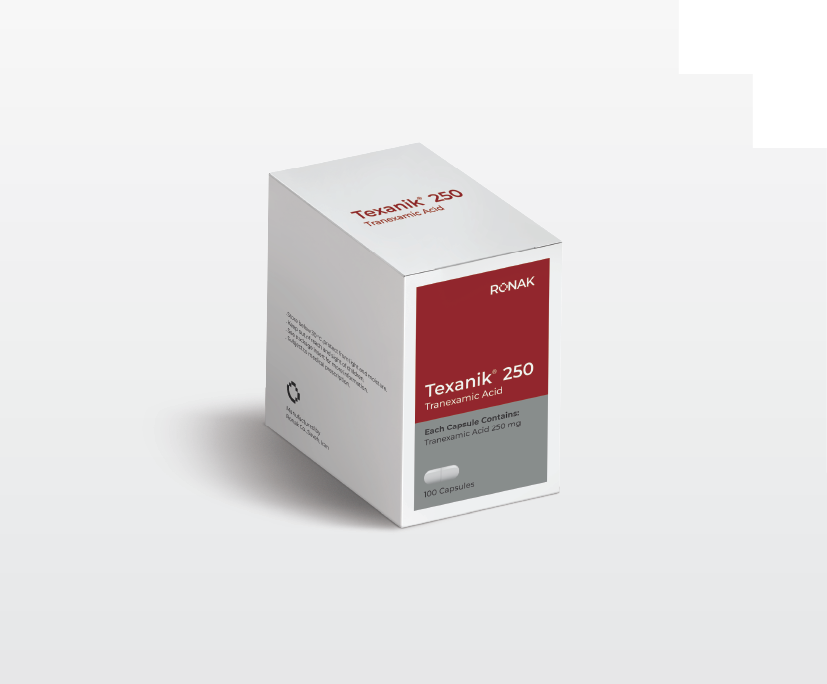
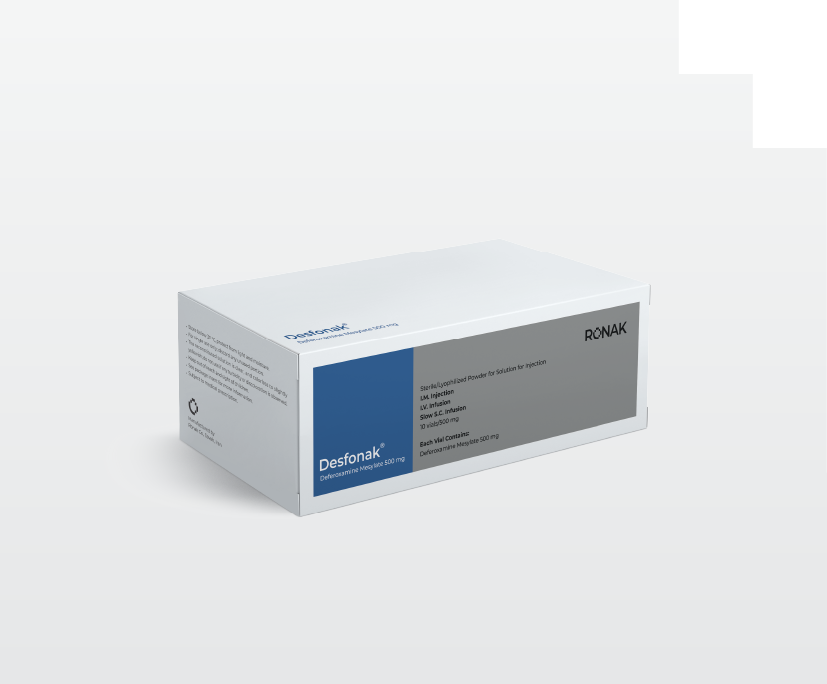
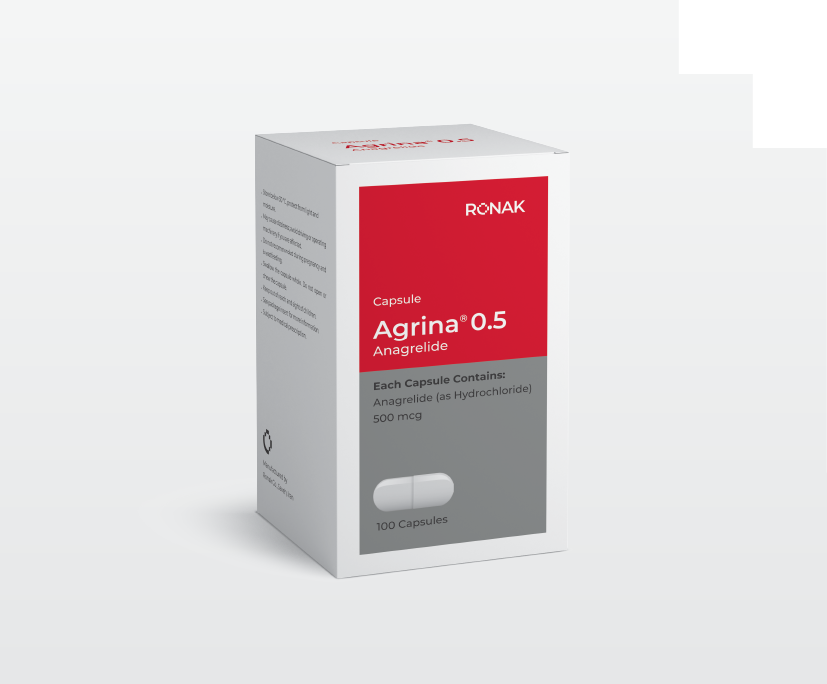
Oncology & Hematology Diseases refer to conditions that affect the blood, bone marrow, and various tissues of the body, including abnormal cell growth and cancers. This field encompasses a range of cancers, such as leukemia and lymphoma, as well as non-malignant hematologic disorders like thalassemia, anemia, and clotting disorders. Management of these diseases often requires specialized treatments, aimed at improving patient outcomes and quality of life.
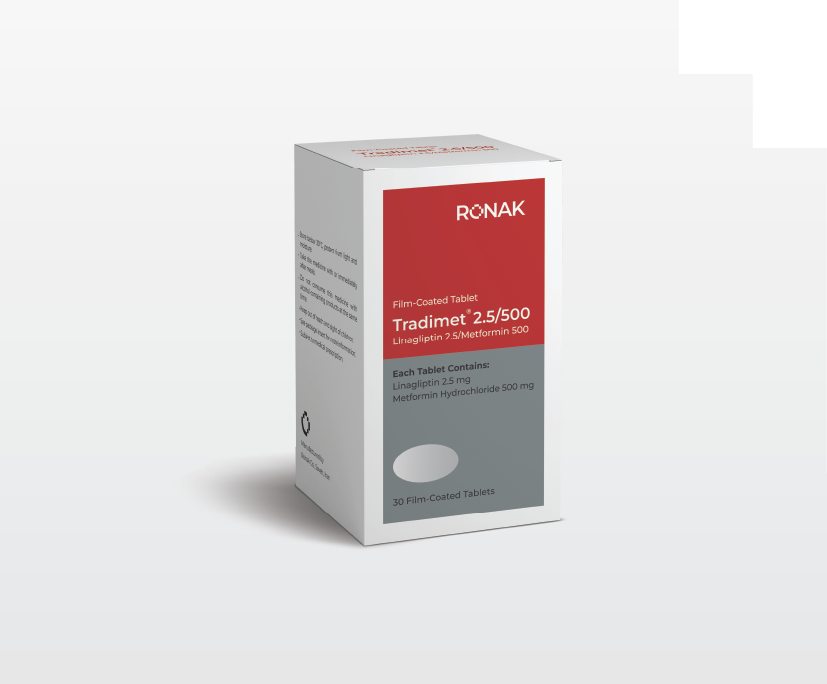
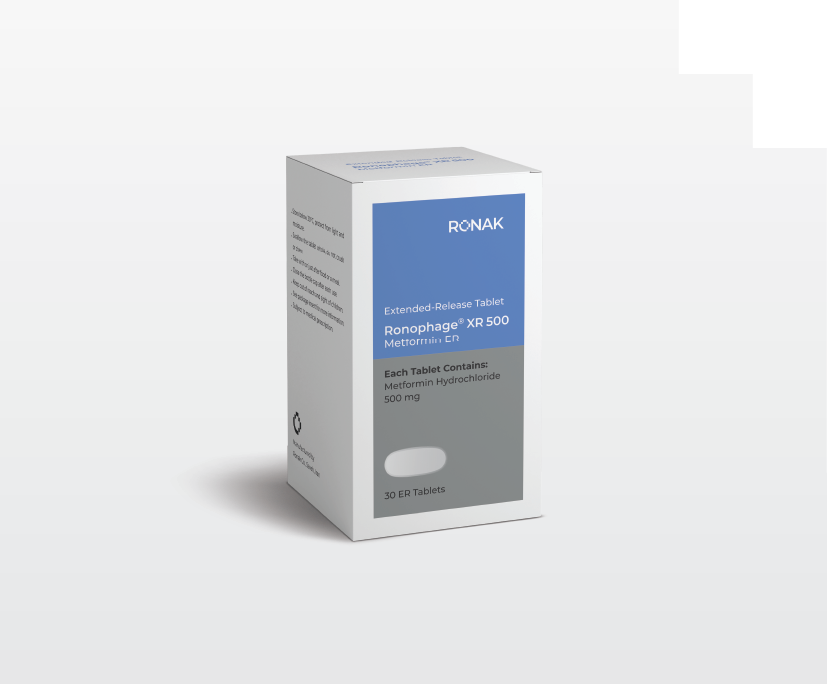
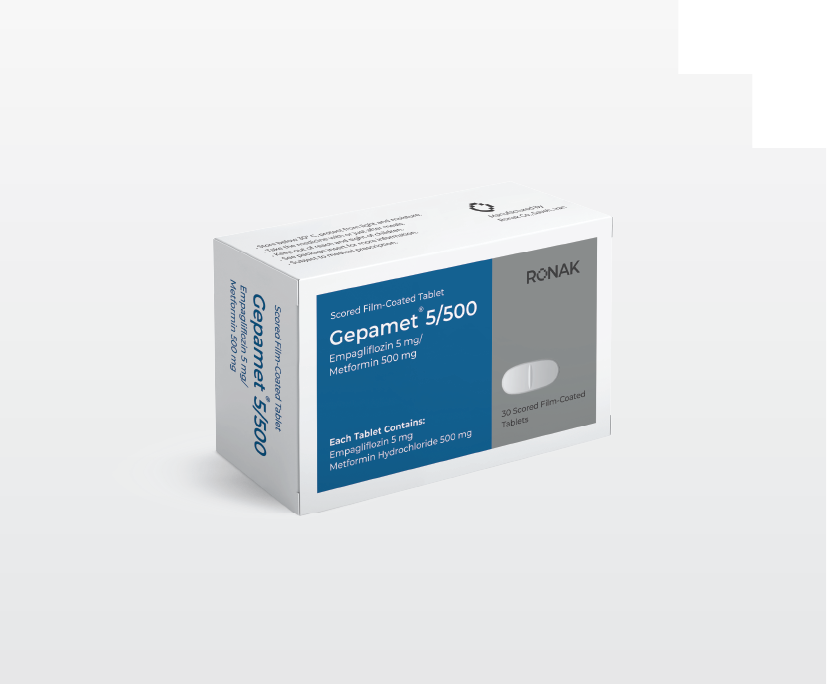
This category includes diseases related to the endocrine system and body metabolism such as diabetes and obesity. Medications in this group are used to regulate hormone levels and metabolism.
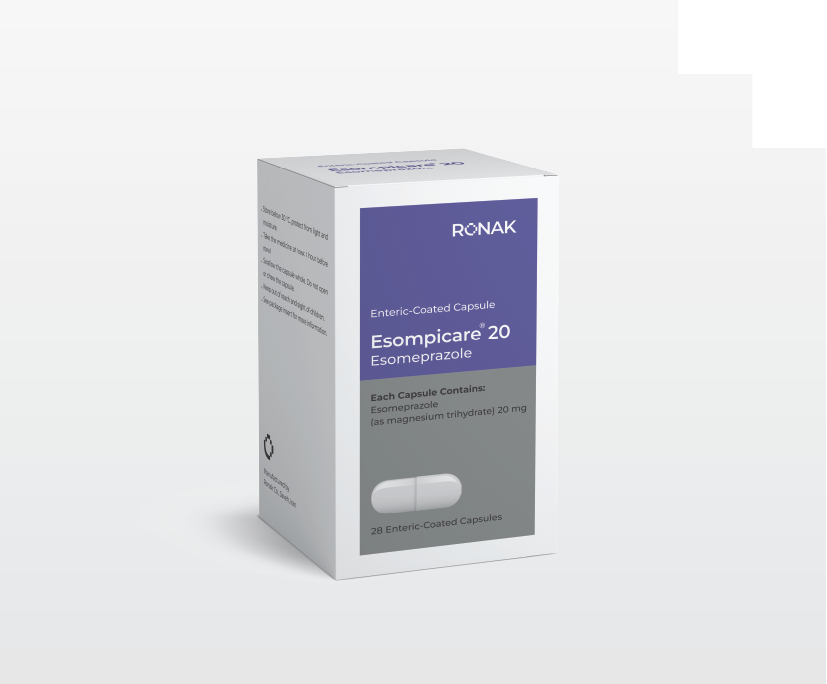
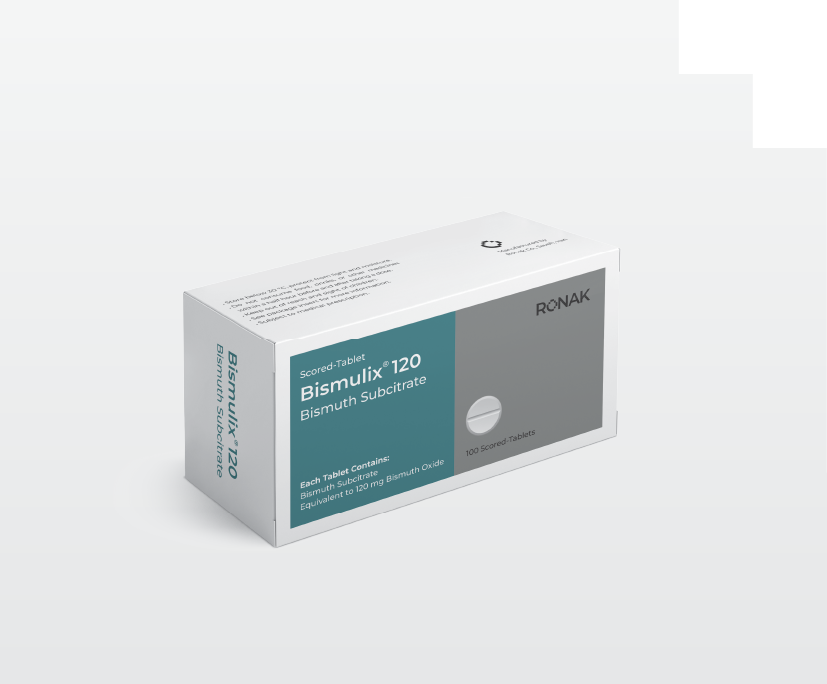
This category includes medications used to treat diseases and disorders of the gastrointestinal tract, such as acid reflux, stomach ulcers, intestinal infections, and other digestive problems.
This category includes medications used to treat joint diseases, bone conditions, and connective tissue disorders like arthritis and osteoporosis.
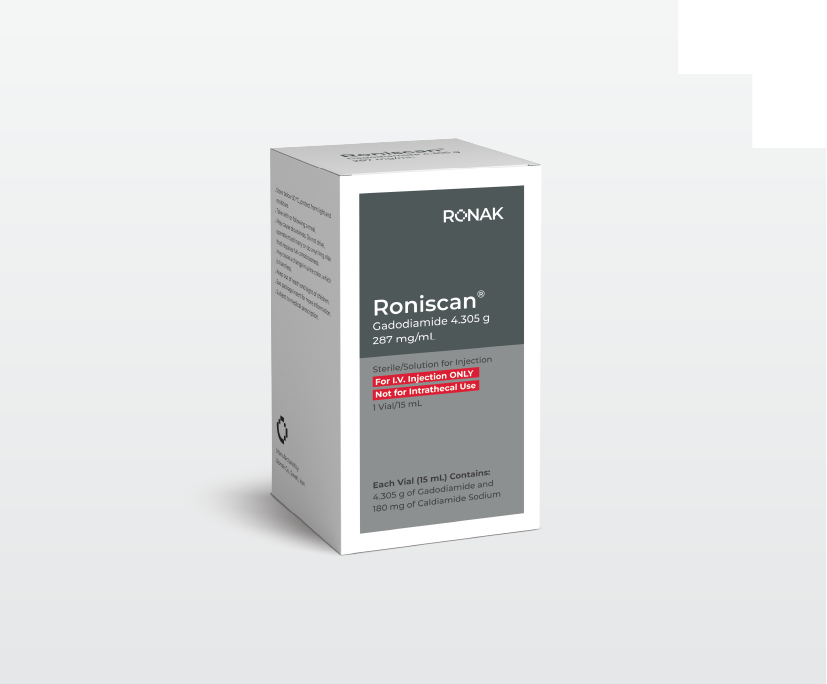
This category includes products and drugs used in medical imaging, precise disease diagnosis, and examination of organ functions.
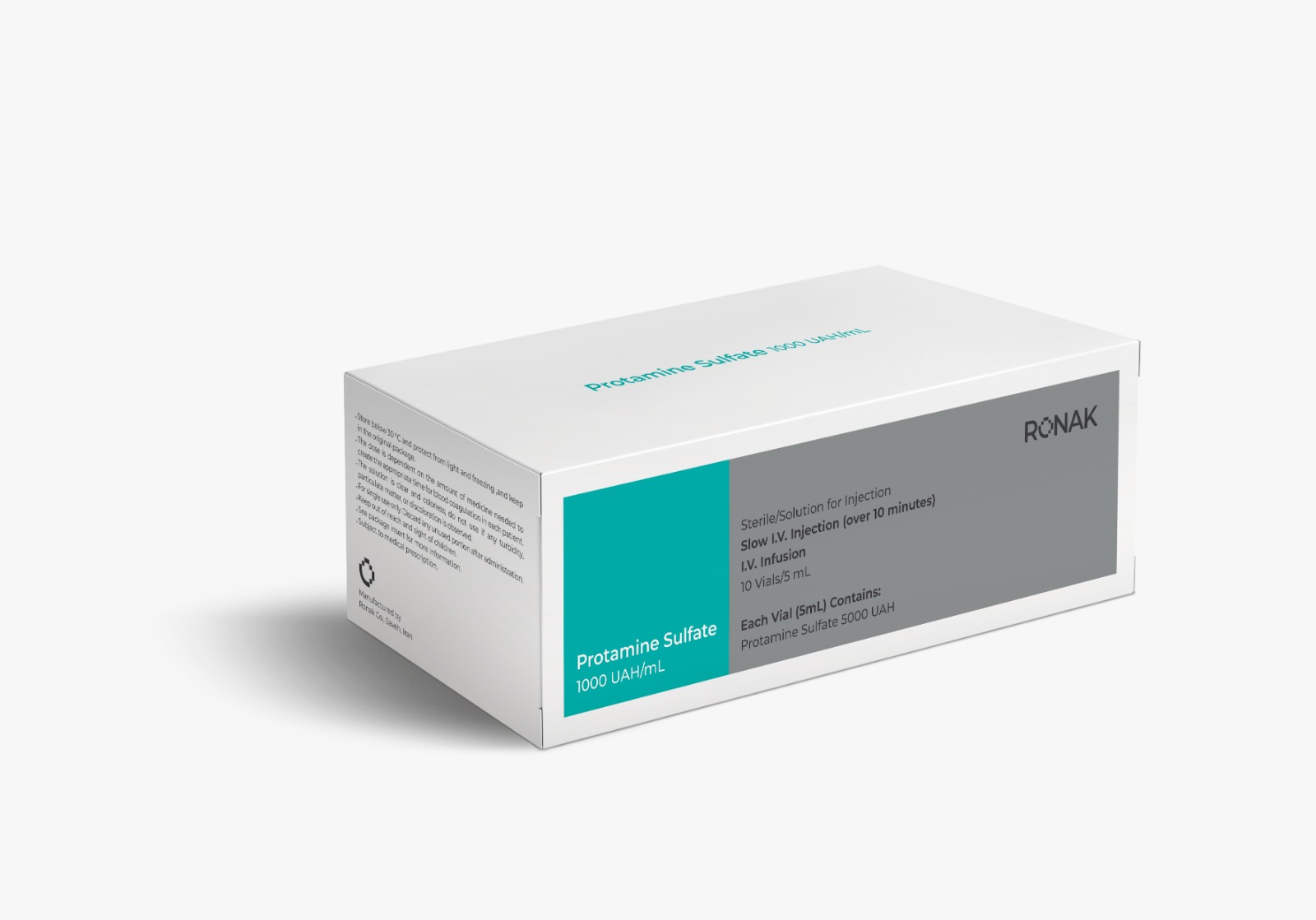
Protamine sulfate is a neutralizing drug used to reverse the effects of heparin after surgery or high-dose treatment.
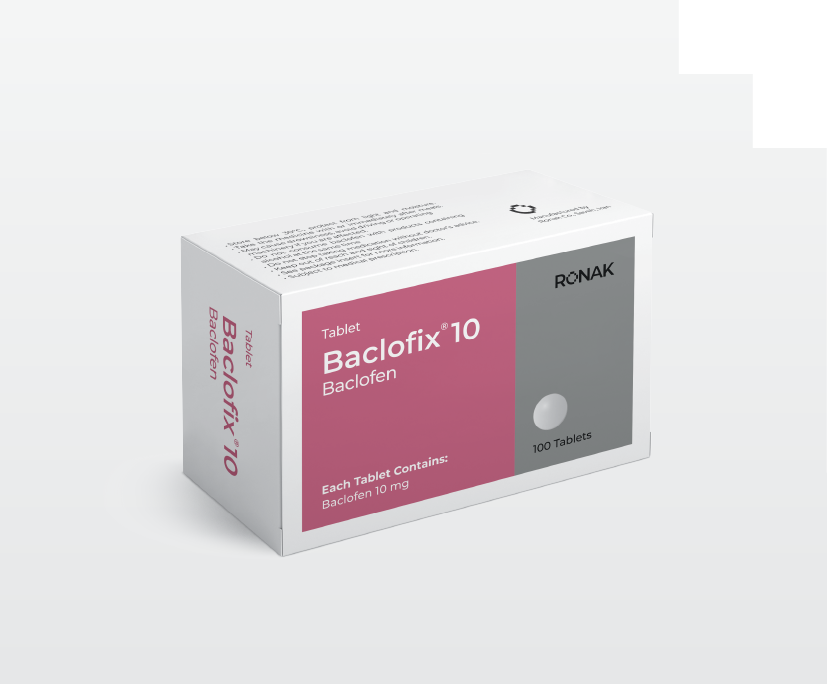
Medications for reducing muscle spasms and cramps.
A common mood disorder characterized by feelings of sadness and loss of interest
Disorders characterized by excessive and persistent feelings of anxiety.
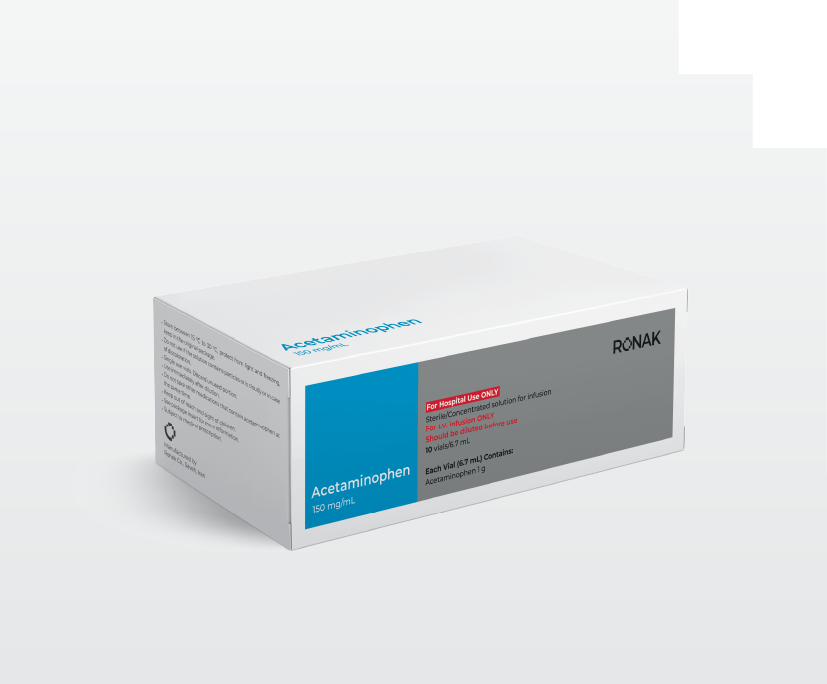
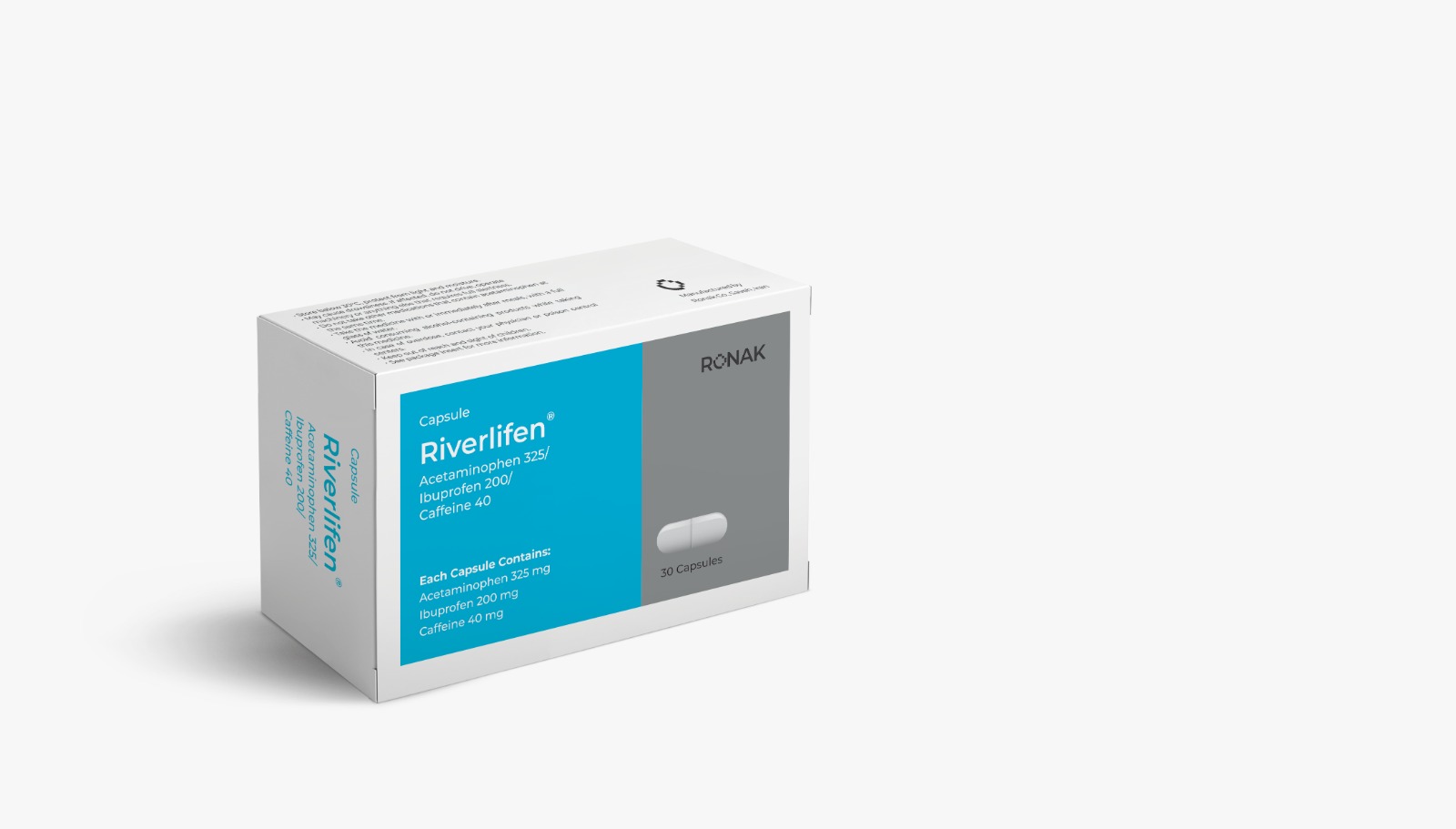
Medications for relieving mild to moderate pain without causing dependence.
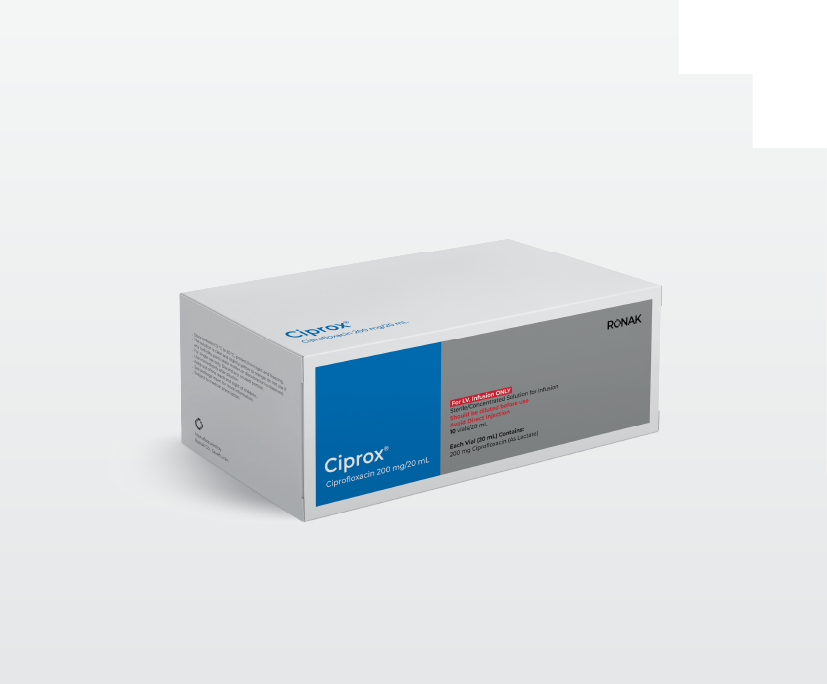
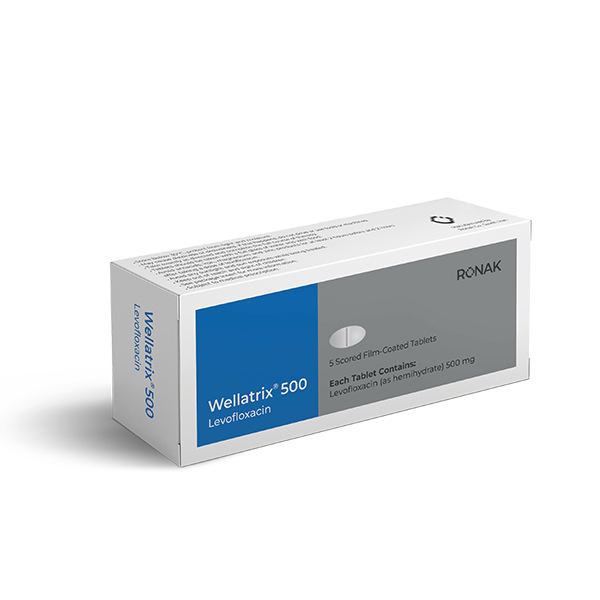
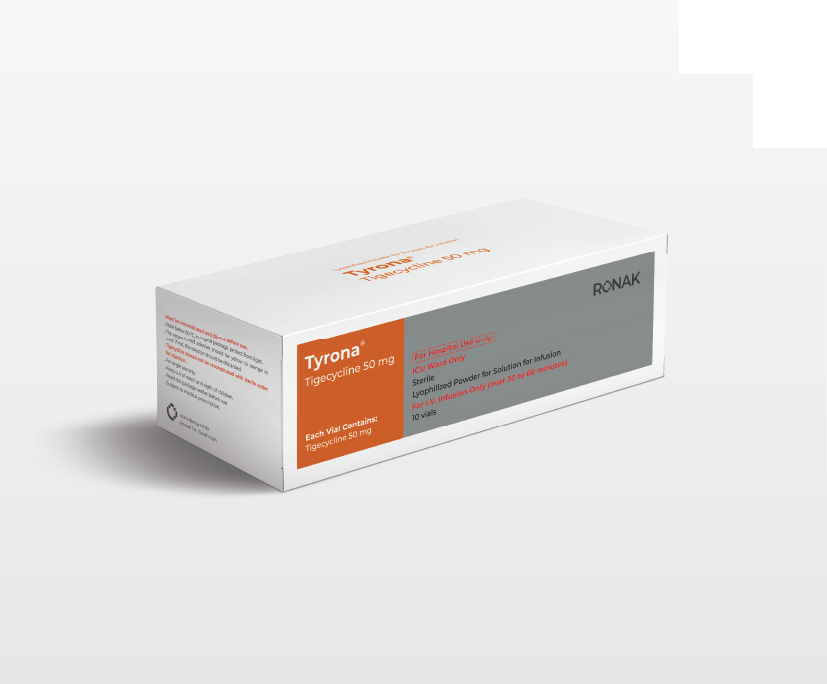
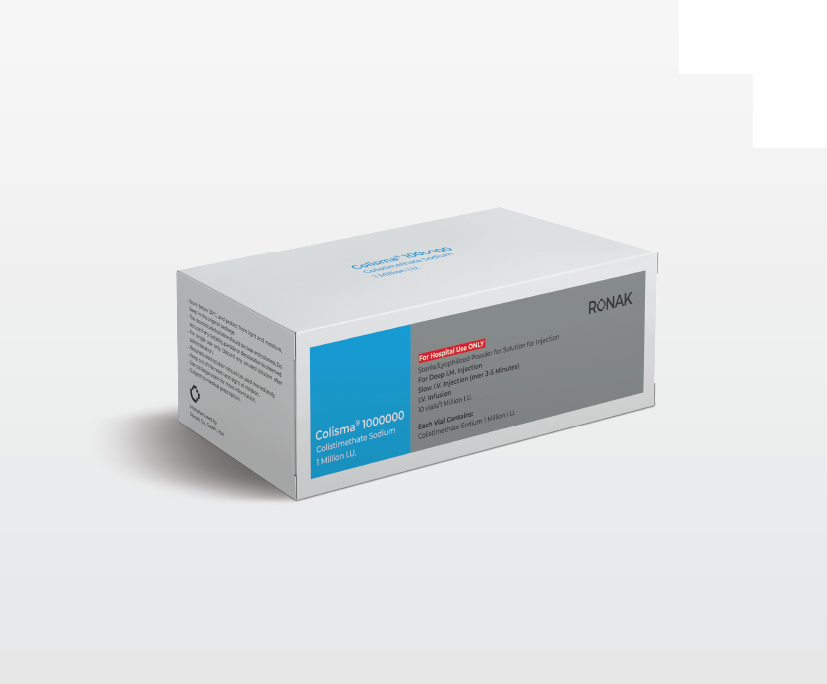
Medications for treating bacterial infections.
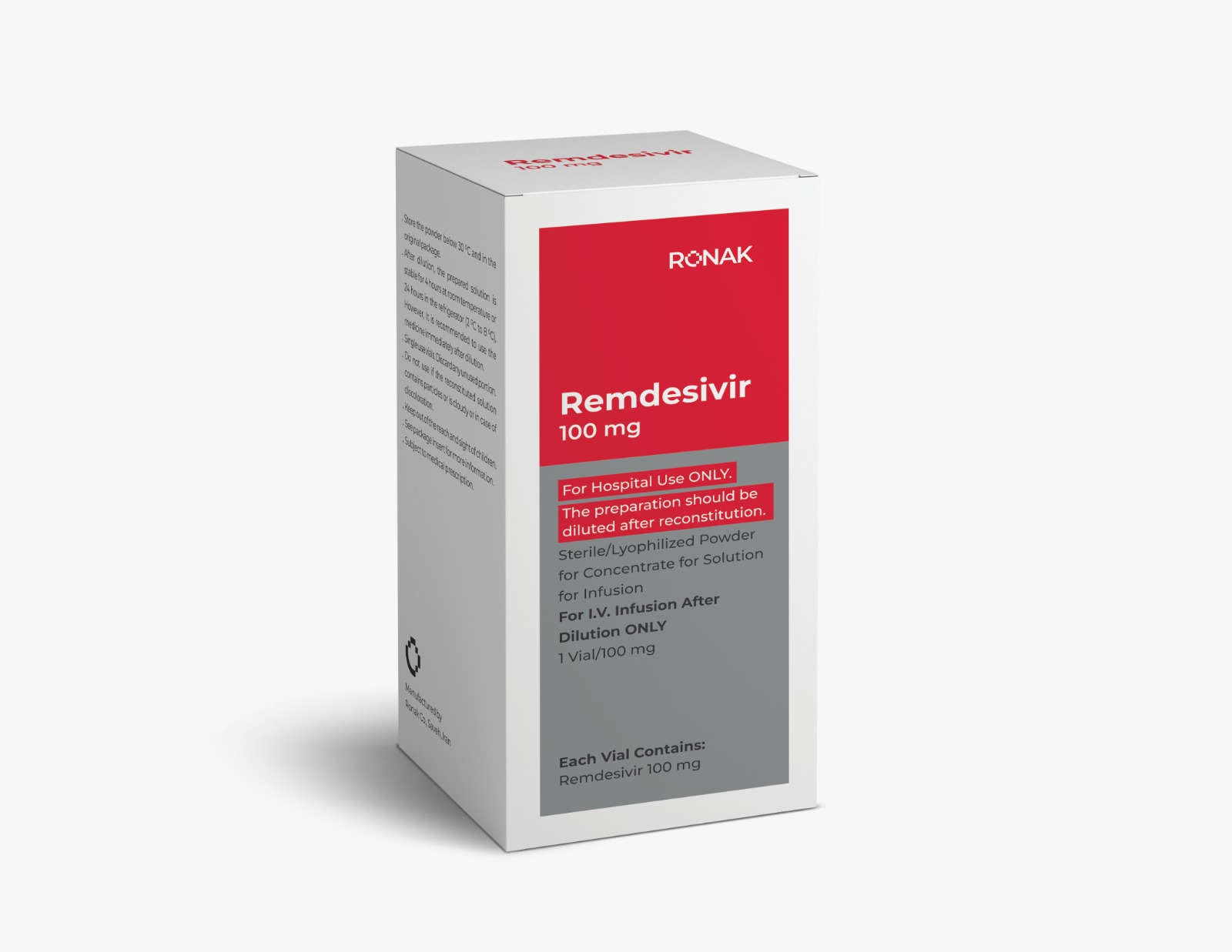
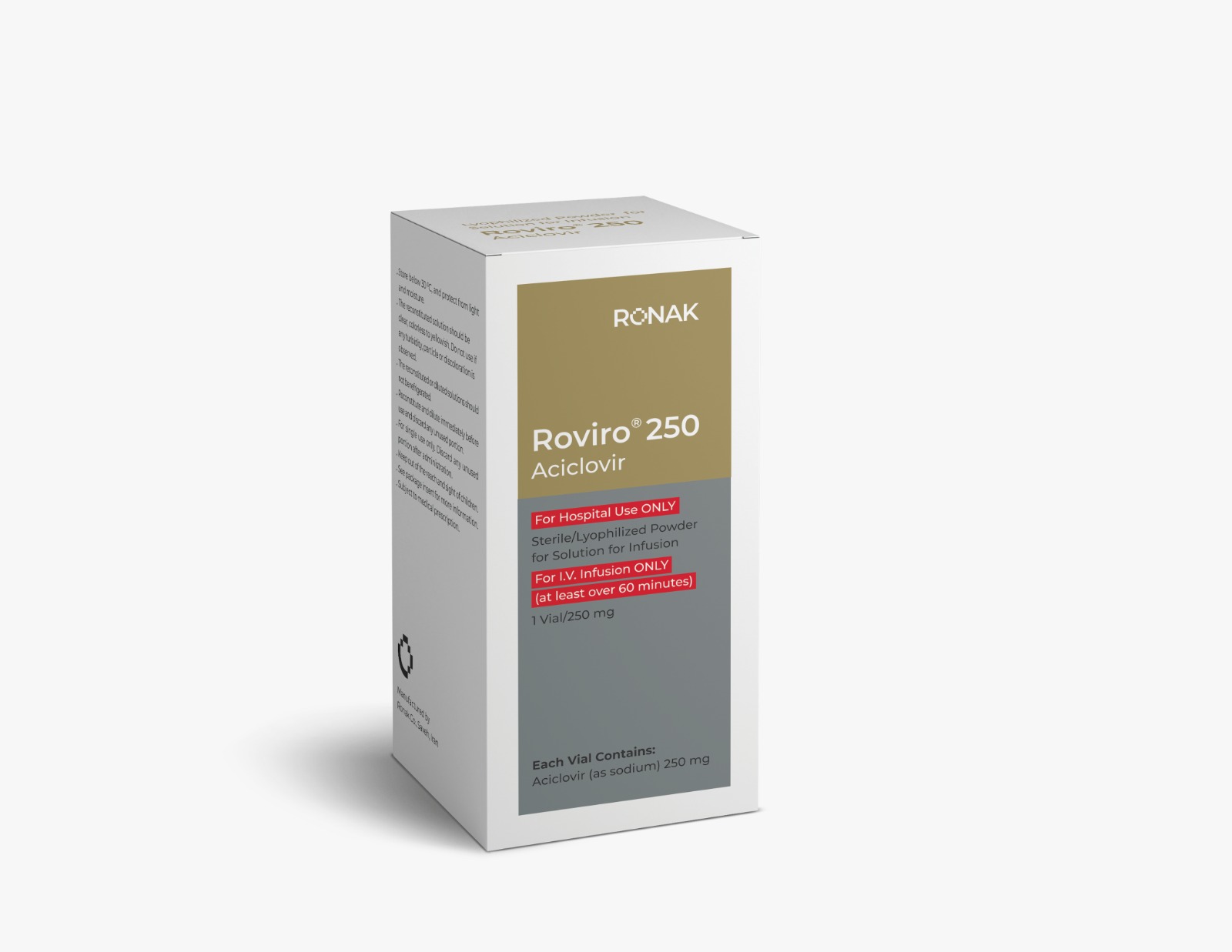
Drugs used to inhibit or treat viral infections.
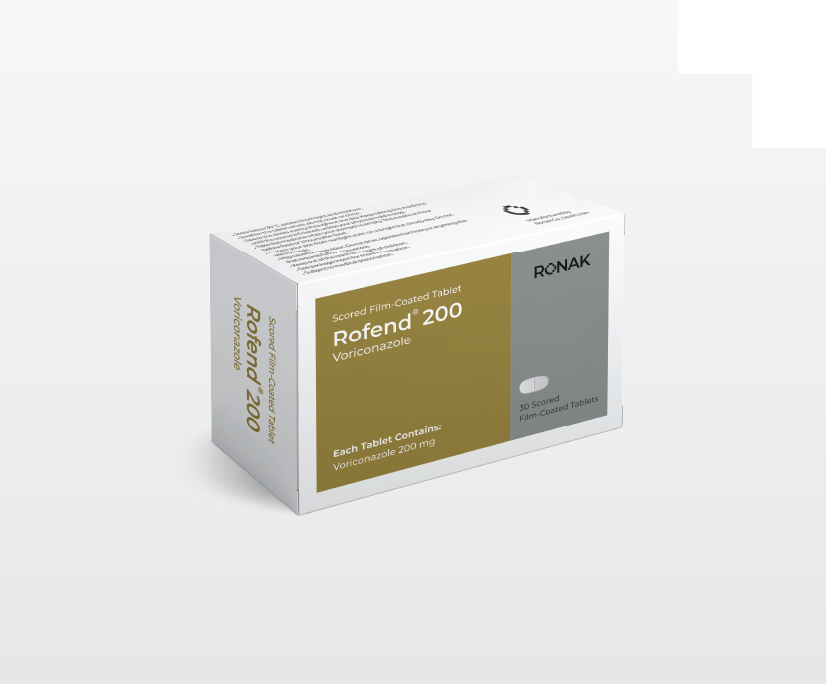
Medications for treating fungal infections of the skin or systemic.
A chronic metabolic disorder with elevated blood sugar levels.
A gradual impairment of kidney function that requires continuous monitoring and treatment
Bladder dysfunction due to nerve damage
Non-cancerous enlargement of the prostate gland that causes urinary symptoms.
Antibiotic
Coronary Artery Disease
Heart Failure
High Blood Pressure
This section covers diseases caused by abnormal electrical activity in the brain, leading to recurrent seizure attacks. You can learn about different types of epilepsy, their causes, symptoms, diagnostic methods, and treatment options. It also provides first aid tips during a seizure, medication management, lifestyle advice to reduce triggers, and the latest scientific advances for improving the quality of life of those affected by epilepsy.
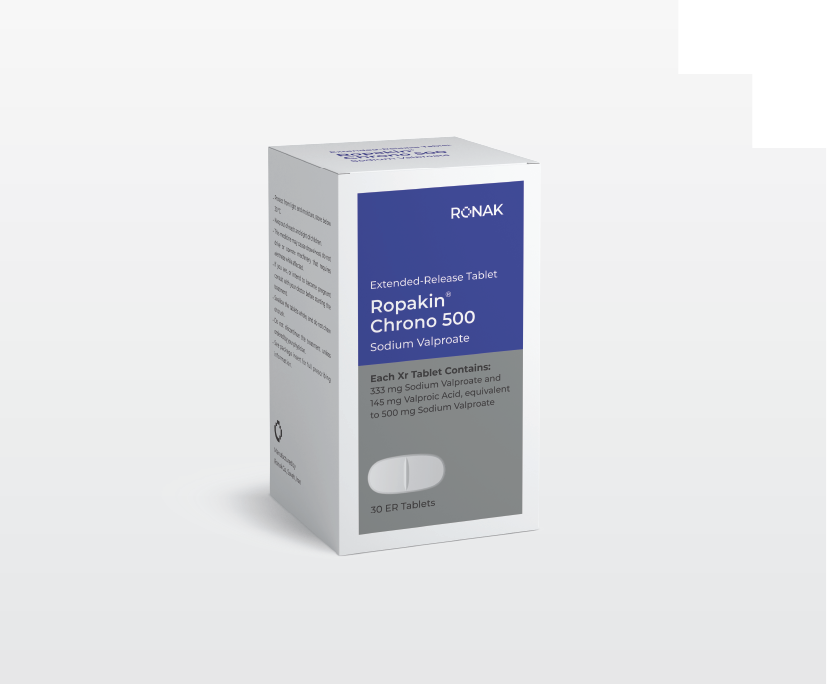
Epilepsy is a chronic neurological disorder characterized by recurrent seizures caused by abnormal electrical activity in the brain. Antiepileptic medications work through different mechanisms to stabilize neuronal activity, reduce seizure frequency, and support long-term seizure control. These treatments help patients achieve better stability and improved daily functioning.
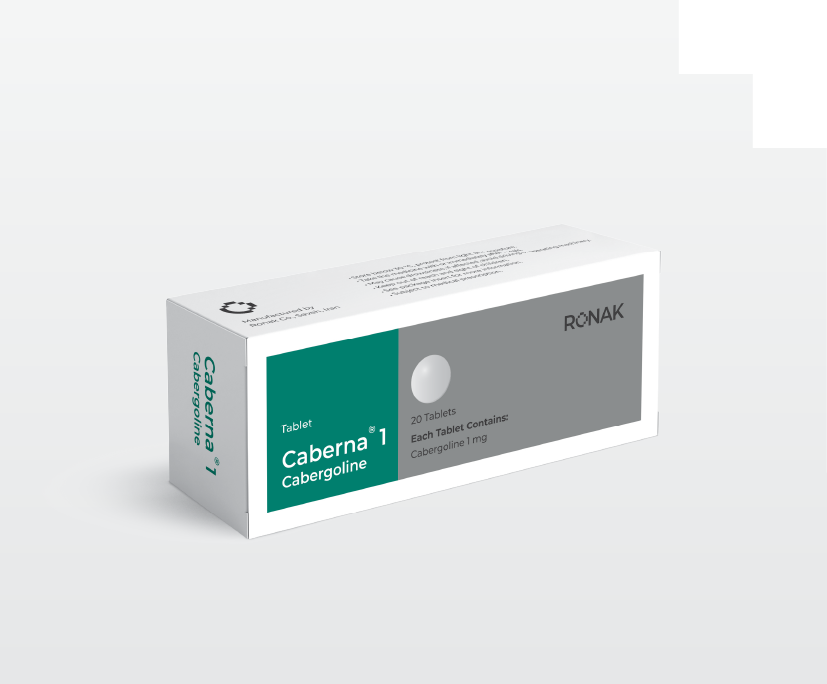
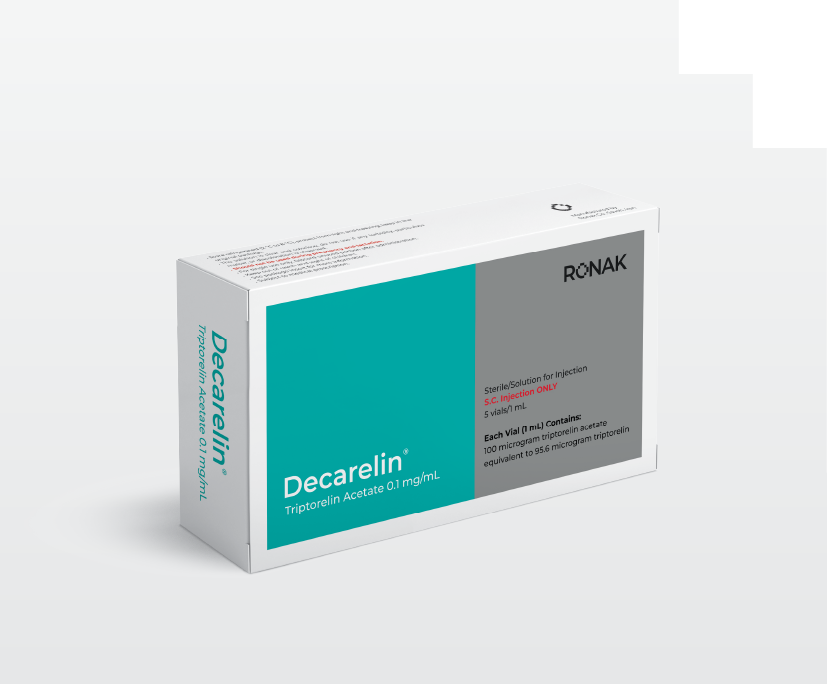
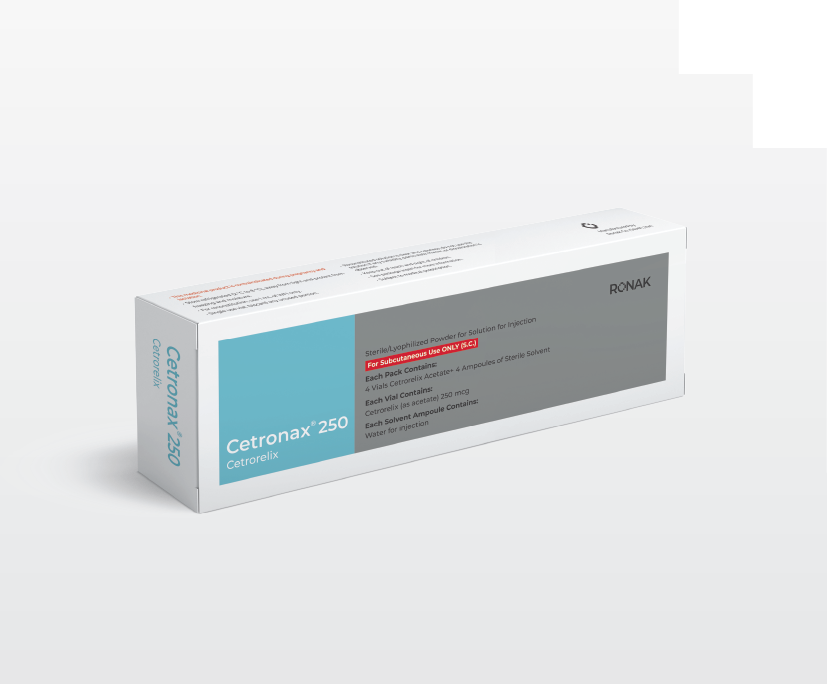
"Reproductive Health & Fertility refers to the ability to conceive and sustain a healthy pregnancy. This field encompasses a wide range of conditions and factors that influence reproductive health in both men and women. It includes hormonal imbalances, ovulatory disorders, sperm abnormalities, and structural issues affecting the reproductive organs. Fertility medicine focuses on managing these conditions through advanced treatments such as ovulation induction, and assisted reproductive technologies (ART) to help individuals and couples achieve successful conception and parenthood. "