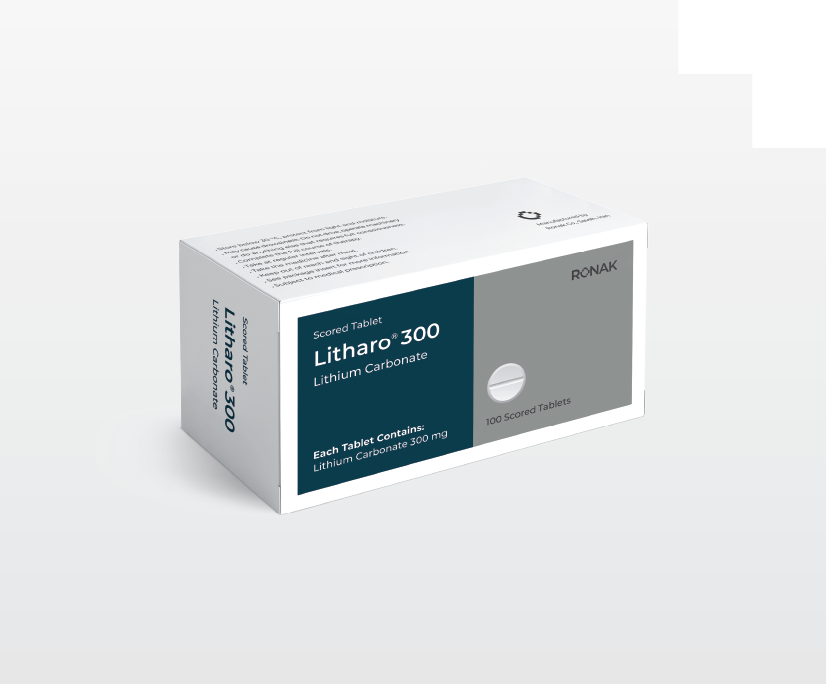





®ليثارو
ليثارو®
الاسم العلمي: كربونات الليثيوم
الشكل الدوائي: أقراص مقسومة، 300 مجم
الفئة الدوائية: مثبت للمزاج
دواعي الاستعمال:
يُستخدم ليثارو® لعلاج نوبات الهوس الحاد ونوبات الهوس الخفيف لدى المرضى المصابين باضطراب ثنائي القطب والاكتئاب.
نظرة عامة على ليثارو®:
ليثارو® (كربونات الليثيوم) هو مثبت للمزاج يساعد على استقرار الحالة المزاجية من خلال التأثير على الإشارات العصبية ووظيفة النواقل العصبية، بما في ذلك السيروتونين والدوبامين والنورإبينفرين.
دواعي استعمال ليثارو®:
-
الهوس الحاد، النوبات الحادة ذات السمات المختلطة، الهوس الخفيف الحاد، والاكتئاب ثنائي القطب الحاد لدى المرضى فوق 7 سنوات
-
العلاج الوقائي لتقليل نوبات الهوس والاكتئاب لدى مرضى الاضطراب ثنائي القطب فوق 7 سنوات
-
اضطراب الاكتئاب الجسيم أحادي القطب
-
اضطرابات المزاج بعد الولادة
-
الوقاية من الصداع العنقودي
الأشكال الدوائية لليثارو®:
-
أقراص مقسومة: 300 مجم
طريقة الاستعمال والجرعة:
-
يُؤخذ الدواء تماماً حسب وصف الطبيب.
-
في حال عدم التأكد من طريقة الاستخدام، يجب استشارة الطبيب أو الصيدلي.
-
يُؤخذ مع كوب كامل من الماء ومع الطعام لتقليل الأعراض الهضمية.
-
لا تُسحق الأقراص ولا تُـمضغ.
-
يجب الحفاظ على تناول كافٍ من الملح والسوائل.
في حال نسيان الجرعة:
-
تُؤخذ الجرعة المنسية فور تذكرها.
-
إذا كان موعد الجرعة التالية قريباً، تُترك الجرعة المنسية.
-
لا تُضاعف الجرعة.
في حال الجرعة الزائدة:
قد تحدث سمّية الليثيوم حتى عند جرعات قريبة من المجال العلاجي.
في حال ظهور أي من الأعراض التالية، يجب إيقاف الدواء فوراً ومراجعة الطبيب:
-
إسهال وقيء
-
رجفان، ضعف التناسق العضلي، دوار، ضعف العضلات
-
دوخة، عدم ثبات المشي، تداخل أو ثقل الكلام
-
تشنجات عضلية أو نوبات صرع
المتابعة المطلوبة أثناء العلاج بكربونات الليثيوم:
قبل بدء العلاج وأثناءه، قد يراقب الطبيب ما يلي:
-
تعداد الدم الكامل (CBC)
-
مستويات الليثيوم في الدم
-
علامات سمّية الليثيوم
-
وظائف الكلى
-
مستويات الكالسيوم وأعراض فرط كالسيوم الدم
-
الشوارد (الصوديوم والبوتاسيوم)
-
مستويات هرمونات الغدة الدرقية
-
مستويات هرمون جار الدرقية
-
اختبار الحمل
-
تخطيط القلب (ECG)
-
توازن السوائل
-
وزن الجسم
-
علامات العطش الشديد أو زيادة التبول
موانع الاستعمال:
-
فرط الحساسية لليثيوم أو لأي من مكونات المستحضر
-
أمراض القلب والأوعية الدموية الشديدة
-
أمراض الكلى
-
المرضى الضعفاء أو المنهكون
-
الجفاف
-
انخفاض مستوى الصوديوم في الدم
-
الاستخدام المتزامن للمدرات البولية
-
إصابات الدماغ
التحذيرات والاحتياطات:
-
قد يُخفض الليثيوم مستويات الصوديوم؛ يجب الحفاظ على نظام غذائي يحتوي على كمية كافية من الملح وشرب 2.5–3 لترات من الماء يومياً.
-
اطلب المساعدة الطبية فوراً في حال حدوث تشوش أو ازدواج الرؤية، صداع شديد، ضغط خلف العينين، طنين الأذن، أو تغيرات مفاجئة في الرؤية.
-
أبلغ الطبيب فوراً عن أي تغير في الوعي، خفقان القلب، عدم استقرار ضغط الدم، ضعف، دوار، تعرق، هبات ساخنة أو حمى.
-
راجع الطبيب في حال حدوث تصلب عضلي، رجفان، ارتعاشات، فقدان التناسق أو نوبات.
-
يجب إبلاغ الطبيب بجميع الأدوية المستخدمة لتجنب التداخلات الدوائية.
-
يجب على مرضى القلب، الوهن العضلي الوبيل، أو من خضعوا لجراحات السمنة إبلاغ الطبيب.
-
قد يسبب الليثيوم النعاس؛ تجنب القيادة أو تشغيل الآلات عند تأثر التركيز.
استخدام كربونات الليثيوم أثناء الحمل والرضاعة:
-
يجب استخدام الليثيوم أثناء الحمل والرضاعة تحت إشراف طبي متخصص.
-
يجب استشارة الطبيب عند التخطيط للحمل، ويُفضل تجنب الليثيوم في الثلث الأول لتقليل خطر التشوهات القلبية.
-
في حال استخدامه لعلاج الاضطراب ثنائي القطب أثناء الحمل، تُستخدم أقل جرعة فعالة مع مراقبة منتظمة لمستويات الليثيوم.
-
في علاج الاكتئاب أثناء الحمل، يجب مناقشة التعديلات العلاجية مع الطبيب.
-
يجب إيقاف الليثيوم قبل الولادة بـ 48–72 ساعة.
-
يُفرز الليثيوم في حليب الأم؛ في حال ظهور علامات سمّية لدى الرضيع، يجب إيقاف الرضاعة فوراً ومراجعة الطبيب.
الآثار الجانبية المحتملة:
-
عطش مفرط أو زيادة التبول
-
انخفاض صوديوم الدم
-
دوار، رجفان، ضعف التناسق، نعاس، تعب، صداع، وهن
-
اضطرابات نظم القلب
-
مشاكل جلدية: تساقط الشعر، حب الشباب، الحكة، تفاقم الصدفية
-
اضطرابات هضمية: غثيان، قيء، إسهال، عسر هضم، زيادة إفراز اللعاب، تغير التذوق
-
اضطرابات جنسية
-
قصور أو فرط نشاط الغدة الدرقية
-
فرط كالسيوم الدم وفرط نشاط جار الدرقية
-
زيادة الوزن
التداخلات الدوائية:
يجب استشارة الطبيب أو الصيدلي قبل تناول الليثيوم مع أي أدوية أو مكملات.
التعبئة:
تحتوي العبوة على 100 قرص مقسوم
(10 شرائط × 10 أقراص)
شروط التخزين:
-
يُحفظ تحت 30 درجة مئوية
-
بعيداً عن الضوء والرطوبة
-
يُحفظ بعيداً عن متناول الأطفال
-
يُستخدم قبل شهر الانتهاء المدون على العبوة
-
يُحفظ في العبوة الأصلية حتى وقت الاستخدام
المراجع:
-
الليثيوم – UpToDate، 2025
-
Medicines.org.uk – Lithium
ليثارو®
الاسم العلمي: كربونات الليثيوم
الشكل الدوائي: أقراص مقسومة، 300 مجم
الفئة الدوائية: مثبت للمزاج
دواعي الاستعمال:
يُستخدم ليثارو® لعلاج نوبات الهوس الحاد ونوبات الهوس الخفيف لدى المرضى المصابين باضطراب ثنائي القطب والاكتئاب.
نظرة عامة على ليثارو®:
ليثارو® (كربونات الليثيوم) هو مثبت للمزاج يساعد على استقرار الحالة المزاجية من خلال التأثير على الإشارات العصبية ووظيفة النواقل العصبية، بما في ذلك السيروتونين والدوبامين والنورإبينفرين.
دواعي استعمال ليثارو®:
-
الهوس الحاد، النوبات الحادة ذات السمات المختلطة، الهوس الخفيف الحاد، والاكتئاب ثنائي القطب الحاد لدى المرضى فوق 7 سنوات
-
العلاج الوقائي لتقليل نوبات الهوس والاكتئاب لدى مرضى الاضطراب ثنائي القطب فوق 7 سنوات
-
اضطراب الاكتئاب الجسيم أحادي القطب
-
اضطرابات المزاج بعد الولادة
-
الوقاية من الصداع العنقودي
الأشكال الدوائية لليثارو®:
-
أقراص مقسومة: 300 مجم
طريقة الاستعمال والجرعة:
-
يُؤخذ الدواء تماماً حسب وصف الطبيب.
-
في حال عدم التأكد من طريقة الاستخدام، يجب استشارة الطبيب أو الصيدلي.
-
يُؤخذ مع كوب كامل من الماء ومع الطعام لتقليل الأعراض الهضمية.
-
لا تُسحق الأقراص ولا تُـمضغ.
-
يجب الحفاظ على تناول كافٍ من الملح والسوائل.
في حال نسيان الجرعة:
-
تُؤخذ الجرعة المنسية فور تذكرها.
-
إذا كان موعد الجرعة التالية قريباً، تُترك الجرعة المنسية.
-
لا تُضاعف الجرعة.
في حال الجرعة الزائدة:
قد تحدث سمّية الليثيوم حتى عند جرعات قريبة من المجال العلاجي.
في حال ظهور أي من الأعراض التالية، يجب إيقاف الدواء فوراً ومراجعة الطبيب:
-
إسهال وقيء
-
رجفان، ضعف التناسق العضلي، دوار، ضعف العضلات
-
دوخة، عدم ثبات المشي، تداخل أو ثقل الكلام
-
تشنجات عضلية أو نوبات صرع
المتابعة المطلوبة أثناء العلاج بكربونات الليثيوم:
قبل بدء العلاج وأثناءه، قد يراقب الطبيب ما يلي:
-
تعداد الدم الكامل (CBC)
-
مستويات الليثيوم في الدم
-
علامات سمّية الليثيوم
-
وظائف الكلى
-
مستويات الكالسيوم وأعراض فرط كالسيوم الدم
-
الشوارد (الصوديوم والبوتاسيوم)
-
مستويات هرمونات الغدة الدرقية
-
مستويات هرمون جار الدرقية
-
اختبار الحمل
-
تخطيط القلب (ECG)
-
توازن السوائل
-
وزن الجسم
-
علامات العطش الشديد أو زيادة التبول
موانع الاستعمال:
-
فرط الحساسية لليثيوم أو لأي من مكونات المستحضر
-
أمراض القلب والأوعية الدموية الشديدة
-
أمراض الكلى
-
المرضى الضعفاء أو المنهكون
-
الجفاف
-
انخفاض مستوى الصوديوم في الدم
-
الاستخدام المتزامن للمدرات البولية
-
إصابات الدماغ
التحذيرات والاحتياطات:
-
قد يُخفض الليثيوم مستويات الصوديوم؛ يجب الحفاظ على نظام غذائي يحتوي على كمية كافية من الملح وشرب 2.5–3 لترات من الماء يومياً.
-
اطلب المساعدة الطبية فوراً في حال حدوث تشوش أو ازدواج الرؤية، صداع شديد، ضغط خلف العينين، طنين الأذن، أو تغيرات مفاجئة في الرؤية.
-
أبلغ الطبيب فوراً عن أي تغير في الوعي، خفقان القلب، عدم استقرار ضغط الدم، ضعف، دوار، تعرق، هبات ساخنة أو حمى.
-
راجع الطبيب في حال حدوث تصلب عضلي، رجفان، ارتعاشات، فقدان التناسق أو نوبات.
-
يجب إبلاغ الطبيب بجميع الأدوية المستخدمة لتجنب التداخلات الدوائية.
-
يجب على مرضى القلب، الوهن العضلي الوبيل، أو من خضعوا لجراحات السمنة إبلاغ الطبيب.
-
قد يسبب الليثيوم النعاس؛ تجنب القيادة أو تشغيل الآلات عند تأثر التركيز.
استخدام كربونات الليثيوم أثناء الحمل والرضاعة:
-
يجب استخدام الليثيوم أثناء الحمل والرضاعة تحت إشراف طبي متخصص.
-
يجب استشارة الطبيب عند التخطيط للحمل، ويُفضل تجنب الليثيوم في الثلث الأول لتقليل خطر التشوهات القلبية.
-
في حال استخدامه لعلاج الاضطراب ثنائي القطب أثناء الحمل، تُستخدم أقل جرعة فعالة مع مراقبة منتظمة لمستويات الليثيوم.
-
في علاج الاكتئاب أثناء الحمل، يجب مناقشة التعديلات العلاجية مع الطبيب.
-
يجب إيقاف الليثيوم قبل الولادة بـ 48–72 ساعة.
-
يُفرز الليثيوم في حليب الأم؛ في حال ظهور علامات سمّية لدى الرضيع، يجب إيقاف الرضاعة فوراً ومراجعة الطبيب.
الآثار الجانبية المحتملة:
-
عطش مفرط أو زيادة التبول
-
انخفاض صوديوم الدم
-
دوار، رجفان، ضعف التناسق، نعاس، تعب، صداع، وهن
-
اضطرابات نظم القلب
-
مشاكل جلدية: تساقط الشعر، حب الشباب، الحكة، تفاقم الصدفية
-
اضطرابات هضمية: غثيان، قيء، إسهال، عسر هضم، زيادة إفراز اللعاب، تغير التذوق
-
اضطرابات جنسية
-
قصور أو فرط نشاط الغدة الدرقية
-
فرط كالسيوم الدم وفرط نشاط جار الدرقية
-
زيادة الوزن
التداخلات الدوائية:
يجب استشارة الطبيب أو الصيدلي قبل تناول الليثيوم مع أي أدوية أو مكملات.
التعبئة:
تحتوي العبوة على 100 قرص مقسوم
(10 شرائط × 10 أقراص)
شروط التخزين:
-
يُحفظ تحت 30 درجة مئوية
-
بعيداً عن الضوء والرطوبة
-
يُحفظ بعيداً عن متناول الأطفال
-
يُستخدم قبل شهر الانتهاء المدون على العبوة
-
يُحفظ في العبوة الأصلية حتى وقت الاستخدام
المراجع:
-
الليثيوم – UpToDate، 2025
-
Medicines.org.uk – Lithium