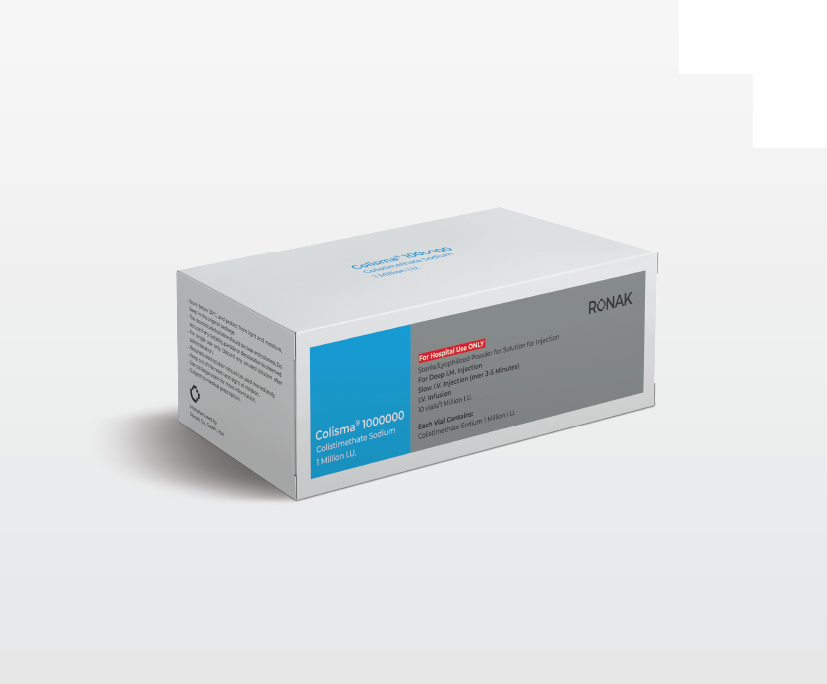


®كوليسما
كوليسما®
الاسم العلمي: كوليستيميثات الصوديوم (Colistimethate Sodium)
الشكل الصيدلاني: مسحوق مُجفَّد بالتجميد (ليوفيليز) يحتوي على 1 مليون وحدة و4.5 مليون وحدة لتحضير محلول للحقن
الفئة الدوائية: مضاد حيوي
نظرة عامة على كوليستيميثات
كوليستيميثات (كوليستيميثات الصوديوم، كوليستين، أو بوليميكسين E) هو طليعة دواء غير فعّالة تتحول في الجسم إلى كوليستين. يعمل كوليستين على إتلاف الغشاء السيتوبلازمي للبكتيريا، مما يؤدي إلى تسرّب محتويات الخلية وفي النهاية قتل الممرض.
دواعي استعمال كوليستيميثات
-
علاج العدوى الحادة والمزمنة الناتجة عن بعض الجراثيم سلبية الغرام الحساسة مثل: Pseudomonas aeruginosa وEnterobacter aerogenes وEscherichia coli وKlebsiella pneumoniae، والتي تكون مقاومة لمضادات حيوية أخرى أو لدى المرضى غير القادرين على استخدام مضادات حيوية بديلة.
-
التليف الكيسي.
-
الوقاية من التفاقمات في توسع القصبات (Bronchiectasis).
الشكل الصيدلاني
مسحوق ليوفيليز يحتوي على 1 مليون وحدة و4.5 مليون وحدة من كوليستيميثات الصوديوم لتحضير محلول للحقن.
تحضير كوليستيميثات
-
كوليستيميثات 1 مليون وحدة: أضف 1 مل من ماء معقّم للحقن إلى القارورة وارجّ بلطف حتى يذوب المسحوق تمامًا. يحتوي المحلول الناتج على 34 ملغ/مل من كوليستيميثات الصوديوم.
-
كوليستيميثات 4.5 مليون وحدة: أضف 2 مل من ماء معقّم للحقن إلى القارورة وارجّ بلطف حتى يذوب المسحوق تمامًا. يحتوي المحلول الناتج على 75 ملغ/مل من كوليستيميثات الصوديوم.
بعد إضافة ماء الحقن، قم بتدوير القارورة بلطف لتجنب تشكّل الرغوة. يجب فحص المحلول قبل الاستخدام للتأكد من عدم وجود جسيمات أو تغيّر لون.
إذا وُجدت جسيمات أو تغيّر لون، لا تستخدم المحلول.
إذا لزم التخفيف، فإن كوليستيميثات متوافق مع المحاليل التالية:
-
كلوريد الصوديوم 0.9%
-
ديكستروز 5%
-
ديكستروز 5% + كلوريد الصوديوم 0.9%
-
ديكستروز 5% + كلوريد الصوديوم 0.45%
-
ديكستروز 5% + كلوريد الصوديوم 0.225%
-
رينغر لاكتات
طريقة الإعطاء
يمكن إعطاء كوليستيميثات:
-
وريديًا أو عضليًا (في العضلات الكبيرة مثل الألوية أو العضلة الوحشية للفخذ).
الحقن الوريدي
-
حقن مباشر: إعطاء نصف الجرعة اليومية خلال 3–5 دقائق كل 12 ساعة.
-
حقن مباشر ثم تسريب: إعطاء نصف الجرعة اليومية خلال 3–5 دقائق، ثم إعطاء الجرعة المتبقية خلال 1–2 ساعة كتسريب بطيء (على مدى 22–23 ساعة أو أكثر) بعد التخفيف بمحـاليل متوافقة.
المتابعة أثناء العلاج
-
مستويات الكوليستين في الدم.
-
كرياتينين المصل واليوريا.
-
كمية البول (إدرار البول).
-
علامات السمية العصبية.
موانع الاستعمال
-
فرط الحساسية لكوليستيميثات أو كوليستين أو لأي مكوّن من مكونات المستحضر.
التحذيرات والاحتياطات
-
قد يسبب كوليستيميثات سمية كلوية تعتمد على الجرعة. يجب استخدامه بحذر لدى مرضى الفشل الكلوي، مع تعديل الجرعة بحسب درجة القصور الكلوي وعمر المريض.
-
قد تحدث أعراض مثل الوخز أو التنميل حول الفم واليدين والقدمين، الحكة، الدوخة، واضطرابات الكلام. تقليل الجرعة غالبًا ما يحسن هذه الأعراض. عند حدوثها، تجنب الأنشطة التي تتطلب يقظة عالية مثل القيادة أو تشغيل الآلات الثقيلة.
-
قد يزيد الاستخدام طويل الأمد من خطر الإسهال المرتبط بالمطثية العسيرة (Clostridium difficile). إذا ظهرت أعراض مثل ألم بطني، براز رخو جدًا/مائي، أو براز دموي، اتصل بالطبيب فورًا.
الحمل والرضاعة
-
استشر الطبيب قبل الاستخدام أثناء الحمل أو الرضاعة.
-
يُفرز الكوليستين (الشكل الفعّال) في حليب الأم؛ لذا يجب أن تتم الرضاعة بحذر وتحت إشراف طبي.
الآثار الجانبية
قد يسبب كوليستيميثات آثارًا جانبية (لا تحدث لدى الجميع). الشائعة تشمل:
-
نقص كمية البول.
-
دوخة.
-
حمى.
-
طفح جلدي، شرى (أرتيكاريا) وحكة.
التداخلات الدوائية
استشر الطبيب أو الصيدلي قبل استخدام كوليستيميثات مع أدوية أو مكمّلات أخرى.
التعبئة
-
عبوة 1 مليون وحدة تحتوي على 10 قوارير من كوليستيميثات.
-
عبوة 4.5 مليون وحدة تحتوي على قارورتين من كوليستيميثات.
شروط التخزين
-
يُحفظ تحت 30°م بعيدًا عن الضوء والرطوبة.
-
صالح للاستخدام حتى تاريخ الانتهاء المدوّن على العبوة؛ لا تستخدم أو تخزن الدواء منتهي الصلاحية.
-
يُحفظ بعيدًا عن متناول الأطفال.
-
يُحفظ في العبوة الأصلية حتى وقت الاستخدام.
المراجع
-
Colistin (Colistimethate): Drug Information, UpToDate 2025
-
Medicines.org.uk – Product Information
Colisma® is an inactive prodrug that is converted in the body to colistin. Colistin damages the bacterial cytoplasmic membrane, causing leakage of intracellular materials and ultimately death of the pathogen.
Treatment of acute and chronic infections caused by susceptible strains of Gram-negative bacilli, such as Pseudomonas aeruginosa, Enterobacter aerogenes, Escherichia coli, and Klebsiella pneumoniae, especially when resistant to other antibiotics or in patients who cannot use other antibiotics.
- Cystic fibrosis
- Prevention of bronchiectasis exacerbation
Lyophilized powder containing 1 million and 4.5 million units of Colistimethate sodium for preparation of injectable solution.
Colisma® 1 million units: Add 1 mL of sterile water for injection to the vial contents and dissolve the powder completely. The resulting solution contains 34 mg/mL Colistimethate sodium.
Colisma® 4.5 million units: Add 2 mL of sterile water for injection to the vial contents and dissolve the powder completely. The resulting solution contains 75 mg/mL Colistimethate sodium.
After adding sterile water for injection, gently rotate the vial to avoid foaming. Inspect the solution before use for suspended particles or discoloration.
Do not use the medicine if particles or discoloration are present.
If dilution is required, Colisma® is compatible with:
- 0.9% sodium chloride
- 5% dextrose
- 5% dextrose with 0.9% sodium chloride
- 5% dextrose with 0.45% sodium chloride
- 5% dextrose with 0.225% sodium chloride
- Lactated Ringer’s solution
Colisma® may be administered intravenously or intramuscularly, including into large muscles such as the gluteal muscle or the lateral thigh.
Intravenous administration may be performed as follows:
- Direct injection: Slowly inject half of the daily dose over 3 to 5 minutes every 12 hours.
- Direct injection and infusion: Administer half of the daily dose over 3 to 5 minutes, and administer the remaining half after dilution in compatible solutions as a slow infusion over 22 to 23 hours or longer.
- Blood colistin level
- Serum creatinine and urea levels
- Urine output
- Signs of neurotoxicity
Hypersensitivity to Colistimethate, colistin, or any component of the formulation.
- Depending on dose, Colisma® may cause kidney toxicity. It should be used cautiously in patients with kidney impairment, and the dose must be adjusted according to the degree of impairment and the patient’s age.
- Symptoms such as tingling or numbness around the mouth, hands, or feet, itching, dizziness, or speech disturbance may occur. Dose reduction usually improves these symptoms. If they occur, avoid activities requiring high alertness, such as driving or operating heavy machinery.
- Long-term use of Colisma® may increase the risk of diarrhea caused by Clostridioides difficile. Contact your physician immediately if symptoms occur, such as stomach pain, very loose or watery stool, or bloody stool.
Consult your physician before using Colisma® during pregnancy or breastfeeding.
Colistin, the active form of Colistimethate sodium, is excreted in breast milk; therefore, breastfeeding should be done cautiously and under specialist medical supervision.
Like all medicines, Colisma® may cause unwanted side effects, although not everyone experiences them. More common possible side effects include:
- Decreased urine volume
- Dizziness
- Fever
- Skin rash, urticaria, and itching
Consult your physician or pharmacist about using Colisma® together with other medicines or supplements.
Each 1-million-unit package contains 10 vials of Colisma®.
Each 4.5-million-unit package contains 2 vials of Colisma®.
- Store below 30°C, protected from light and moisture.
- The medicine may be used until the end of the month stated in the expiry date on the package. Do not use or store expired medicines.
- Keep the medicine out of the reach of children.
- Keep the medicine in its original packaging until use.
- Colistin / Colistimethate: Drug information, UpToDate 2025
- Medicines.org.uk product information for Colistimethate sodium.