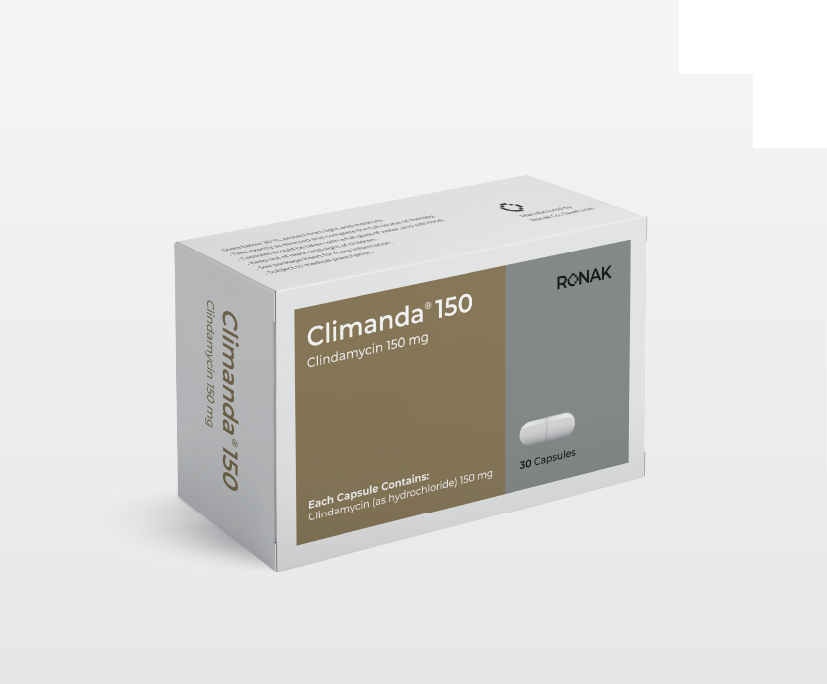


®كليماندا
كليماندا®
الاسم العلمي: كليندامايسين (Clindamycin)
الشكل الصيدلاني: كبسولات 150 ملغ و300 ملغ
الفئة الدوائية: مضاد حيوي
دواعي الاستعمال: يُستخدم كليماندا® لعلاج أنواع مختلفة من الالتهابات البكتيرية، بما في ذلك:
-
التهابات العظام
-
التهابات البطن
-
التهابات الجهاز التنفسي
-
التهابات الأنسجة الرخوة
-
الإنتان/تعفن الدم (عدوى مجرى الدم)
-
التهابات العقديات والعنقوديات والجراثيم اللاهوائية
نبذة عن كليماندا®
كليماندا® (كليندامايسين) مضاد حيوي واسع الطيف يمنع نمو البكتيريا وتكاثرها، وقد يؤدي بجرعات أعلى إلى قتل البكتيريا.
دواعي استعمال كليماندا®
-
التهابات المفاصل والعظام
-
التهابات نسائية وتوليدية
-
التهابات جوف البطن
-
التهابات الجهاز التنفسي السفلي
-
عدوى مجرى الدم (الإنتان)
-
التهابات الجلد والأنسجة الرخوة
-
التهابات مختلفة تسببها العقديات والعنقوديات والجراثيم اللاهوائية
الشكل الصيدلاني
-
كبسولات فموية: 150 ملغ و300 ملغ
طريقة استعمال كليماندا®
-
تناول كليماندا® تمامًا حسب وصف الطبيب أو الصيدلي.
-
للحصول على أفضل استجابة علاجية، لا تغيّر الجرعة أو مدة العلاج دون استشارة مقدم الرعاية الصحية.
-
تُؤخذ الكبسولة مع كوب كامل من الماء، مع الطعام أو بدونه. إذا كنت تعاني من مشاكل هضمية، يُنصح بتناول الدواء مع الطعام. تجنب الاستلقاء لمدة لا تقل عن 30 دقيقة بعد تناول الدواء.
الجرعة الفائتة
-
إذا نسيت جرعة، تناولها حالما تتذكر. إذا اقترب موعد الجرعة التالية، تجاوز الجرعة المنسية. لا تتناول جرعتين في الوقت نفسه.
الجرعة الزائدة
-
إذا كنت تعتقد أنك تناولت أكثر من الجرعة الموصى بها، أبلغ طبيبك فورًا أو راجع منشأة صحية.
المتابعة أثناء العلاج
أثناء استخدام كليماندا® يجب مراقبة ما يلي:
-
التغيّرات في عدد مرات/كمية التبرز
-
أعراض التهاب القولون (مثل ألم المعدة، الانتفاخ، الإسهال، وجود مخاط أو دم في البراز، فقدان الشهية، ونقص الوزن)
-
وظائف الكبد
-
وظائف الكلى
-
تعداد الدم الكامل (CBC)
موانع الاستعمال
-
فرط الحساسية للكليندامايسين أو لأي مكوّن من مكوّنات المستحضر
-
حديثو الولادة بعمر أقل من 30 يومًا
التحذيرات والاحتياطات
-
إذا ظهرت أعراض مثل صعوبة التبول، تغيّر كمية البول، وجود دم في البول، أو زيادة وزن مفرطة، أبلغ الطبيب فورًا.
-
في حال حدوث إسهال شديد، ألم بالمعدة، براز شديد السيولة/مائي، أو وجود دم في البراز، اتصل بالطبيب فورًا.
-
عند حدوث تفاعل تحسسي شديد واسع مثل احمرار أو تورّم أو فقاعات أو تقشّر الجلد، احمرار العينين، أو تقرحات في الفم أو الحلق أو الأنف أو العينين، اطلب المساعدة الطبية فورًا.
-
يُستخدم بحذر لدى كبار السن أو لدى من يعانون من فشل كبدي أو كلوي أو أمراض بالجهاز الهضمي. أخبر طبيبك إذا كان أي من ذلك ينطبق عليك.
-
للوقاية من تهيّج المريء، خذ الكليندامايسين مع كوب كامل من الماء وتجنب الاستلقاء لمدة لا تقل عن 30 دقيقة بعد تناوله.
-
إساءة استخدام هذا الدواء قد تؤدي إلى زيادة مقاومة الميكروبات للمضادات الحيوية.
الاستخدام أثناء الحمل والرضاعة
-
قبل تناول الكليندامايسين أثناء الحمل أو الرضاعة، استشر الطبيب أو الصيدلي.
-
يعبر الكليندامايسين المشيمة وقد يُفرز في حليب الأم. يجب اتخاذ قرار الاستخدام خلال الحمل أو الرضاعة مع مراعاة فوائد العلاج للأم والمخاطر المحتملة على الطفل.
الآثار الجانبية لكليماندا®
-
إسهال واضطرابات هضمية
-
ألم بطني، غثيان أو قيء
-
تفاعلات تحسسية ومشكلات جلدية مثل الطفح والشرى
-
تغيّرات في التذوق
التداخلات الدوائية
استشر الطبيب أو الصيدلي قبل استخدام الكليندامايسين مع أي أدوية أو مكملات أخرى.
التعبئة
تحتوي كل عبوة على 30 كبسولة (3 شرائط، كل شريط 10 كبسولات).
شروط التخزين
-
يُحفظ كليماندا® تحت 30°م بعيدًا عن الضوء والرطوبة.
-
لا تستخدم بعد تاريخ الانتهاء المطبوع على العبوة، وتجنب استخدام الأدوية منتهية الصلاحية.
-
يُحفظ بعيدًا عن متناول الأطفال.
-
لا تُخرج الدواء من العبوة الأصلية حتى وقت الاستعمال.
المراجع
-
Clindamycin (Systemic): Drug Information, UpToDate 2025
-
Medicines.org.uk – Product Information
Climanda® is a broad-spectrum antibiotic. It prevents the growth and multiplication of bacteria and, at high doses, can kill bacteria.
- Joint and bone infections
- Obstetric and gynecologic infections
- Intra-abdominal infections
- Lower respiratory tract infections
- Disseminated infection in the blood (sepsis)
- Skin and soft-tissue infections
- Various streptococcal, staphylococcal, and anaerobic infections
150 mg and 300 mg oral capsules.
Take Climanda® exactly as directed by your physician or pharmacist. To achieve the best therapeutic response, do not increase or decrease the dose or change the duration of treatment without consulting your physician or pharmacist.
Take Climanda® with a full glass of water, either on an empty stomach or with food. If gastrointestinal problems occur, it is recommended to take the medicine with food and avoid lying down for at least half an hour after taking it.
If you miss a dose, take it as soon as you remember. If it is almost time for the next dose, skip the missed dose. Do not take two doses at the same time or take an extra dose.
If you take more than the recommended amount, inform your physician immediately or go to a medical center.
- Changes in stool frequency
- Signs of colitis, such as abdominal pain, bloating, diarrhea, mucus or blood in the stool, loss of appetite, and weight loss
- Liver function
- Kidney function
- Complete blood count
- Hypersensitivity to Clindamycin or any component of the formulation
- History of infection or colitis caused by Clostridioides difficile
- Severe gastrointestinal diseases with a high risk of serious complications
- Inform your physician if symptoms of kidney problems occur, including inability to urinate, changes in urine output, blood in the urine, or excessive weight gain.
- Inform your physician immediately if you have symptoms such as severe diarrhea, stomach pain, very loose or watery stool, or bloody stool.
- Seek medical care immediately if widespread hypersensitivity reactions occur, with symptoms such as redness, swelling, blistering or peeling of the skin, eye redness, or sores in the mouth, throat, nose, or eyes.
- Clindamycin should be used with greater caution in older adults or in patients with liver failure, kidney failure, or gastrointestinal disease. Inform your physician if any of these apply.
- To help prevent esophageal inflammation, take Clindamycin with a full glass of water and do not lie down for at least half an hour after taking it.
- Incorrect use of this medicine may increase microbial resistance.
Consult your physician or pharmacist before using Clindamycin during pregnancy or breastfeeding.
Like all medicines, Clindamycin may cause unwanted side effects, although not everyone experiences them. More common possible side effects include:
- Diarrhea and intestinal disorders
- Abdominal pain, nausea, or vomiting
- Hypersensitivity reactions and skin reactions, such as rash and urticaria
- Changes in sense of taste
Consult your physician or pharmacist about using Clindamycin together with other medicines or supplements.
Each package contains 30 capsules: 3 blister strips of 10 capsules.
- Store below 30°C, protected from light and moisture.
- The medicine may be used until the end of the month stated in the expiry date on the package. Do not use or store expired medicines.
- Keep the medicine out of the reach of children.
- Keep the medicine in its original packaging until use.
- Clindamycin — systemic: Drug information, UpToDate 2025
- Medicines.org.uk product information for Clindamycin.