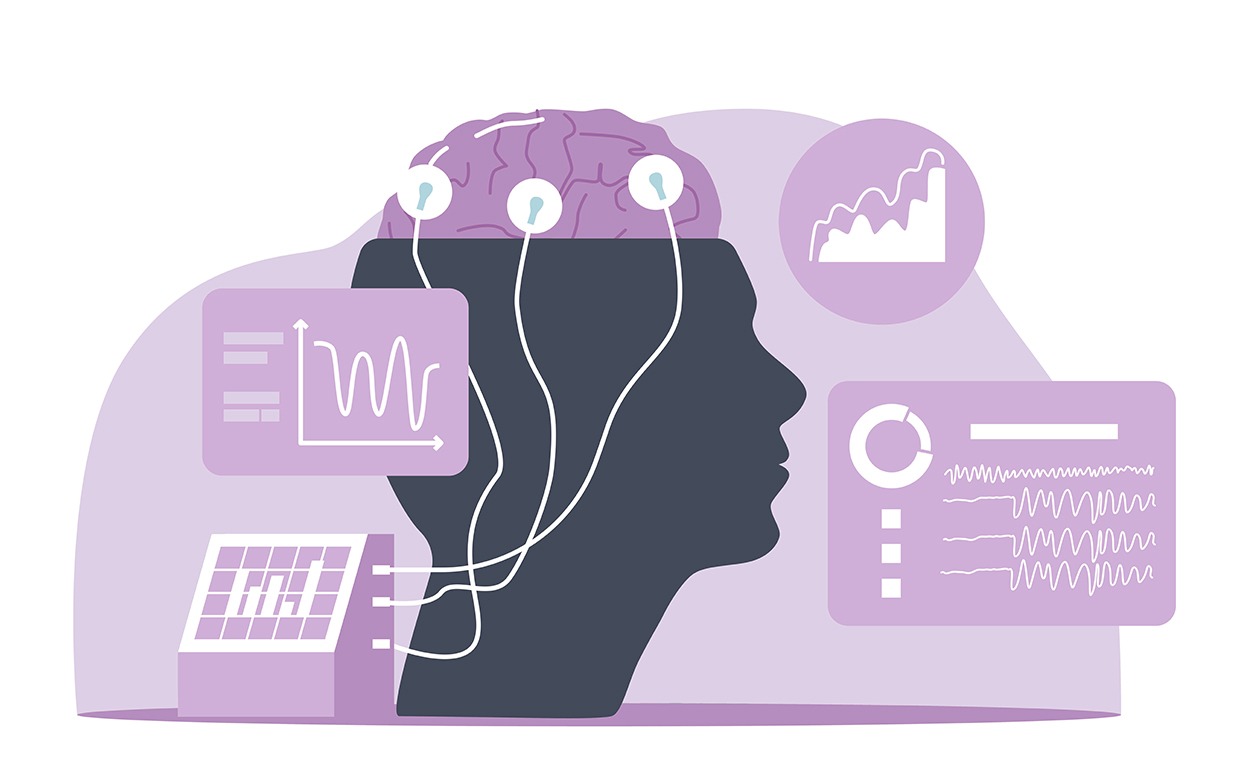





Contrary to common belief, epilepsy is not a single disease with a single cause; rather, it is a spectrum of different disorders that can all lead to epileptic seizures. Understanding these factors is key for prevention, timely diagnosis, and treatment. Below we review the main causes—bearing in mind that in about half of patients the primary cause remains unknown.
Main categories of causes
-
Genetic causes
-
Structural causes (brain injury/lesions)
-
Metabolic diseases
-
Infectious causes
-
Autoimmune causes
-
Unknown (idiopathic) causes
Sometimes epilepsy results from the combined effect of several factors—for example, a person with a genetic predisposition may ultimately develop epilepsy after a head injury.
1) Genetic causes
Genetic background is one of the most important reasons for epilepsy. In some people, the disorder is wholly inherited and present from birth. Mutations or changes in genes can alter neuronal receptors and trigger sudden, abnormal electrical discharges in the brain.
Genetic epilepsies often begin in childhood and may have a family history. Examples include Benign Rolandic Epilepsy, Dravet syndrome, Absence Epilepsy, and Juvenile Myoclonic Epilepsy.
2) Structural brain injuries and abnormalities
Damage to brain tissue is a major acquired cause and can occur before birth, during delivery, or later in life:
-
Disorders of cortical development (e.g., cortical dysplasia) arising in fetal life.
-
Birth-related injuries: intracranial hemorrhage, prolonged labor, or low birth weight causing hypoxia.
-
Head trauma: from accidents or falls; risk depends on site/severity (e.g., temporal lobe injuries carry higher risk).
-
Brain tumors (benign or malignant): by compressing or disrupting brain tissue.
-
Stroke: a leading cause in adults and the elderly due to neuronal loss and subsequent abnormal electrical activity.
3) Metabolic diseases
Certain metabolic disturbances—especially in infancy and childhood—predispose to seizures:
-
Hypoglycemia (sudden, significant drop in blood glucose).
-
Electrolyte imbalances (marked hypo-/hypernatremia, hypocalcemia, hypomagnesemia).
-
Lipid metabolism disorders (e.g., Tay–Sachs disease) disrupting normal brain function.
4) Infectious causes—especially CNS infections
Infections involving the nervous system are well-known triggers:
-
Meningitis: inflammation of the meninges, often with fever, neck stiffness, headache, and seizures.
-
Encephalitis: inflammation of brain parenchyma leading to neuronal injury.
-
Neurocysticercosis: a parasitic infection prevalent in many developing regions; larval cysts in the brain are a major cause of epilepsy.
-
Pregnancy-related infections (TORCH, HIV, syphilis, etc.): if transmitted to the fetus—particularly around delivery—later epilepsy risk increases.
Genetic susceptibility may modify the risk or severity of post-infectious epilepsy.
5) Autoimmune disorders
Sometimes the immune system attacks brain tissue, causing inflammation and neuronal dysfunction—autoimmune epilepsy. It may coexist with memory problems, mood changes, or movement disorders. Diagnosis often requires antibody testing, high-resolution imaging, and EEG to document abnormal electrical activity.
6) Unknown (idiopathic) causes
Despite major advances, in ~50% of patients no clear cause is found (idiopathic epilepsy). Hidden genetic factors or subtle structural abnormalities may play a role.
References:
-
UpToDate 2025 / Epilepsia
-
Adams and Victor’s Principles of Neurology, 12th ed., Ch. 15
-
Aminoff’s Neurology and General Medicine, Seizures and General Medical Disorders