



Epilepsy is one of the most common neurological disorders, affecting millions worldwide. It is defined by recurrent, unpredictable seizures that can create many challenges in daily life. Accurate diagnosis is crucial for management and treatment, but the process can be complex and requires careful medical evaluation. This note outlines the routine steps and methods used to diagnose epilepsy.
What is epilepsy?
Before discussing diagnostic methods, it helps to understand epilepsy. Epilepsy is a brain disorder in which abnormal electrical activity in the brain causes seizures. Seizures can appear in many forms—from involuntary movements to loss of consciousness or unusual sensations. Not every seizure equals epilepsy; sometimes a single seizure occurs due to triggers such as high fever, low blood sugar, or brain injury. When seizures recur without a clear provocation, doctors suspect epilepsy.
Diagnosing epilepsy requires distinguishing epileptic seizures from seizures due to other causes; therefore, a definitive diagnosis follows several key steps.
Step 1: History-taking
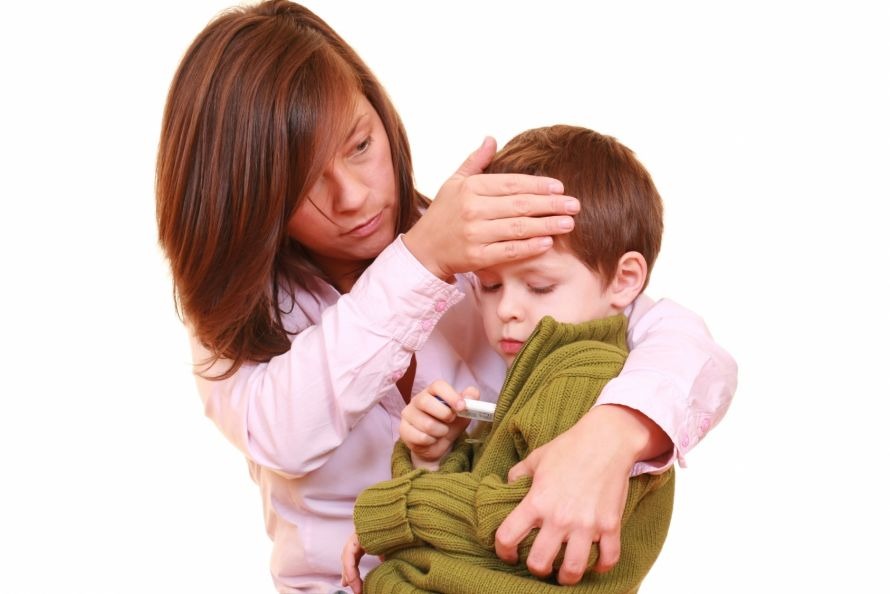
The first—and often most important—step is a thorough medical history. The doctor asks the patient and witnesses about symptoms, frequency and type of seizures, potential triggers (sleep deprivation, stress, flashing lights), and any family history of epilepsy or other neurological disorders.
What in the history helps reach the right diagnosis?
-
Seizure description: Details from the patient or witnesses—loss of awareness? involuntary movements? duration?
-
Medical history: Prior head injury, brain infections, developmental problems.
-
Medications & environment: Certain drugs, substances, or alcohol can provoke seizures.
-
Family history: Because epilepsy can have a genetic component, knowing whether relatives are affected is important.
This information helps the physician form a complete picture and assess the likelihood of epilepsy.
Step 2: Physical and neurological examination
After the history, a physical and neurological exam assesses coordination, muscle strength, sensation, and reflexes. Mental status (memory, attention) may also be evaluated. While this step alone cannot confirm epilepsy, it can provide clues to possible causes of seizures or underlying neurological issues.
Step 3: Diagnostic tests
To make an accurate diagnosis, specialized tests are often recommended to detect abnormal brain activity and rule out other causes.
-
Electroencephalography (EEG)
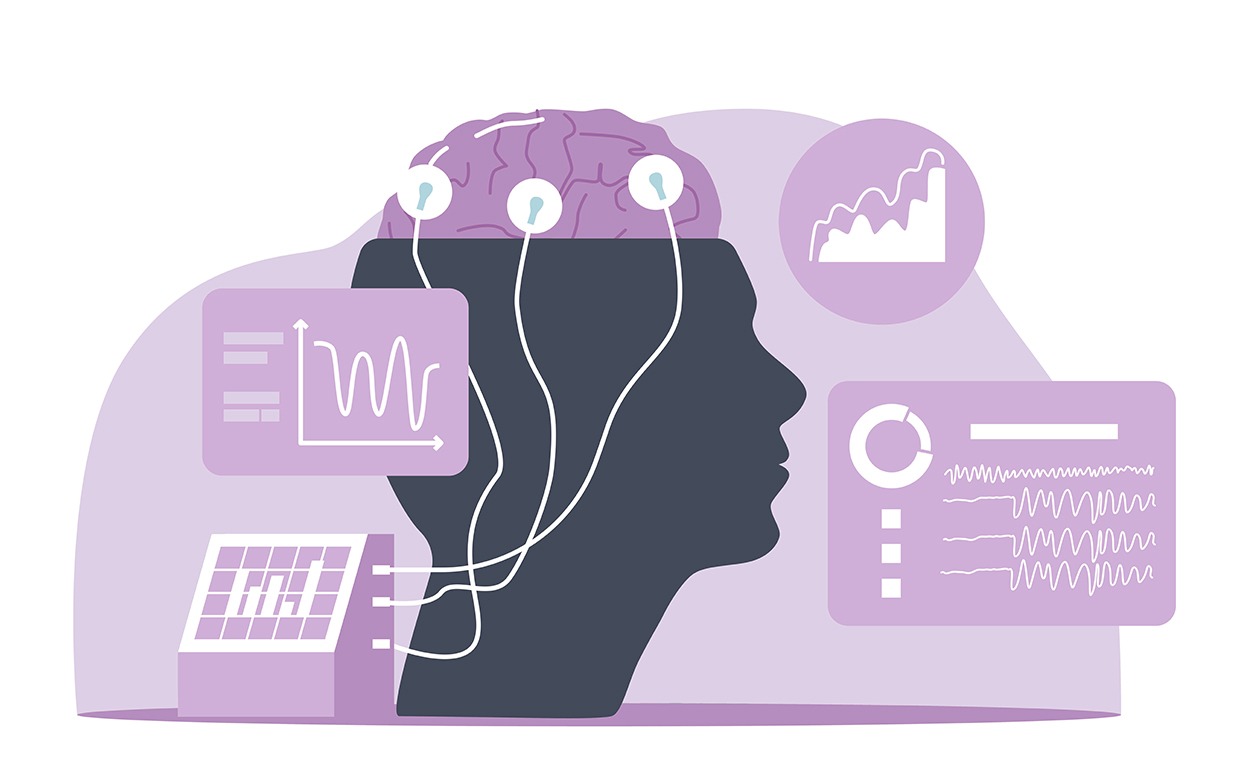
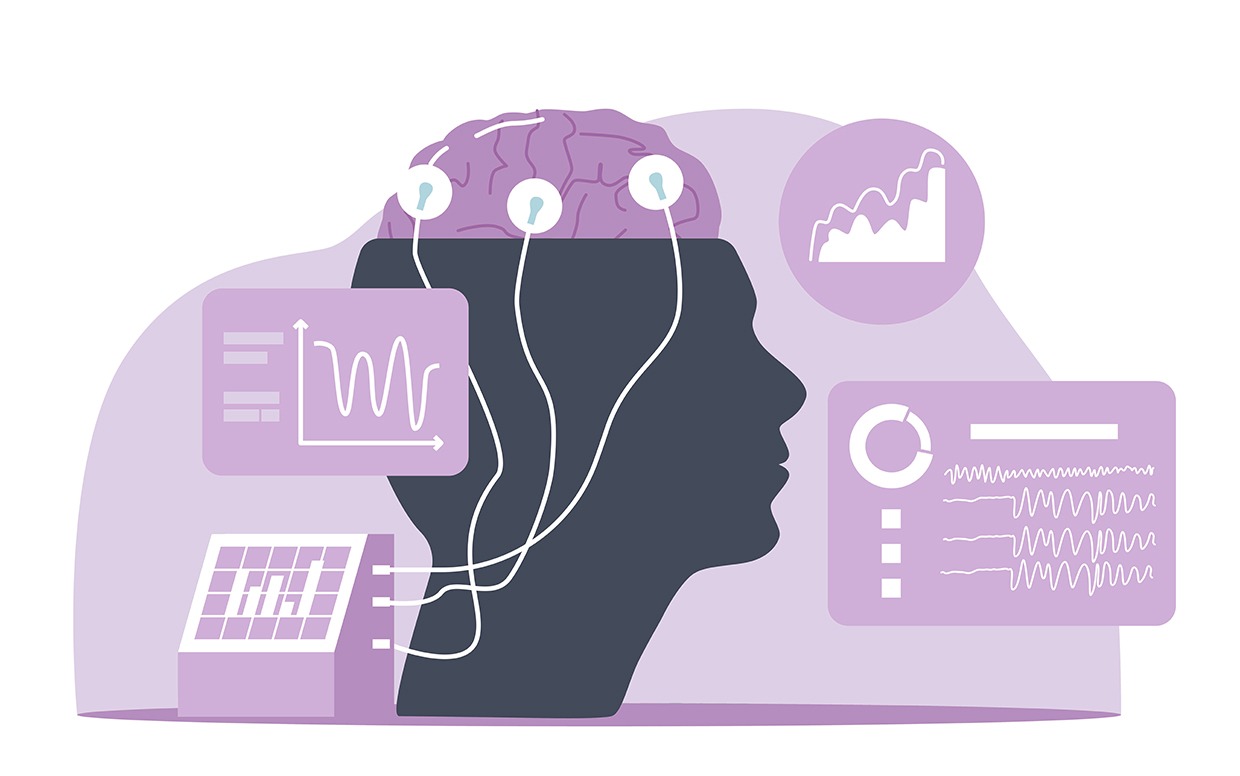
EEG records electrical activity via scalp electrodes and is a cornerstone test.
-
How it’s done: The patient lies down while small electrodes are placed on the scalp. A routine EEG typically lasts 20–40 minutes in clinic, but longer recordings—hours or even days with continuous video-EEG monitoring—may be used in hospital.
-
What it shows: Certain patterns suggest epilepsy. A normal EEG does not exclude epilepsy, since abnormal activity may not occur during the recording.
-
Brain imaging
Imaging assesses brain structure to identify tumors, lesions, or vascular abnormalities.
-
MRI: Preferred for epilepsy because it provides detailed images.
-
CT: Used in emergencies or when MRI is unavailable.
-
Blood tests
Used to look for causes such as abnormal glucose, electrolyte disturbances, or infections that can provoke seizures. The goal is to exclude non-epileptic causes (e.g., glucose or electrolyte shifts). -
Other specialized studies
In complex cases, SPECT or PET may be used to evaluate cerebral blood flow or metabolism, helping localize the seizure onset zone.
Step 4: Differential diagnosis
Epilepsy must be distinguished from conditions that mimic seizures: syncope (fainting from low blood pressure), panic attacks, psychogenic non-epileptic seizures (PNES), sleep disorders, or migraine. Using the history, exam, and tests, clinicians separate these from true epilepsy.
Bottom line
Epilepsy is complex and varied; accurate diagnosis requires collaboration among the patient, family, and medical team. Although challenging, advances in medicine are making diagnosis increasingly precise. If you or a loved one has suspicious symptoms, consult a specialist promptly. Early and accurate diagnosis is the first step toward successful management.