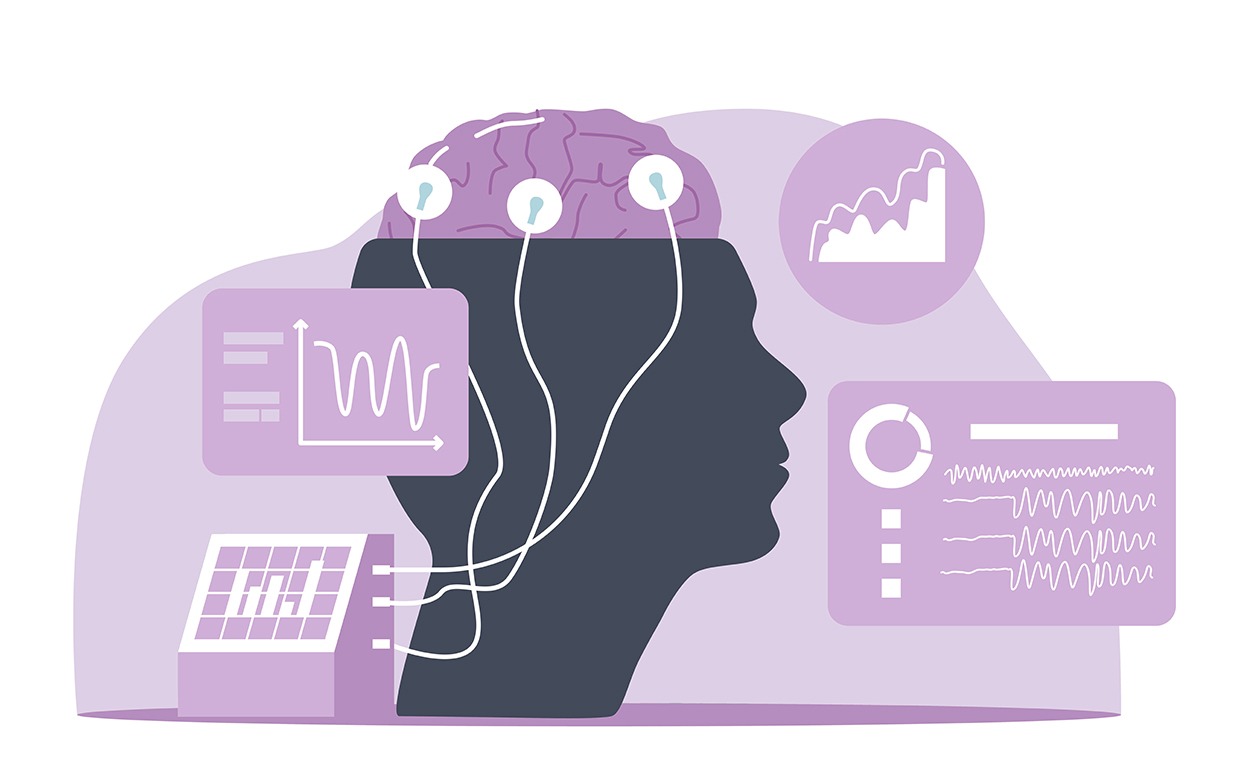





Many people don’t know the difference between a seizure and epilepsy. Given the high prevalence of epilepsy worldwide—especially in our country—it’s important to understand both conditions and how they differ.
A seizure occurs when the brain becomes suddenly and abnormally active. Nerve cells release a large burst of electrical signals all at once. This can happen in any part of the brain and cause symptoms that sometimes affect only part of the body and sometimes the whole body. A seizure usually lasts from a few seconds to a few minutes.
Possible seizure manifestations include:
-
Repetitive, involuntary movements (e.g., lip chewing, rapid blinking, or making sounds)
-
Staring spells
-
Mild muscle jerks
-
And, in some cases, severe, prolonged convulsions
During these episodes, a person may unintentionally injure themselves—for example, bite their tongue, or strike nearby objects due to forceful movements, leading to limb injuries or even head trauma. Seizures may also be accompanied by loss of bladder/bowel control and loss of consciousness.
Note that not every fainting spell or loss of consciousness is a seizure; other causes include cardiac problems, low blood pressure, or low blood sugar.
One seizure ≠ Epilepsy.
About 10% of people may experience a single seizure in their lifetime. Epilepsy is diagnosed when at least two unprovoked seizures have occurred. The frequency of seizures in epilepsy can vary from less than once per year to several times per day.
Epilepsy can occur at any age—from childhood to old age—and in any sex or ethnicity, though onset in early childhood is more common.
With about 50 million people affected globally, epilepsy is one of the most common chronic non-communicable diseases. According to the Iranian Epilepsy Association, more than 1.2 million people in our country live with epilepsy. Around 80% of patients live in low- and middle-income countries, likely due to higher rates of infections, road traffic injuries, and pregnancy/childbirth complications (e.g., maternal malnutrition, prolonged labor). In some cases, epilepsy has a genetic basis.
With proper education for patients and families and regular follow-up, over 70% of epilepsy cases can be controlled with available medications. Timely, appropriate treatment improves quality of life and reduces the risk of physical and psychological complications—allowing most people to live normally and independently, including driving, exercising, and traveling.
References:
-
UpToDate 2025 / Epilepsia
-
Adams and Victor’s Principles of Neurology, 12th ed., Ch. 15
-
Aminoff’s Neurology and General Medicine, Seizures and General Medical Disorders