




Is This Treatment Right for Me?
Parkinson’s disease is one of the most common chronic neurological disorders in which, as brain cells degenerate, a person’s ability to control body movements gradually declines. Its main symptoms include uncontrollable tremors, slowness of movement, muscle rigidity, and balance problems. Because the effect of medications often diminishes over time and side effects increase, researchers have explored new treatments to improve quality of life. One such method is Deep Brain Stimulation (DBS), which has proven effective particularly in advanced Parkinson’s disease. DBS targets abnormal brain electrical activity to improve movement and reduce symptoms.
How DBS Works
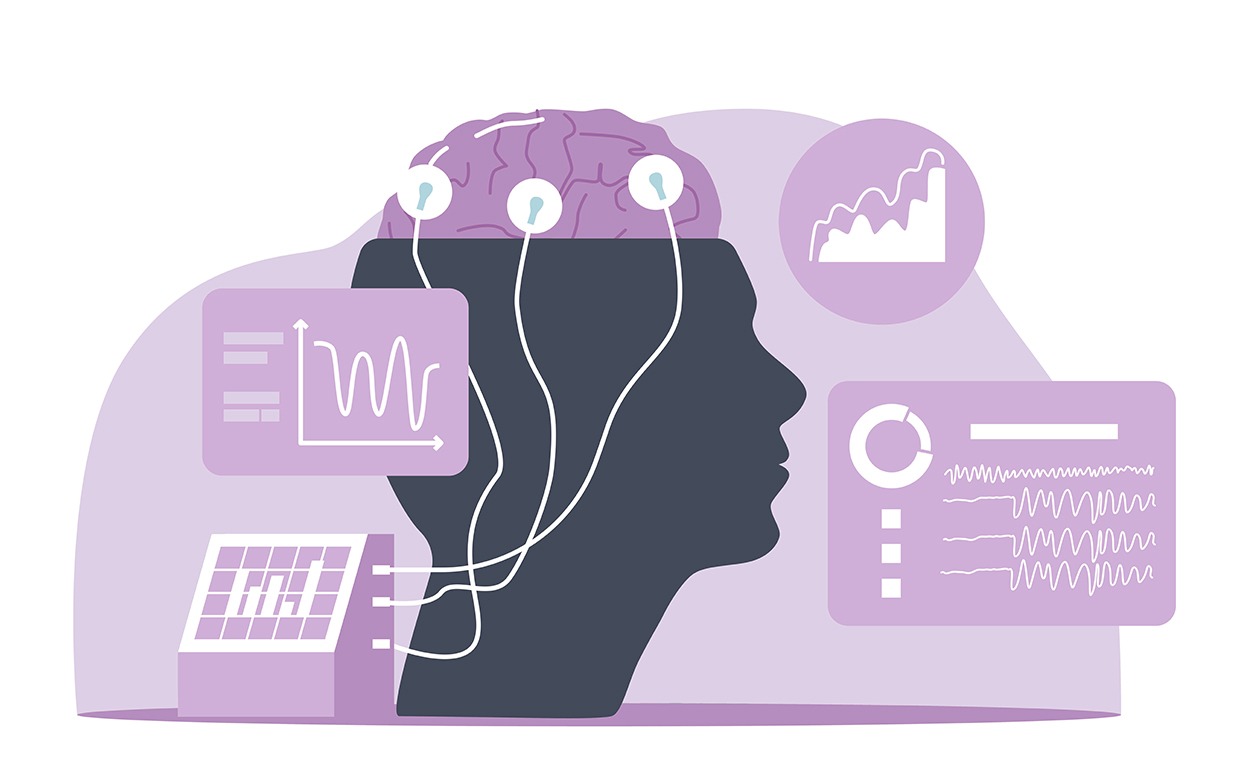
DBS is a minimally invasive procedure that uses electrical currents to modulate abnormal brain activity. It is especially helpful for patients with more severe symptoms whose medications have become less effective. In this method, specific electrodes are implanted in brain regions where abnormal activity generates Parkinsonian symptoms.
First, doctors identify the exact targets using imaging such as MRI and CT scans. Then, using surgical techniques, they insert electrodes into the specified brain areas. After placement, a lead wire connects the electrodes and runs under the skin from the head, down the neck and shoulder, to a battery (pulse generator) in the chest. This battery produces electrical pulses and delivers them to the brain. The patient is typically awake during surgery, and may be asked to move an arm so surgeons can confirm accurate electrode placement. This portion of the surgery usually takes about 2–3 hours.
After implantation, the patient returns to a neurologist for device programming. The DBS system is finely adjusted—amplitude, pulse width, and frequency—to the patient’s individual needs. These settings are revisited periodically, and the device delivers pulses automatically throughout day and night. Further adjustments may be needed as the condition evolves. The goal is to normalize brain rhythms, improving motor control and reducing symptoms.
A major advantage of DBS is that it increases “on time” without troublesome symptoms. In practice, DBS can lower the need for Parkinson’s medications. Many patients reduce their drug doses while maintaining symptom control, which not only improves quality of life but also reduces medication side effects such as nausea, dizziness, and sleep problems.
DBS also helps patients maintain more consistent motor function. Whereas medication effects may wear off and cause motor fluctuations, DBS can reduce fluctuations and improve overall mobility.
Challenges and Limitations of DBS
Despite its benefits, DBS has challenges. The cost of surgery and hardware can be high. Although minimally invasive, it is still a surgery with risks such as infection, bleeding, or inaccuracies in electrode placement. Not all patients are ideal candidates. In addition, some individuals may require frequent reprogramming, which can affect adherence.
Recent Advances and the Future of DBS
DBS is widely used to treat Parkinson’s disease and essential tremor, and research suggests it may also help conditions such as depression and post-stroke disability. Investigators are exploring DBS for other neurological disorders, particularly in patients who do not respond to medications.
Recent advances include adaptive/closed-loop DBS, where devices record brain activity and adjust stimulation automatically. These capabilities enable more precise therapy and may reduce the need for frequent clinic visits, allowing remote optimization and more efficient care.
In Summary
DBS is an effective, modern therapy for Parkinson’s disease that can reduce symptoms and improve quality of life by modulating abnormal brain activity and reducing reliance on high-burden medications. However, it carries challenges such as cost and the need for surgery. Ongoing progress and expanding indications make DBS a leading treatment option for Parkinson’s and other neurological disorders.