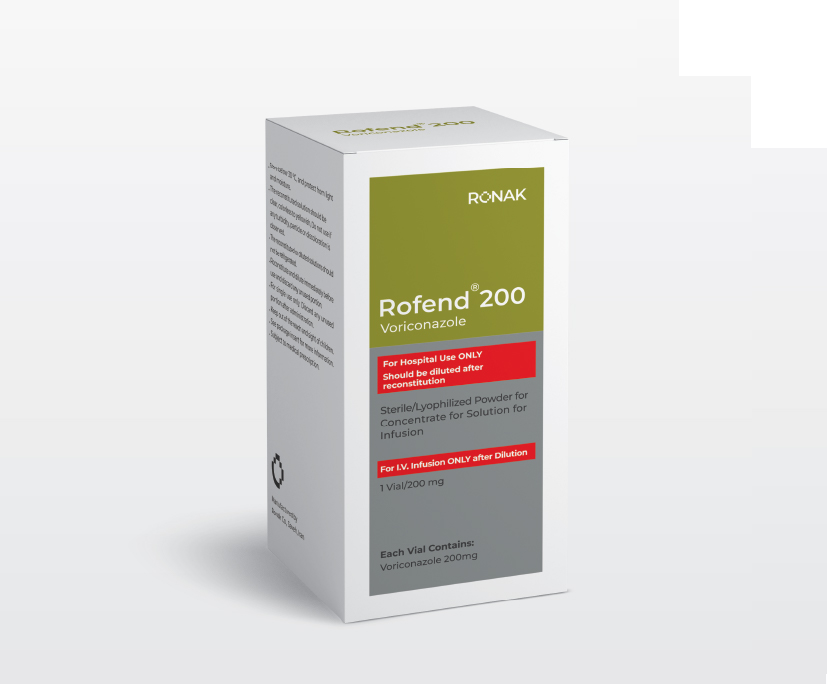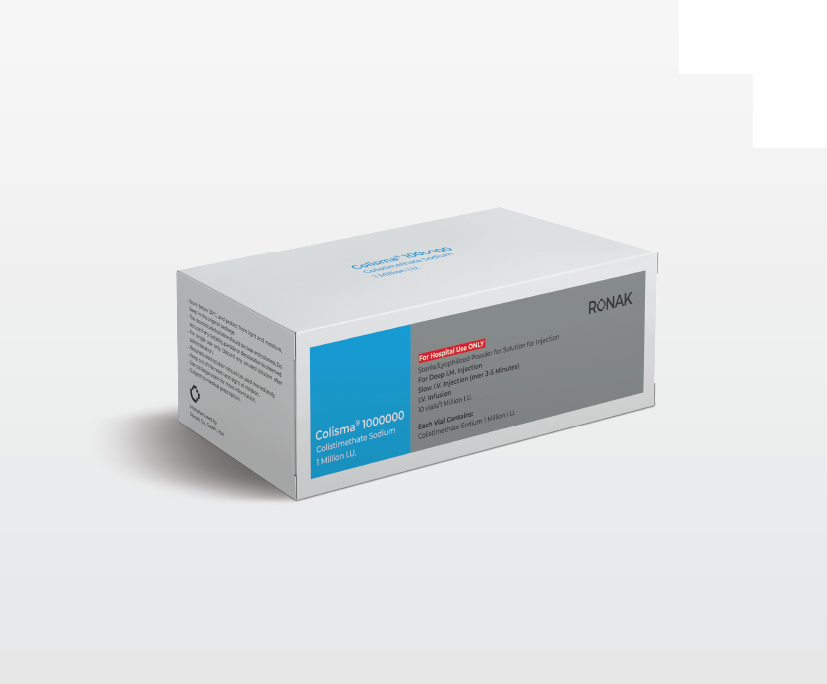


®روفند حقن
روفند®
اسم الجينيريك: فوريكونازول
شكل الجرعات: ٢٠٠ مليغرام بودرة مجففة لتحضير محلول للحقن
الفئة الدوائية: دواء مضاد للفطريات
دواعي الاستخدام: يُستخدم هذا الدواء لعلاج الالتهابات الفطرية المختلفة، بما في ذلك الالتهابات الجلدية، التنفسية، الكلوية، البطنية والدموية.
روفند®
روفند® (فوريكونازول) هو دواء مضاد للفطريات واسع الطيف من فئة التريازول. يعمل هذا الدواء على خفض إنتاج الإرغوستيرول، ومع تثبيط تكوين الغشاء الخلوي للفطريات يؤدي إلى موتها.
دواعي الاستخدام لروفند®
علاج الالتهابات الناجمة عن الفطريات مثل الأسبرجيلوس، البلاستومايسيس، وغيرها.
علاج عدوى الكانديدا مثل العدوى المنتشرة في الجلد والبطن، دخول العدوى إلى مجرى الدم، انخراط القلب، داء المبيضات المريئي والعيني.
علاج الالتهابات الفطرية الشديدة الناجمة عن السودوسبوريوم وأنواع الفيوزاريوم في المرضى غير القادرين على استخدام الأدوية الأخرى أو المقاومين لها.
الوقاية من الالتهابات الفطرية العدوانية
شكل الجرعة لروفند®
200 مليغرام بودرة مجففة لتحضير محلول للحقن
طريقة تحضير روفند®
أضف 19 مليلتر من الماء المقطر للحقن إلى محتويات فيال روفند® حتى تذوب البودرة بالكامل. كل مليلتر من المحلول الحاصل يحتوي على 10 مليغرام من فوريكونازول.
لا تقم بحقن المحلول المحضّر قبل التخفيف. يجب تخفيف المحلول المحضر بتركيز من 0.5 إلى 5 مليغرام لكل مليلتر في مذيبات متوافقة.
يمكن تخفيف المحلول المحضر في إحدى المذيبات التالية:
كلوريد الصوديوم 0.9% أو 0.45%
رينجر لاكتات
ديكستروز 5% في رينجر لاكتات
ديكستروز 5% وكلوريد الصوديوم 0.45% أو 0.9%
ديكستروز 5%
طريقة وجرعة حقن روفند®
روفند® مخصص فقط للحقن الوريدي المستمر؛ تجنب حقن البولوس الوريدي.
يجب أن يُضخ المحلول النهائي لمدة ما بين 1-2 ساعة وبأقصى سرعة 3 مليغرام لكل كيلوغرام في الساعة.
هذه المستحضرة للاستخدام مرة واحدة فقط. تخلص من باقي الدواء بعد الاستخدام.
الأمور التي تتطلب مراقبة أثناء استخدام فوريكونازول
يجب ضبط مستويات الإلكتروليتات المصلية، وخاصة البوتاسيوم والمغنيسيوم والكالسيوم قبل تناول الدواء ومراقبتها خلال العلاج.
يجب مراقبة الوظائف الكلوية (خاصة كرياتينين المصل) والكبدية قبل بدء العلاج وأثناء المعالجة بفوريكونازول.
أداء البنكرياس
فحص كامل للجلد
قد يكون من الضروري مراقبة تركيز الدواء في الدم فوراً قبل إعطاء الجرعة التالية.
الحالة البصرية (خاصة مجال الرؤية وإدراك الألوان) في العلاجات التي تزيد عن 28 يوماً
السمية الضوئية خاصة لدى الأطفال
موانع استخدام فوريكونازول
الحساسية تجاه فوريكونازول أو أي من مكونات الصيغة
الاستخدام المتزامن مع أدوية باربيتيورات طويلة المفعول، ألبرازولام، أميودارون، أبريبتيانت، دوكسوروبيسين، دومبيريدون، كاربامازيبين، سيسابرايد، الإفافيرينز أو الريتونافير، الإرجوتامين، إيفابرادين، لورازيدون، كاربامازيبين، بيموزيد، كينيدين، الريفامبين، الريفابوتين، سيروليموس، نبتة العرن المثقوب، تولفابتان، فينوباربيتال، لوفيستاتين، ميدازولام، سيمفاستاتين وتريازولام
تحذيرات واحتياطات استخدام فوريكونازول
يؤدي الاستخدام المتزامن لفوريكونازول مع أدوية الكورتيكوستيرويدات (مثل بريدنيزولون ودكساميثازون) إلى زيادة احتمال حدوث متلازمة كوشينغ. في حالة وجود أعراض مثل زيادة غير طبيعية في الوزن، تجمع الدهون حول الوجه أو أسفل الرقبة، ترقق الجلد، التعرق المفرط أو ظهور كدمات بسرعة، اتصل بطبيبك.
يجب على المرضى خلال العلاج بهذا الدواء تجنب التعرض لأشعة الشمس المباشرة واستخدام ملابس واقية وواقي شمس عالي الحماية من نوع SPF.
يجب إصلاح اختلال توازن الإلكتروليتات (مثل نقص الكالسيوم، المغنيسيوم أو البوتاسيوم) قبل بدء العلاج وأثناءه.
يجب استخدام هذا الدواء بحذر في حالات القصور الكبدي والكلوي وقد يلزم تعديل الجرعة.
في حالة حدوث تفاعلات حساسية واسعة النطاق مع أعراض مثل احمرار، تورم، فقاعات وتقشير الجلد، احمرار العين أو جروح في الفم، الحلق، الأنف أو العين، حمى، قشعريرة أو ضيق في التنفس، توجه إلى مرافق العلاج فوراً.
يجب استخدام هذا الدواء بحذر في المرضى الذين لديهم أمراض هيكلية في القلب أو متلازمة QT. في حالة حدوث تسارع أو عدم انتظام ضربات القلب أو الإغماء، اتصل بطبيبك.
في حالة الشعور بألم في العظام أو تغيير في الرؤية، اتصل بطبيبك.
يتميز فوريكونازول بحركيات الدواء غير الخطية، لذا يجب مراقبة المريض تحسباً لظهور علامات التسمم.
استخدام فوريكونازول أثناء الحمل والرضاعة
لا يُنصح باستخدام فوريكونازول أثناء الحمل والرضاعة.
الآثار الجانبية لفوريكونازول
قد يسبب كل دواء، إلى جانب آثاره المرجوة، بعض الآثار الجانبية غير المرغوبة؛ لكن هذه الآثار ليست مرئية في جميع الأفراد. ومن الآثار الجانبية الشائعة لهذا الدواء:
صداع أو دوار
غثيان، قيء، إمساك، إسهال وآلام في البطن
أعراض شبيهة بالبرد
تفاعلات جلدية
زيادة مستويات إنزيمات الكبد
إصابة الكلى الحادة
آثار قلبية وعائية
آثار بصرية وعصبية
التداخلات الدوائية لفوريكونازول
استشر طبيبك أو الصيدلي بخصوص تناول فوريكونازول مع أدوية أو مكملات أخرى.
تغليف روفند®
تحتوي كل عبوة على 1 قنينة روفند®.
ظروف تخزين روفند®
يجب تخزين الدواء في درجات حرارة أقل من 30 درجة مئوية، بعيداً عن الضوء والرطوبة.
الدواء صالح للاستخدام حتى نهاية الشهر المذكور في تاريخ انتهاء الصلاحية على العبوة. تجنب استخدام أو تخزين الأدوية منتهية الصلاحية.
احتفظ بالدواء بعيداً عن متناول الأطفال.
احتفظ بالدواء في عبوته الأصلية حتى يتم استخدامه.
المراجع
Voriconazole: Drug information, UpToDate 2025
http://www.medicines.org.uk/emc/product/7324/smpc
Rofend® is a broad-spectrum antifungal medicine from the triazole class. It reduces ergosterol production and causes fungal cell death by inhibiting formation of the fungal cell membrane.
- Treatment of infections caused by fungi such as Aspergillus, Blastomyces, and others
- Treatment of infections caused by Candida, including disseminated skin and abdominal infections, bloodstream infection, cardiac involvement, esophageal candidiasis, and ocular candidiasis
- Treatment of severe fungal infections caused by Scedosporium and Fusarium species in patients who cannot use other medicines or are resistant to them
- Prevention of invasive fungal infections
200 mg lyophilized powder for preparation of injectable solution.
Add 19 mL of sterile water for injection to the contents of the Rofend® Injection vial until the powder is completely dissolved. Each milliliter of the resulting solution contains 10 mg Voriconazole.
Never inject the prepared solution before dilution. The resulting solution must be diluted in compatible diluents to a concentration of 0.5 to 5 mg/mL.
The prepared solution may be diluted in the following diluents:
- 0.9% or 0.45% sodium chloride
- Lactated Ringer’s solution
- 5% dextrose in Lactated Ringer’s solution
- 5% dextrose with 0.45% or 0.9% sodium chloride
- 5% dextrose
Rofend® Injection is for intravenous infusion only; do not administer it as an intravenous bolus injection.
The final solution should be infused over 1 to 2 hours, at a maximum rate of 3 mg/kg/hour.
This product is for single use only. Discard any remaining medicine after use.
- Serum electrolyte levels, especially potassium, magnesium, and calcium, should be corrected before administration and monitored during treatment.
- Kidney function, especially serum creatinine, and liver function should be monitored before starting and during treatment with Voriconazole.
- Pancreatic function
- Full-body skin examination
- Blood concentration monitoring immediately before the next dose may be required.
- Vision status, especially visual field and color perception, during treatments longer than 28 days
- Photosensitivity, especially in children
- Hypersensitivity to Voriconazole or to any component of the formulation
- Concomitant use with medicines such as long-acting barbiturates, alprazolam, amiodarone, aprepitant, doxorubicin, domperidone, carbamazepine, cisapride, efavirenz or ritonavir, ergotamine, ivabradine, lurasidone, pimozide, quinidine, rifampin, rifabutin, sirolimus, St. John’s wort, tolvaptan, phenobarbital, lovastatin, midazolam, simvastatin, and triazolam
- Concomitant use of Voriconazole with corticosteroids, such as prednisolone and dexamethasone, may increase the risk of Cushing’s syndrome. Contact your physician if symptoms occur, such as abnormal weight gain, fat accumulation on both sides of the face or lower neck, thinning of the skin, excessive sweating, or easy bruising.
- During treatment, patients should avoid direct sunlight and use protective clothing and high-SPF sunscreen.
- Electrolyte imbalances, such as low calcium, magnesium, or potassium, should be corrected before starting and during treatment.
- This medicine should be used with caution in liver or kidney impairment, and dose adjustment may be needed.
- Seek medical care immediately if widespread hypersensitivity reactions occur, with symptoms such as redness, swelling, blistering or peeling of the skin, eye redness, sores in the mouth, throat, nose, or eyes, fever, chills, or shortness of breath.
- This medicine should be used with caution in patients with structural heart disease or long-QT syndrome. Contact your physician if you experience fast or abnormal heartbeat or fainting.
- Contact your physician if you experience bone pain or changes in vision.
- Voriconazole has nonlinear pharmacokinetics; therefore, patients should be monitored for signs of toxicity.
Use of Voriconazole during pregnancy and breastfeeding is not recommended.
Like all medicines, Voriconazole may cause unwanted side effects along with its desired therapeutic effects, although not everyone experiences them. More common possible side effects include:
- Headache or dizziness
- Nausea, vomiting, constipation, diarrhea, and abdominal pain
- Flu-like symptoms
- Skin reactions
- Increased liver enzyme levels
- Acute kidney injury
- Cardiovascular effects
- Eye and nervous-system adverse effects
Consult your physician or pharmacist about using Voriconazole together with other medicines or supplements.
Each package contains 1 vial of Rofend® Injection.
- Store below 30°C, protected from light and moisture.
- The medicine may be used until the end of the month stated in the expiry date on the package. Do not use or store expired medicines.
- Keep the medicine out of the reach of children.
- Keep the medicine in its original packaging until use.
- Voriconazole: Drug information, UpToDate 2025
- Medicines.org.uk product information for Voriconazole.