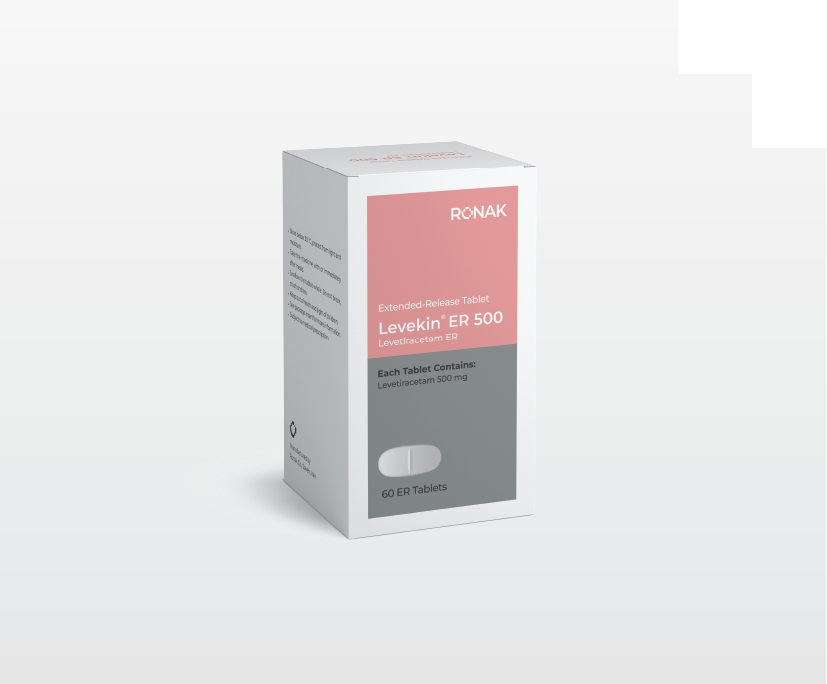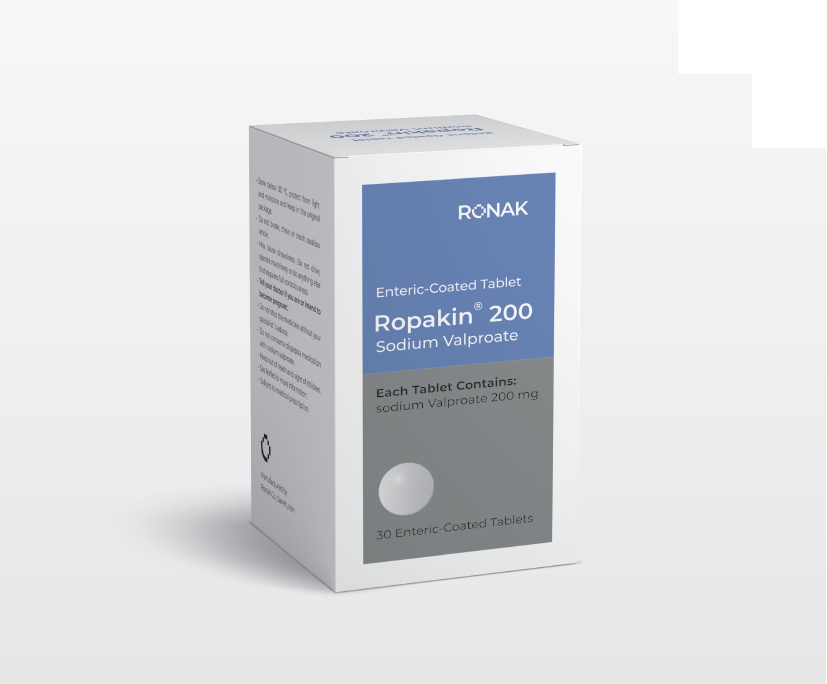


Vigasep®
Generic Name: Vigabatrin
Dosage Form: 500 mg Tablets
Pharmacological Class: Antiepileptic Agent
Indications: This medication is used for the management of treatment-resistant seizures.
Vigasep® is an antiepileptic medication that increases brain levels of the neurotransmitter GABA by irreversibly inhibiting the enzyme gamma-aminobutyric acid transaminase (GABA-T).
- Refractory Complex Partial (Focal) Seizures
- Infantile Spasms
500 mg Tablets
- Take Vigasep® exactly as prescribed by your physician, with or without food.
- Do not discontinue treatment without consulting your physician, even if you feel better.
If you miss a dose, it is advisable to inform your physician. Take the missed dose as soon as you remember. If it is almost time for your next scheduled dose, skip the missed dose and continue with your regular dosing schedule. Do not take two doses at the same time or an extra dose to compensate for a missed dose.
In the event of an overdose, contact your physician immediately.
- Comprehensive ophthalmologic examinations, including visual acuity and visual field assessment with interpretation of visual field testing and indirect retinal ophthalmoscopy, should be performed by an ophthalmologist within 4 weeks of treatment initiation, every 3 months during treatment, and again 3–6 months after discontinuation.
- Patients should be monitored for excessive sedation, particularly during treatment initiation and dose escalation.
- Hemoglobin and hematocrit levels should be monitored.
- Patients should be monitored for weight gain and edema.
- Patients should be observed for depression, suicidal ideation, and unusual behavioral changes.
Avoid the use of this medication in patients with:
- Hypersensitivity to vigabatrin
- Pregnancy
- Breastfeeding
- If no clinically significant benefit is observed after treatment initiation (within 2–4 weeks for infantile spasms and within 3 months for refractory complex partial seizures), continuation of therapy should be reconsidered.
- There is a risk of permanent vision loss or visual impairment, particularly with increasing cumulative doses. Therefore, vigabatrin should be avoided in patients at high risk of vision loss or in those receiving medications associated with significant ocular adverse effects (e.g., glaucoma therapies). Consult your physician immediately if visual disturbances occur.
- Vigabatrin may cause drowsiness. If this occurs, avoid driving or engaging in activities requiring mental alertness.
- Inform your physician if you experience numbness, tingling of the toes, or loss of reflexes.
- Consult your physician or pharmacist before taking vigabatrin during pregnancy or breastfeeding.
- Use during pregnancy may result in congenital malformations, including cardiac defects, limb abnormalities, renal malformations, and ear abnormalities.
- Breastfeeding is not recommended during treatment with vigabatrin.
Like all medicines, Vigasep® may cause side effects, although not everybody experiences them. Possible adverse reactions include:
- Dizziness, drowsiness, fatigue, and weakness
- Gastrointestinal disturbances
- Urinary tract infections
- Weight gain
- Headache
- Joint and muscle pain
Consult your physician or pharmacist before taking vigabatrin concomitantly with any other medications or dietary supplements.
Each package contains 30 tablets.
- Keep out of the sight and reach of children.
- Store in a dry place at room temperature.
- The product may be used until the last day of the month indicated as the expiration date on the package.
- Do not use or store expired medicines.
- Vigabatrin: Drug information, UpToDate 2025
- https://www.drugs.com/monograph/vigabatrin.html