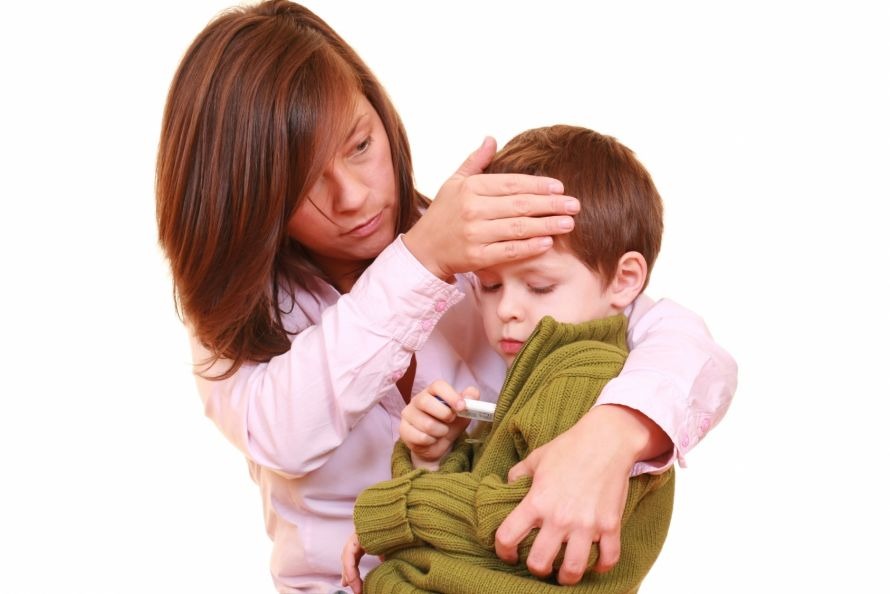


Febrile seizures and epilepsy are topics that worry many parents. Seeing a young child suddenly shake or lose awareness can be frightening. But the right information helps you stay calm and act correctly. Febrile seizures usually occur with a fever and are often harmless. Epilepsy, in contrast, is a chronic condition that requires long-term care. This guide explains causes, symptoms, diagnosis, treatment, prevention, and practical tips—clearly and simply.
Key definitions
-
Febrile seizure: Occurs in otherwise healthy children aged 6 months to 5 years and is triggered by a sudden rise in body temperature (>38°C). It often accompanies viral infections (e.g., colds, roseola) and may rarely follow vaccinations due to fever. Importantly, a febrile seizure does not mean the child has epilepsy; most children go on to live normal, healthy lives.
-
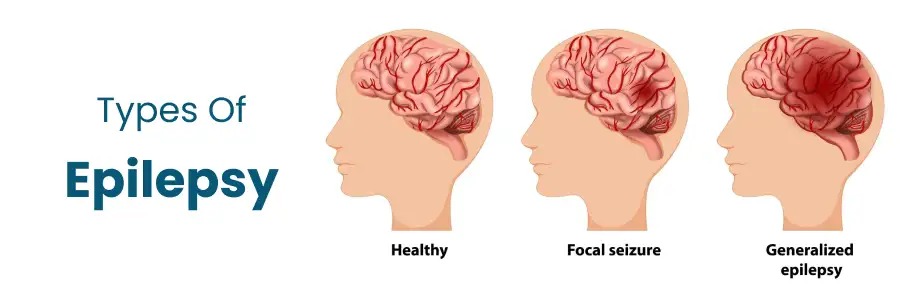
Epilepsy: A brain disorder causing recurrent unprovoked seizures (not triggered by fever). Epilepsy is usually considered when a child has at least two unprovoked seizures and needs longer-term medical evaluation and management.
The key difference
Febrile seizures always occur with fever and are usually limited to a few episodes in early childhood. Epileptic seizures can occur without fever and tend to recur. Research shows febrile seizures do not by themselves turn into epilepsy. Children with a history of febrile seizures have a slightly higher future risk of epilepsy than peers, but the overall risk is low (under 5%).
Causes
-
Febrile seizures: Directly related to a rapid rise in body temperature. Most often due to viral or bacterial infections; genetics can contribute—children whose parents had febrile seizures are at higher risk. Peak risk is 12–18 months of age.
-
Epilepsy: Broader causes. Some are genetic; in about half, the exact cause is unknown. Perinatal brain injury (e.g., low oxygen), brain infections (meningitis, encephalitis), and significant head trauma are known causes. Triggers like sleep deprivation, stress, or flashing lights can provoke seizures in susceptible children but are not root causes.
Symptoms
-
Febrile seizures: Sudden shaking or stiffening; brief loss of awareness is common. They are classified as simple (lasts <15 minutes, does not recur within 24 hours) or complex (longer, focal movements, or recurs within 24 hours). They often occur within the first 24 hours of fever and can be the first sign of illness.
-
Epilepsy: Symptoms vary by type. Absence: brief staring and rapid blinking. Tonic–clonic: stiffening followed by rhythmic jerking, sometimes with bladder loss. Some children experience an aura (sudden fear, unusual smell) before a seizure.
Diagnosis
-
Febrile seizures: Usually diagnosed by history and exam. Always seek medical care after a first seizure. Call emergency services if a seizure lasts >5 minutes.
-
Epilepsy: Requires further tests—EEG (brain waves), MRI (brain structure), and sometimes blood tests. Early diagnosis enables faster, tailored treatment.
Treatment
-
Febrile seizures: Focus on fever control. Acetaminophen or ibuprofen can reduce fever but do not always prevent seizures. In recurrent or prolonged events, a doctor may prescribe short-term rescue medication (e.g., diazepam). Long-term anti-seizure therapy is usually not needed.
-
Epilepsy: Anti-seizure medications are first-line and fully control seizures in over half of children. If medications fail, options include surgery (removal of a seizure focus) or neuromodulation (e.g., vagus nerve stimulation). Keeping a seizure diary and avoiding triggers support better control.
Prevention
-
Febrile seizures: On-time vaccination and prompt treatment of infections help. Febrile seizures typically do not cause brain damage and are often self-limited, though they can recur.
-
Epilepsy: Requires long-term care. Prevention focuses on reducing risks of brain injury and managing co-existing issues. Possible complications include learning difficulties or mood disorders, but with proper care many children live normal, active lives; some improve during adolescence.
Practical first-aid tips for parents
-
Place the child on their side to keep the airway clear.
-
Clear the area of hard/sharp objects; time the seizure.
-
Do not put anything in the child’s mouth.
-
After the seizure, control fever and see a doctor.
-
For children with epilepsy, ensure safety planning for activities (e.g., supervised swimming). Emotional support from family reduces stress and improves quality of life.
Bottom line
Febrile seizures are usually temporary and benign; epilepsy is chronic but manageable with medication and care. Knowledge and calm action help parents handle events safely. When in doubt, consult your pediatrician/neurologist—being prepared reduces fear and ensures the best care for your child.