

Epilepsy is a neurological condition marked by sudden seizures that affect daily life. But it’s not only the seizures that hurt—people with epilepsy may also struggle with loneliness, stress, or sadness. Feeling unable to do everyday activities makes emotional support especially important. Support can come from family, friends, or even peers who also live with epilepsy. It helps people cope and improves quality of life. This guide explains what emotional support looks like and how it can help.
Family support: the first refuge
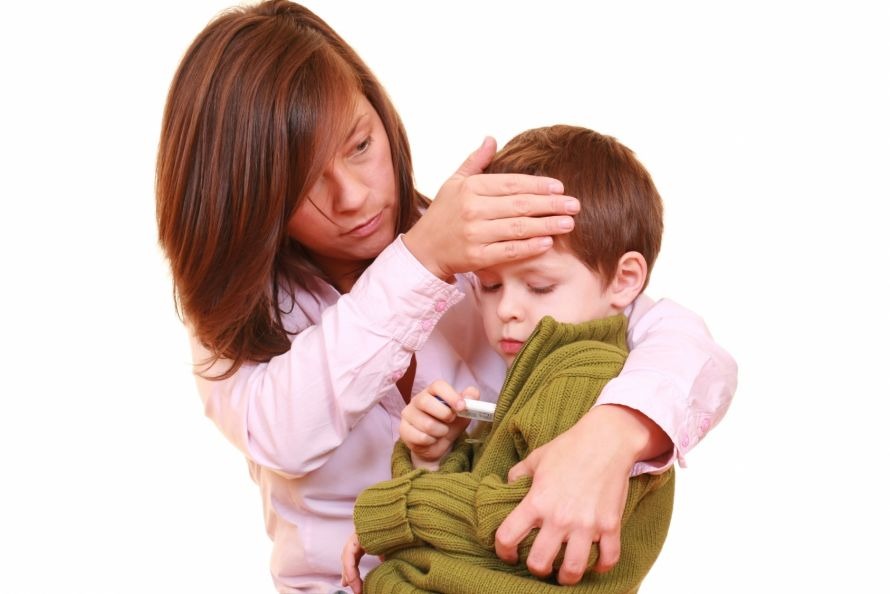
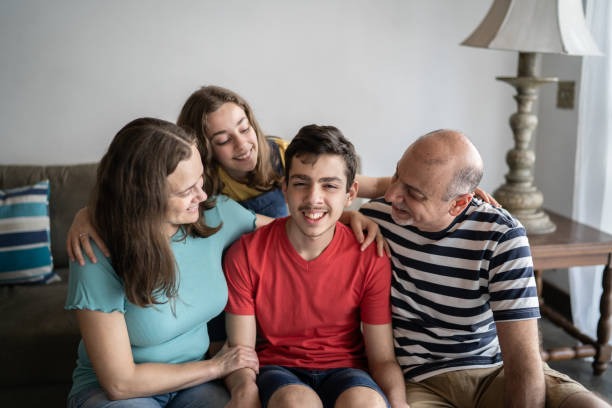
Family is the first and strongest pillar of support. A warm smile or kind conversation after a hard day is emotional support in action. Studies show that when people with epilepsy feel their family stands with them, they have less depression and better life quality. Listening, attending medical visits together, and helping reduce stress all build empathy and support. Families may feel tired or unsure how to help—counseling can be very useful.
Support from friends and the community
Friends and community members can offer support through friendly conversations and shared activities. Positive interactions—laughing together, spending time—send the message: “You’re not alone.” Friends can talk through challenges or invite the person out; such actions help them feel active and included rather than sidelined by illness.
Peer support
Young people with epilepsy may feel misunderstood because their peers don’t share their experience. Peer support—connecting with others who have epilepsy—can help. Talking with peers (online groups, in-person meetups, shared stories) reduces loneliness and teaches practical coping strategies.
How emotional support helps
Emotional support is like a light in the dark. It can reduce depression, boost confidence, and improve medication adherence. A person might, for example, accept safer choices (like pausing driving) with family encouragement—without shame. Peer conversations can reveal helpful stress-management tools.
How to strengthen support
-
Families: listen, accompany to appointments, validate feelings.
-
Friends: check in, invite for a walk or coffee, include them in plans.
-
Young people: join moderated support groups (online or local) with professional guidance.
The goal is to help people with epilepsy feel part of a caring community.
Bottom line
Emotional support is like an over-the-counter remedy that helps people live with epilepsy—whether it comes from family, friends, or peers. If you know someone living with epilepsy, a small step—an empathetic conversation—can make their world kinder and safer.