


Epilepsy is one of the most common neurological disorders in the world, affecting millions of people. If you or someone close to you has epilepsy, you may wonder: “Is epilepsy genetic?” The answer is that genetics often play a significant role—but not always through direct inheritance from parents. Sometimes, genetic changes occur spontaneously in an individual and increase the likelihood of developing epilepsy. This article explains the topic in simple terms.
What Is Epilepsy?
Epilepsy is a brain disorder that causes recurrent seizures. Seizures occur when electrical activity in the brain suddenly becomes abnormal. The intensity of seizures can vary—from brief moments of staring to severe full-body convulsions.
The Role of Genetics
Research shows that approximately 30–40% of epilepsy cases have a genetic origin. Mutations in a person’s DNA can affect how certain brain proteins function. For instance, mutations in genes responsible for ion channels (which regulate electrical signals in the brain) or metabolic pathways can increase the risk of seizures. These genetic changes may be inherited from parents or appear de novo (spontaneously) in a child.
However, not all cases of epilepsy are genetic. Many children and adults develop epilepsy due to other factors, such as birth injuries, head trauma, stroke, or infections like meningitis. Therefore, epilepsy is considered a multifactorial disorder, meaning it results from a combination of genetic and environmental factors.
Types of Genetic Epilepsy
Epilepsy related to genetic changes covers a wide range. One common type is idiopathic epilepsy, where no cause other than genetic factors is identified. For example, childhood absence epilepsy and juvenile myoclonic epilepsy (JME) often have a genetic basis.
Genetic epilepsy may be:
-
Monogenic (caused by a single gene mutation), where inheritance is straightforward.
-
Polygenic (involving multiple genes), where several genes and environmental influences contribute.
Genetic changes can appear in two ways:
-
Inherited from parents.
-
De novo, meaning they develop spontaneously in the child without family history.
The inheritance pattern also varies:
-
In dominant inheritance, a single defective gene copy (from one parent) is enough to cause the condition.
-
In recessive inheritance, two defective gene copies (one from each parent) are required. This is more common in families with consanguineous marriages.
-
Some cases have complex inheritance, involving multiple genetic and environmental factors.
Studies suggest that up to 70% of epilepsy cases in children may have a genetic basis—especially when accompanied by developmental disorders such as autism. However, not all epilepsy is inherited. For example, only about 1.2% of the U.S. population has epilepsy, and in roughly half of those cases, the exact cause remains unknown, although genetics often play a key role.
Non-genetic risk factors—such as maternal smoking during pregnancy or prenatal infections—can also increase the likelihood of epilepsy.
Risk Factors for Genetic Epilepsy
The strongest risk factor is a family history of epilepsy. If a parent or sibling has epilepsy, the risk for the child increases two- to fourfold. Some genetic disorders, such as Down syndrome, also raise the risk. While 30–40% of epilepsy cases are genetic, only a small portion are directly inherited; many are de novo. Genetic epilepsy typically appears in childhood or adolescence.
Diagnosis
To diagnose epilepsy, doctors use several tools:
-
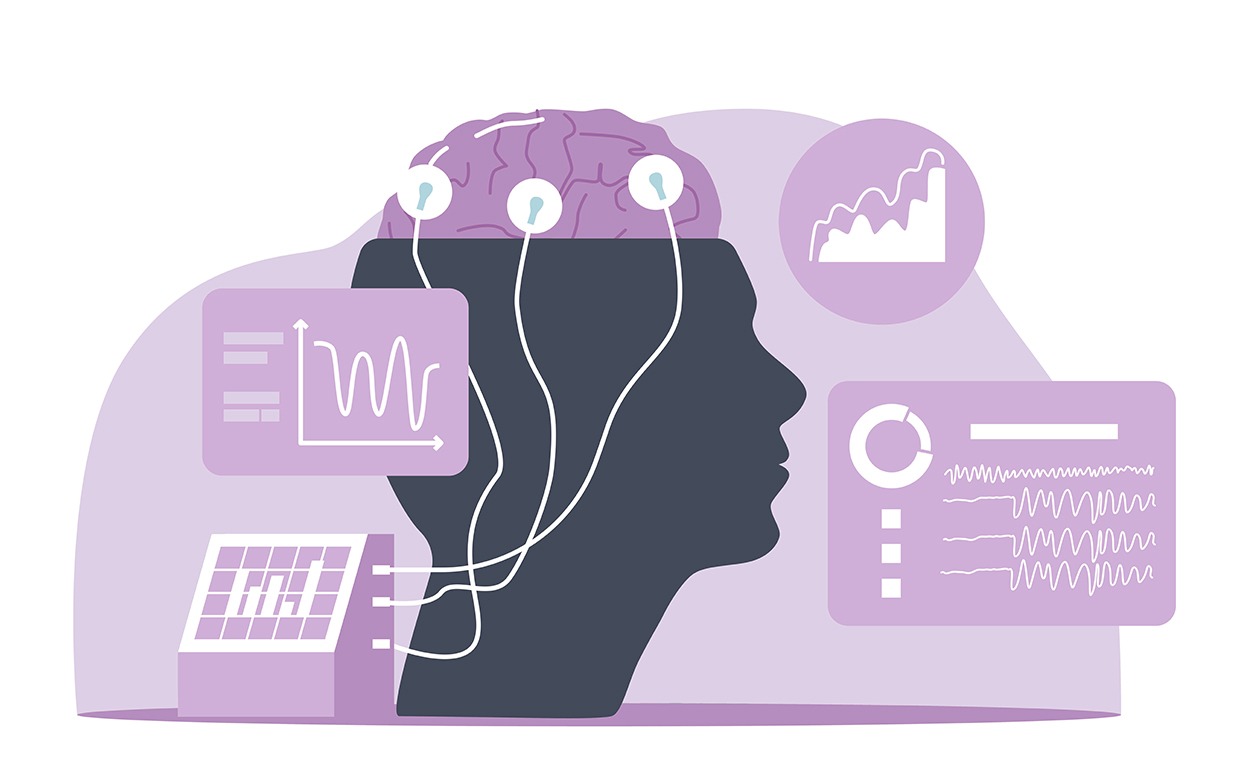
EEG (Electroencephalogram): to measure brainwave activity.
-
MRI: to check for brain structure abnormalities.
-
Family history: to identify genetic patterns.
If a genetic cause is suspected, genetic testing (such as DNA sequencing) can detect mutations linked to epilepsy. This is especially useful for cases resistant to treatment or accompanied by other neurological symptoms. Genetic testing not only confirms diagnosis but also guides more personalized treatment.
Treatment
Treatment for genetic epilepsy often mirrors other types of epilepsy: anti-seizure drugs remain the cornerstone. More than half of patients achieve good control with medication. In certain cases, targeted approaches can help—for example, ketogenic diets or specific supplements for metabolic forms of epilepsy. Ongoing research into gene therapy aims to correct mutations, though it’s still experimental. Lifestyle management—avoiding triggers like lack of sleep or flashing lights—and psychological support are also important.
Prevention
Preventing genetic epilepsy is challenging since genes cannot be altered. However, genetic counseling before pregnancy helps families assess risks. For families with a history of epilepsy, genetic screening can be beneficial.
Complications
Potential complications include learning difficulties, depression, or recurrent seizures. Fortunately, with proper treatment, many people with genetic epilepsy lead normal, active lives. Some genetic epilepsies even improve with age.
Conclusion
Epilepsy often has a genetic basis, but that doesn’t mean it’s always inherited or inevitable. Understanding the genetic role helps achieve more accurate diagnoses and tailored treatments. If you’re concerned about inheritance or testing, consult a neurologist or genetic specialist for guidance.