




Ronofage®
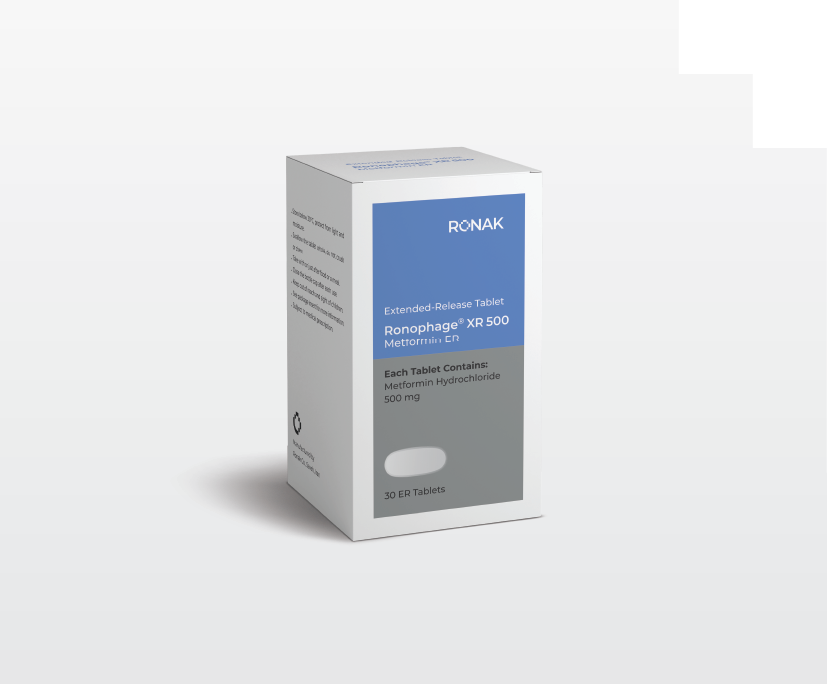
Ronophage® XR
Generic Name: Metformin Hydrochloride
Dosage Form: Extended-release coated tablets 500 mg
Pharmacological Class: Antidiabetic
Indications:
Ronophage® XR is used to control blood sugar in patients with Type 2 Diabetes. It works by:
- Reducing glucose production in the liver
- Decreasing intestinal glucose absorption
- Increasing insulin sensitivity
This medication is also useful in conditions like Polycystic Ovary Syndrome (PCOS).
Indications for Use:
- Prevention and treatment of Type 2 Diabetes
- Treatment of gestational diabetes
- Prevention of ovarian hyperstimulation in patients with Polycystic Ovary Syndrome (PCOS)
- Assisting in weight reduction following the use of antipsychotic medications
Dosage Forms:
- Extended-release coated tablet 500 mg
Dosage and Administration:
- Take Ronophage® XR as prescribed by your doctor. To achieve the best therapeutic response, avoid reducing or increasing the dose or duration of treatment without consulting your doctor.
- Take Ronophage® XR with a full glass of water, along with meals.
- Do not chew, crush, or split the tablets. Swallow them whole.
Missed Dose:
- If you miss a dose, do not take two doses at once unless your doctor has recommended otherwise. Skip the missed dose if it's almost time for your next dose.
Overdose:
- If you take more than the recommended dose, contact your doctor immediately or visit a healthcare facility.
Monitoring During Treatment:
The following parameters should be monitored during Ronophage® XR treatment:
- Blood glucose and HbA1c levels
- Glucose and ketone levels in urine
- Liver and kidney function (before starting and during treatment)
- Blood parameters like hemoglobin, hematocrit, and red blood cell indices
- Vitamin B12 levels
- Folate levels in cases of megaloblastic anemia
Contraindications:
Ronophage® XR should not be used in patients with the following conditions:
- History of allergy to metformin or any other components of the formulation
- Severe liver or kidney dysfunction
- Acute or chronic metabolic acidosis (including diabetic ketoacidosis or lactic acidosis)
- Type 1 Diabetes
- Excessive alcohol consumption
- Use of iodinated contrast agents for radiology
- Cardiovascular collapse or conditions associated with decreased oxygen supply
- Severe dehydration
- Conditions such as severe infection, trauma, or surgery
Warnings and Precautions:
- There is a risk of metabolic acidosis, particularly in elderly patients, those with a history of alcohol use, patients requiring radiological imaging with contrast agents, those who have had bariatric surgery, and individuals with severe liver or kidney dysfunction. Symptoms of metabolic acidosis include vomiting, abdominal pain, muscle cramps, fatigue, difficulty breathing, reduced body temperature, and slow heart rate. Contact your doctor immediately if you experience these symptoms.
- Use metformin with caution in patients with heart failure. Inform your doctor if you have heart failure.
- Metformin use in patients with liver or kidney failure should be carefully monitored. Dosage adjustments may be required. Inform your doctor if you have a history of these conditions.
- If you need to undergo imaging with contrast agents, inform your doctor about your metformin use.
- If you experience stress due to fever, trauma, or infection, your doctor may stop metformin and switch to insulin.
- Hypoglycemia (low blood sugar) is unlikely with metformin alone but may occur when combined with other blood glucose-lowering drugs. Monitor for hypoglycemic symptoms and seek medical attention if they occur.
- Long-term use of metformin may lead to vitamin B12 deficiency. Consult your doctor about taking vitamin B12 supplements.
- If you are having surgery, inform your doctor about your metformin use.
- This medication can cause gastrointestinal side effects such as diarrhea, nausea, bloating, and indigestion. If these symptoms become severe, inform your doctor and avoid suddenly stopping the medication.
Use in Pregnancy and Breastfeeding:
- Metformin may pass through the placenta and could be excreted in breast milk. If you are pregnant, breastfeeding, or planning to become pregnant, consult your doctor before using this medication.
Side Effects:
As with all medications, Ronophage® XR may cause some side effects, though not everyone will experience them. Potential side effects include:
- Gastrointestinal issues: abdominal pain, bloating, heartburn, diarrhea, nausea, and vomiting
- Weakness and fatigue
- Headache
Drug Interactions:
Consult your doctor or pharmacist before using Ronophage® XR in combination with other medications or supplements.
Packaging:
Each package contains 100 tablets (10 blister packs of 10 tablets each).
Storage Conditions:
- Store at room temperature (below 30°C), away from light and moisture.
- Do not use the drug after the expiration date printed on the packaging.
- Keep out of reach of children.
- Do not remove the medication from the original packaging before use.
References:
- Metformin: Drug information, UpToDate 2025
- Medicines.org.uk
Ronophage® XR
Generic Name: Metformin Hydrochloride
Dosage Form: Extended-release coated tablets 500 mg
Pharmacological Class: Antidiabetic
Indications:
Ronophage® XR is used to control blood sugar in patients with Type 2 Diabetes. It works by:
- Reducing glucose production in the liver
- Decreasing intestinal glucose absorption
- Increasing insulin sensitivity
This medication is also useful in conditions like Polycystic Ovary Syndrome (PCOS).
Indications for Use:
- Prevention and treatment of Type 2 Diabetes
- Treatment of gestational diabetes
- Prevention of ovarian hyperstimulation in patients with Polycystic Ovary Syndrome (PCOS)
- Assisting in weight reduction following the use of antipsychotic medications
Dosage Forms:
- Extended-release coated tablet 500 mg
Dosage and Administration:
- Take Ronophage® XR as prescribed by your doctor. To achieve the best therapeutic response, avoid reducing or increasing the dose or duration of treatment without consulting your doctor.
- Take Ronophage® XR with a full glass of water, along with meals.
- Do not chew, crush, or split the tablets. Swallow them whole.
Missed Dose:
- If you miss a dose, do not take two doses at once unless your doctor has recommended otherwise. Skip the missed dose if it's almost time for your next dose.
Overdose:
- If you take more than the recommended dose, contact your doctor immediately or visit a healthcare facility.
Monitoring During Treatment:
The following parameters should be monitored during Ronophage® XR treatment:
- Blood glucose and HbA1c levels
- Glucose and ketone levels in urine
- Liver and kidney function (before starting and during treatment)
- Blood parameters like hemoglobin, hematocrit, and red blood cell indices
- Vitamin B12 levels
- Folate levels in cases of megaloblastic anemia
Contraindications:
Ronophage® XR should not be used in patients with the following conditions:
- History of allergy to metformin or any other components of the formulation
- Severe liver or kidney dysfunction
- Acute or chronic metabolic acidosis (including diabetic ketoacidosis or lactic acidosis)
- Type 1 Diabetes
- Excessive alcohol consumption
- Use of iodinated contrast agents for radiology
- Cardiovascular collapse or conditions associated with decreased oxygen supply
- Severe dehydration
- Conditions such as severe infection, trauma, or surgery
Warnings and Precautions:
- There is a risk of metabolic acidosis, particularly in elderly patients, those with a history of alcohol use, patients requiring radiological imaging with contrast agents, those who have had bariatric surgery, and individuals with severe liver or kidney dysfunction. Symptoms of metabolic acidosis include vomiting, abdominal pain, muscle cramps, fatigue, difficulty breathing, reduced body temperature, and slow heart rate. Contact your doctor immediately if you experience these symptoms.
- Use metformin with caution in patients with heart failure. Inform your doctor if you have heart failure.
- Metformin use in patients with liver or kidney failure should be carefully monitored. Dosage adjustments may be required. Inform your doctor if you have a history of these conditions.
- If you need to undergo imaging with contrast agents, inform your doctor about your metformin use.
- If you experience stress due to fever, trauma, or infection, your doctor may stop metformin and switch to insulin.
- Hypoglycemia (low blood sugar) is unlikely with metformin alone but may occur when combined with other blood glucose-lowering drugs. Monitor for hypoglycemic symptoms and seek medical attention if they occur.
- Long-term use of metformin may lead to vitamin B12 deficiency. Consult your doctor about taking vitamin B12 supplements.
- If you are having surgery, inform your doctor about your metformin use.
- This medication can cause gastrointestinal side effects such as diarrhea, nausea, bloating, and indigestion. If these symptoms become severe, inform your doctor and avoid suddenly stopping the medication.
Use in Pregnancy and Breastfeeding:
- Metformin may pass through the placenta and could be excreted in breast milk. If you are pregnant, breastfeeding, or planning to become pregnant, consult your doctor before using this medication.
Side Effects:
As with all medications, Ronophage® XR may cause some side effects, though not everyone will experience them. Potential side effects include:
- Gastrointestinal issues: abdominal pain, bloating, heartburn, diarrhea, nausea, and vomiting
- Weakness and fatigue
- Headache
Drug Interactions:
Consult your doctor or pharmacist before using Ronophage® XR in combination with other medications or supplements.
Packaging:
Each package contains 100 tablets (10 blister packs of 10 tablets each).
Storage Conditions:
- Store at room temperature (below 30°C), away from light and moisture.
- Do not use the drug after the expiration date printed on the packaging.
- Keep out of reach of children.
- Do not remove the medication from the original packaging before use.
References:
- Metformin: Drug information, UpToDate 2025
- Medicines.org.uk