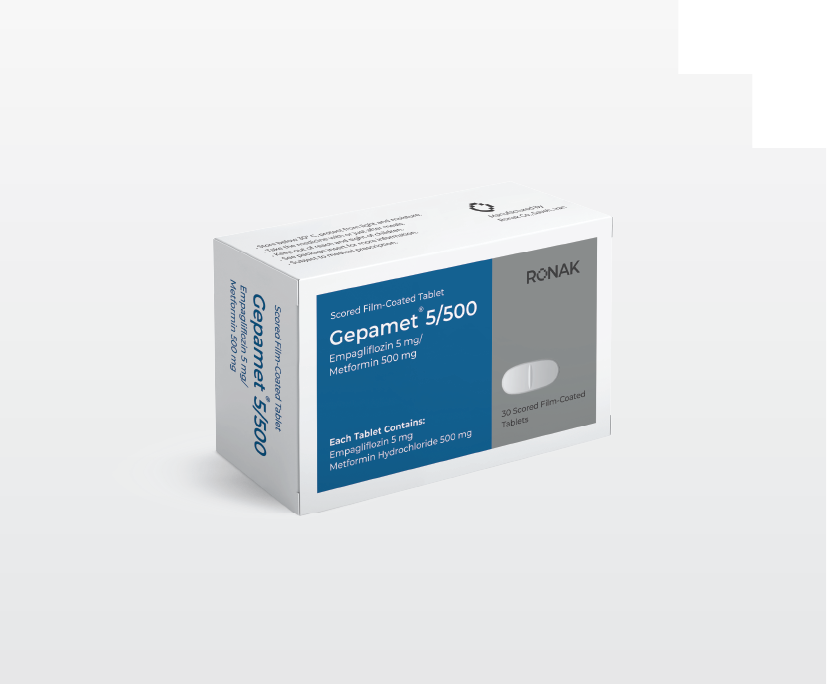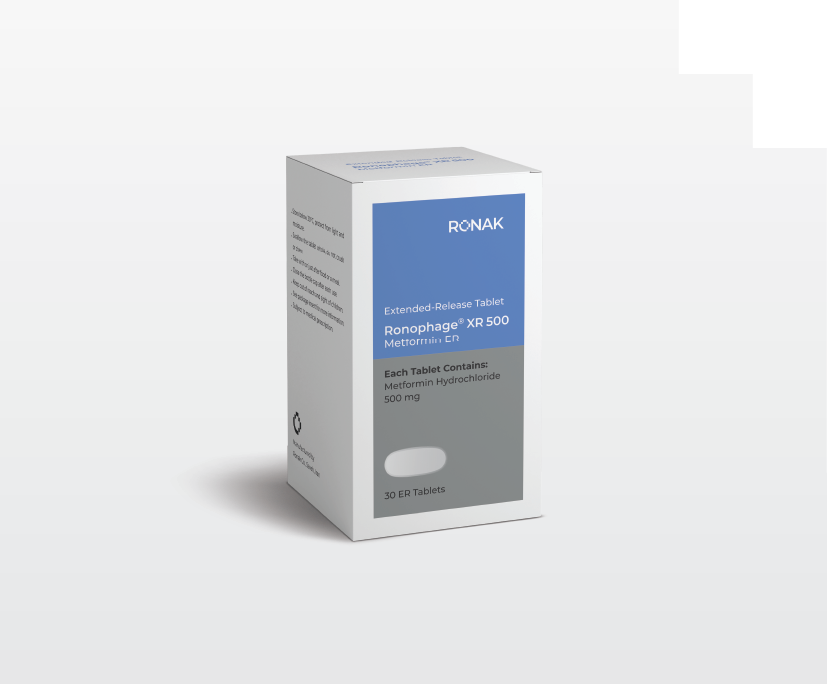





Gepamet®
Gepamet®
Active Ingredients: Empagliflozin and Metformin
Dosage Form: Extended-release tablet
Mechanism of Action:
- Empagliflozin is an SGLT2 inhibitor that prevents the reabsorption of glucose in the kidneys, helping to lower blood sugar levels.
- Metformin is a biguanide that reduces glucose production in the liver, decreases gastrointestinal absorption of glucose, and increases insulin sensitivity to prevent high blood sugar levels.
Indications:
Gepamet® is used for the treatment of Type 2 Diabetes in adults and children aged 10 years and above.
Dosage Forms:
- Extended-release tablet in the following strengths: 500/1000 mg, 1000/1000 mg, 1250/1000 mg, and 2500/1000 mg.
Dosage and Administration:
- Take Gepamet®exactly as prescribed by your doctor. If you're unsure about how to take the medication correctly, consult your doctor or pharmacist.
- Take Gepamet® once daily with breakfast.
- Do not crush, break, dissolve, or chew the tablets.
Missed Dose:
- If you miss a dose, take it as soon as you remember. If it is near the time for your next dose, skip the missed dose and do not double the dose.
Overdose:
- If you take more than the recommended dose, seek medical attention immediately. Overdose may cause low blood sugar levels. If you experience symptoms of low blood sugar (e.g., headache, drowsiness, weakness, irritability, hunger, rapid heartbeat, shaking, blurred vision, dizziness, and sweating), consume a sugary drink (like fruit juice) or a sweet food (such as sugar).
Monitoring During Treatment:
The following should be monitored during Gepamet® therapy:
- Blood glucose levels and HbA1c
- Kidney function
- Symptoms of heart failure
- Symptoms of diabetic foot infection
- Symptoms of urinary/genital infections
- Signs of ketoacidosis (e.g., nausea, vomiting, abdominal pain, weakness)
- Body volume status such as blood pressure, electrolytes, and hematocrit
- Blood parameters such as hemoglobin and hematocrit
- Vitamin B9 (folate) levels in cases of suspected megaloblastic anemia
- Vitamin B12 levels with long-term use
Contraindications:
Gepamet®should not be used in the following cases:
- Allergy to empagliflozin, metformin, or any component of the formulation
- Insulin-dependent diabetes (Type 1)
- Severe renal insufficiency or dialysis patients
- Acute or chronic metabolic acidosis
- History of diabetic ketoacidosis or lactic acidosis
- Excessive alcohol consumption (acute or chronic)
- Severe liver insufficiency or signs of liver disease
- Cardiovascular collapse or hypoxic diseases including heart failure-respiratory failure
- Near the time of iodinated contrast agent injection for radiological procedures
- Stress conditions such as severe infections, trauma, surgery, and post-surgical recovery
- Dehydration or shock
- Pregnancy and breastfeeding
Warnings and Precautions:
- Concurrent use of two or more anti-diabetic drugs, especially in combination with sulfonylureas or insulin, increases the risk of hypoglycemia. Always consult your doctor for proper dosage and the correct use of each medication.
- Overdose of Gepamet® due to metformin can lead to lactic acidosis. Conditions such as renal insufficiency, age over 65, radiological tests with contrast agents, exposure to high-pressure situations like severe infections, major surgeries, severe burns, trauma, excessive alcohol intake, and liver disorders increase the risk of lactic acidosis. Symptoms include fatigue, weakness, muscle pain, abdominal pain, rapid shallow breathing, or drowsiness, which can lead to hypothermia, hypotension, and slow heart rate. Seek medical attention immediately if these symptoms occur.
- If symptoms of ketoacidosis (e.g., nausea, vomiting, abdominal pain, fatigue, and shortness of breath) occur, seek immediate medical attention.
- Gepamet® may cause dehydration in some individuals, leading to hypotension and kidney damage. Symptoms include dizziness, weakness, lightheadedness, or fatigue. Drink plenty of water and monitor for signs of dehydration. If you are taking diuretics (e.g., furosemide, hydrochlorothiazide, or spironolactone), these symptoms may worsen. Consult your doctor if you experience these symptoms or take these medications.
- Gepamet® may increase the risk of fungal infections in the genital area. Symptoms of this infection include an unpleasant odor, abnormal discharge, itching, burning, or pain in the genital area. Consult your doctor if these symptoms appear.
- Inform your doctor if you notice symptoms of urinary tract infection (e.g., burning sensation while urinating, frequent urge to urinate, lower abdominal pain, or blood in urine). Some cases may also show fever, back pain, nausea, or vomiting.
- If you're undergoing laboratory tests for glucose in urine, inform your doctor that you're taking Gepamet®, as this may cause a positive result.
- If you have previously experienced an allergic reaction to any anti-diabetic drugs, inform your doctor.
- If you experience symptoms of pancreatitis (e.g., persistent abdominal pain), consult your doctor.
- Gepamet® can cause necrotizing fasciitis of the perineum (Fournier's gangrene) in rare cases. Contact your doctor immediately if you experience fever, fatigue, and pain in the genital-rectal area.
- To reduce the risk of ketoacidosis, it is recommended to stop taking Gepamet®three days before any surgical procedures.
- Before starting treatment, your doctor will assess risk factors for lower limb amputation such as a history of amputation, peripheral arterial disease, neuropathy, and diabetic foot ulcers. Patients should also be educated on preventive foot care.
- Long-term use of Gepamet® may reduce vitamin B12 levels. Consult your doctor if this is a concern.
Use During Pregnancy and Breastfeeding:
- Gepamet® is not recommended for individuals who are trying to get pregnant.
- Gepamet® may increase the risk of unintended pregnancy, particularly in individuals with irregular menstrual cycles. Effective contraception is recommended while taking Gepamet®
- Due to potential harm to the fetus, Gepamet® should not be used during pregnancy.
- It is unclear whether Gepamet® is excreted in breast milk. Due to potential harm to the infant, breastfeeding while using Gepamet® is not recommended.
Side Effects of Gepamet®
As with all medications, Gepamet® may cause some side effects, although not everyone will experience them. Potential side effects include:
- Hypoglycemia (low blood sugar)
- Acute kidney injury
- Increased risk of bone fractures
- Urinary and genital infections, necrotizing fasciitis
- Allergic reactions
- Low blood pressure
- Diabetic ketoacidosis
- Lactic acidosis
- Decreased vitamin B12 levels
- Back pain
- Stomach discomfort, nausea, vomiting, diarrhea
- Weakness and headaches
Drug Interactions:
Consult your doctor or pharmacist before using Gepamet® in combination with other medications or supplements.
Packaging:
Each package of Gepamet® extended-release tablets contains 30 tablets in one bottle, available in the following doses:
- 1000/500 mg
- 1000/1000 mg
- 1250/1000 mg
- 2500/1000 mg
Storage:
- Store Gepamet® below 30°C, away from light and moisture.
- Do not use after the expiration date printed on the packaging.
- Keep out of reach of children.
- Do not remove the medication from the original packaging before use.
References:
- Medicines.org.uk
- Empagliflozin and Metformin: Drug information, UpToDate 2024
Gepamet®
Active Ingredients: Empagliflozin and Metformin
Dosage Form: Extended-release tablet
Mechanism of Action:
- Empagliflozin is an SGLT2 inhibitor that prevents the reabsorption of glucose in the kidneys, helping to lower blood sugar levels.
- Metformin is a biguanide that reduces glucose production in the liver, decreases gastrointestinal absorption of glucose, and increases insulin sensitivity to prevent high blood sugar levels.
Indications:
Gepamet® is used for the treatment of Type 2 Diabetes in adults and children aged 10 years and above.
Dosage Forms:
- Extended-release tablet in the following strengths: 500/1000 mg, 1000/1000 mg, 1250/1000 mg, and 2500/1000 mg.
Dosage and Administration:
- Take Gepamet®exactly as prescribed by your doctor. If you're unsure about how to take the medication correctly, consult your doctor or pharmacist.
- Take Gepamet® once daily with breakfast.
- Do not crush, break, dissolve, or chew the tablets.
Missed Dose:
- If you miss a dose, take it as soon as you remember. If it is near the time for your next dose, skip the missed dose and do not double the dose.
Overdose:
- If you take more than the recommended dose, seek medical attention immediately. Overdose may cause low blood sugar levels. If you experience symptoms of low blood sugar (e.g., headache, drowsiness, weakness, irritability, hunger, rapid heartbeat, shaking, blurred vision, dizziness, and sweating), consume a sugary drink (like fruit juice) or a sweet food (such as sugar).
Monitoring During Treatment:
The following should be monitored during Gepamet® therapy:
- Blood glucose levels and HbA1c
- Kidney function
- Symptoms of heart failure
- Symptoms of diabetic foot infection
- Symptoms of urinary/genital infections
- Signs of ketoacidosis (e.g., nausea, vomiting, abdominal pain, weakness)
- Body volume status such as blood pressure, electrolytes, and hematocrit
- Blood parameters such as hemoglobin and hematocrit
- Vitamin B9 (folate) levels in cases of suspected megaloblastic anemia
- Vitamin B12 levels with long-term use
Contraindications:
Gepamet®should not be used in the following cases:
- Allergy to empagliflozin, metformin, or any component of the formulation
- Insulin-dependent diabetes (Type 1)
- Severe renal insufficiency or dialysis patients
- Acute or chronic metabolic acidosis
- History of diabetic ketoacidosis or lactic acidosis
- Excessive alcohol consumption (acute or chronic)
- Severe liver insufficiency or signs of liver disease
- Cardiovascular collapse or hypoxic diseases including heart failure-respiratory failure
- Near the time of iodinated contrast agent injection for radiological procedures
- Stress conditions such as severe infections, trauma, surgery, and post-surgical recovery
- Dehydration or shock
- Pregnancy and breastfeeding
Warnings and Precautions:
- Concurrent use of two or more anti-diabetic drugs, especially in combination with sulfonylureas or insulin, increases the risk of hypoglycemia. Always consult your doctor for proper dosage and the correct use of each medication.
- Overdose of Gepamet® due to metformin can lead to lactic acidosis. Conditions such as renal insufficiency, age over 65, radiological tests with contrast agents, exposure to high-pressure situations like severe infections, major surgeries, severe burns, trauma, excessive alcohol intake, and liver disorders increase the risk of lactic acidosis. Symptoms include fatigue, weakness, muscle pain, abdominal pain, rapid shallow breathing, or drowsiness, which can lead to hypothermia, hypotension, and slow heart rate. Seek medical attention immediately if these symptoms occur.
- If symptoms of ketoacidosis (e.g., nausea, vomiting, abdominal pain, fatigue, and shortness of breath) occur, seek immediate medical attention.
- Gepamet® may cause dehydration in some individuals, leading to hypotension and kidney damage. Symptoms include dizziness, weakness, lightheadedness, or fatigue. Drink plenty of water and monitor for signs of dehydration. If you are taking diuretics (e.g., furosemide, hydrochlorothiazide, or spironolactone), these symptoms may worsen. Consult your doctor if you experience these symptoms or take these medications.
- Gepamet® may increase the risk of fungal infections in the genital area. Symptoms of this infection include an unpleasant odor, abnormal discharge, itching, burning, or pain in the genital area. Consult your doctor if these symptoms appear.
- Inform your doctor if you notice symptoms of urinary tract infection (e.g., burning sensation while urinating, frequent urge to urinate, lower abdominal pain, or blood in urine). Some cases may also show fever, back pain, nausea, or vomiting.
- If you're undergoing laboratory tests for glucose in urine, inform your doctor that you're taking Gepamet®, as this may cause a positive result.
- If you have previously experienced an allergic reaction to any anti-diabetic drugs, inform your doctor.
- If you experience symptoms of pancreatitis (e.g., persistent abdominal pain), consult your doctor.
- Gepamet® can cause necrotizing fasciitis of the perineum (Fournier's gangrene) in rare cases. Contact your doctor immediately if you experience fever, fatigue, and pain in the genital-rectal area.
- To reduce the risk of ketoacidosis, it is recommended to stop taking Gepamet®three days before any surgical procedures.
- Before starting treatment, your doctor will assess risk factors for lower limb amputation such as a history of amputation, peripheral arterial disease, neuropathy, and diabetic foot ulcers. Patients should also be educated on preventive foot care.
- Long-term use of Gepamet® may reduce vitamin B12 levels. Consult your doctor if this is a concern.
Use During Pregnancy and Breastfeeding:
- Gepamet® is not recommended for individuals who are trying to get pregnant.
- Gepamet® may increase the risk of unintended pregnancy, particularly in individuals with irregular menstrual cycles. Effective contraception is recommended while taking Gepamet®
- Due to potential harm to the fetus, Gepamet® should not be used during pregnancy.
- It is unclear whether Gepamet® is excreted in breast milk. Due to potential harm to the infant, breastfeeding while using Gepamet® is not recommended.
Side Effects of Gepamet®
As with all medications, Gepamet® may cause some side effects, although not everyone will experience them. Potential side effects include:
- Hypoglycemia (low blood sugar)
- Acute kidney injury
- Increased risk of bone fractures
- Urinary and genital infections, necrotizing fasciitis
- Allergic reactions
- Low blood pressure
- Diabetic ketoacidosis
- Lactic acidosis
- Decreased vitamin B12 levels
- Back pain
- Stomach discomfort, nausea, vomiting, diarrhea
- Weakness and headaches
Drug Interactions:
Consult your doctor or pharmacist before using Gepamet® in combination with other medications or supplements.
Packaging:
Each package of Gepamet® extended-release tablets contains 30 tablets in one bottle, available in the following doses:
- 1000/500 mg
- 1000/1000 mg
- 1250/1000 mg
- 2500/1000 mg
Storage:
- Store Gepamet® below 30°C, away from light and moisture.
- Do not use after the expiration date printed on the packaging.
- Keep out of reach of children.
- Do not remove the medication from the original packaging before use.
References:
- Medicines.org.uk
- Empagliflozin and Metformin: Drug information, UpToDate 2024