

®بيبتيكير
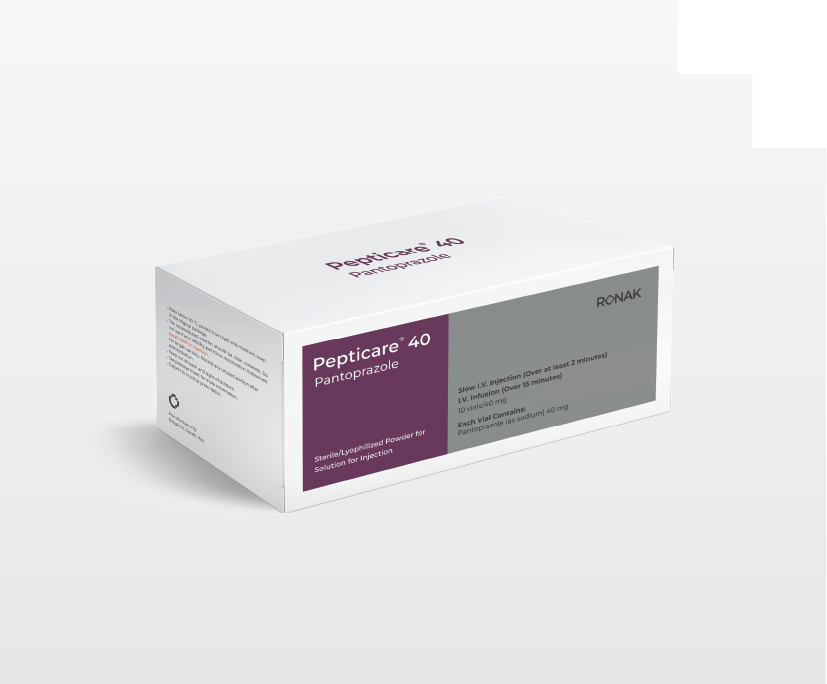
بيبتيكير®
الاسم العلمي: بانتوبرازول
الشكل الصيدلاني: مسحوق مجفد (ليوفيليزات) يحتوي على 40 مجم من بانتوبرازول لتحضير محلول للحقن
التصنيف الدوائي: مثبط مضخة البروتون (PPI)
دواعي استعمال بيبتيكير®:
يُستخدم بيبتيكير® في علاج مرض الارتجاع المعدي المريئي (GERD) وحالات أخرى مرتبطة بزيادة إفراز حمض المعدة.
تشمل الدواعي ما يلي:
-
مرض الارتجاع المعدي المريئي (GERD)
-
متلازمة زولينجر–إليسون
-
الوقاية من استنشاق محتويات المعدة أثناء التخدير
-
الوقاية وعلاج قرحة المعدة
-
الوقاية من قرح المعدة الناتجة عن الإجهاد
-
النزيف الحاد في الجزء العلوي من الجهاز الهضمي
-
الوقاية من الإفراز المفرط لحمض المعدة الناتج عن أورام البنكرياس أو الاثني عشر (متلازمة زولينجر–إليسون)
تركيب بيبتيكير®:
مسحوق مجفد يحتوي على 40 مجم بانتوبرازول لتحضير محلول للحقن الوريدي.
تحضير بيبتيكير®:
بيبتيكير® متوافق مع المحاليل التالية:
-
كلوريد الصوديوم 0.9%
-
ديكستروز 5%
-
محلول رينغر لاكتات
تعليمات التحضير:
-
يُضاف محلول كلوريد الصوديوم 0.9% إلى القارورة لإذابة المسحوق.
-
بعد الذوبان، يُخفف المحلول للحقن الوريدي باستخدام أحد المحاليل المتوافقة المذكورة أعلاه.
-
يجب أن يكون المحلول النهائي صافياً، عديم اللون، وخالياً من الجسيمات.
يجب غسل الخط الوريدي قبل وبعد الحقن باستخدام ديكستروز 5% أو محلول ملحي طبيعي.
طريقة الاستعمال والجرعة:
-
يُعطى بيبتيكير® ببطء فقط عن طريق الحقن أو التسريب الوريدي.
-
يُعطى الحقن الوريدي بتركيز 4 مجم/مل خلال مدة لا تقل عن دقيقتين.
-
يمكن تسريب المحلول المخفف وريدياً خلال 15 دقيقة.
-
كل قارورة مخصصة لاستعمال واحد فقط، ويجب التخلص من أي كمية متبقية.
المتابعة أثناء العلاج ببيبتيكير®:
-
مراقبة مستويات المغنيسيوم، خاصة لدى المرضى الذين يتناولون الديجوكسين أو المدرات
-
مراقبة فقدان كثافة العظام وخطر الكسور
-
الإسهال المرتبط بعدوى المطثية العسيرة (C. difficile)
-
مستويات الكالسيوم والجاسترين
-
إفراز حمض المعدة لدى المرضى ذوي الإفراز المفرط
-
علامات الذئبة الجلدية أو الجهازية
موانع الاستعمال:
-
فرط الحساسية للبانتوبرازول أو أي مكون من مكونات المستحضر
-
وجود تاريخ تحسسي تجاه مثبطات مضخة البروتون الأخرى
-
الاستخدام المتزامن مع المستحضرات المحتوية على ريلبيفيرين
التحذيرات والاحتياطات:
-
راجع الطبيب فوراً في حال فقدان وزن غير مبرر، صعوبة بلع، ألم معدي، قيء دموي، براز أسود أو إسهال مستمر.
-
تفاعلات تحسسية شديدة تتطلب تدخلاً طبياً فورياً.
-
الاستعمال طويل الأمد (أكثر من سنة) قد يزيد من خطر الكسور.
-
الانتباه لأعراض الذئبة.
-
نقص فيتامين B12 مع الاستعمال الطويل.
-
خطر الإصابة بعدوى المطثية العسيرة.
-
قد يؤثر على نتائج بعض الفحوصات المخبرية مثل الكروموغرانين A.
-
قد يقلل من فعالية الكلوبيدوغريل.
الحمل والرضاعة:
-
الحمل: يُستشار الطبيب قبل الاستخدام.
-
الرضاعة: يجب موازنة الفوائد مقابل المخاطر المحتملة.
الآثار الجانبية:
-
صداع أو دوار
-
تفاعلات تحسسية
-
آلام المفاصل
-
التهابات معوية
التداخلات الدوائية:
يجب إبلاغ الطبيب أو الصيدلي بجميع الأدوية المستخدمة.
التعبئة:
تحتوي العبوة على 10 قوارير.
التخزين:
-
يُحفظ تحت 25 درجة مئوية
-
بعيداً عن الضوء والتجميد
-
يُستخدم قبل تاريخ الانتهاء
-
يُحفظ بعيداً عن متناول الأطفال
المراجع:
-
بانتوبرازول – UpToDate، 2025
-
Medicines.org.uk – معلومات منتج بيبتيكير®
Pepticare® (Pantoprazole) is a proton pump inhibitor (PPI) used to reduce the amount of stomach acid produced. It is commonly prescribed for the treatment of conditions such as gastroesophageal reflux disease (GERD), peptic ulcers, and Zollinger-Ellison syndrome. Pantoprazole works by blocking the proton pumps in the stomach lining, effectively lowering acid production and providing relief from symptoms like heartburn, acid reflux, and stomach pain. It helps promote healing of the esophagus and stomach lining, offering long-term relief from gastrointestinal discomfort.
- Gastroesophageal reflux disease (GERD)
- Prevention of aspiration of secretions into the airways in patients undergoing anesthesia
- Prevention and treatment of gastrointestinal ulcers
- Prevention of stress-related gastrointestinal ulcers
- Acute upper gastrointestinal bleeding
- Prevention of excessive stomach acid secretion caused by pancreatic or duodenal tumors (Zollinger–Ellison syndrome)
Lyophilized powder containing 40 mg Pantoprazole for preparation of injectable solution.
Pepticare® is compatible with the following solutions:
- 0.9% sodium chloride
- 5% dextrose
- Lactated Ringer’s solution
To inject Pepticare®, first dissolve the drug powder by adding 0.9% sodium chloride into the vial and prepare it for injection. Then, for intravenous infusion, dilute the solution containing Pepticare® with one of the compatible solutions listed above.
The final solution should show no discoloration and should be free of foreign particles or precipitate.
The IV line should be flushed with 5% dextrose or normal saline before and after Pepticare® injection.
Pepticare® Injection is only for slow intravenous injection or intravenous infusion.
Intravenous injection of the medicine at a concentration of 4 mg/mL should be performed slowly over at least 2 minutes.
The diluted medicine may be administered by intravenous infusion over approximately 15 minutes.
Each vial of Pepticare® Injection is for single use only; discard any remaining medicine.
- Blood magnesium level: before starting treatment and periodically afterward, especially with concomitant use of digoxin, diuretics, or other medicines that may cause hypomagnesemia
- Bone loss and fractures
- Diarrhea caused by Clostridioides difficile infection
- Calcium and gastrin levels
- Gastric acid secretion in patients with excessive acid-secretion disorders
- Signs of lupus
- History of hypersensitivity to Pantoprazole or any component of the formulation
- History of hypersensitivity to other proton pump inhibitors (Omeprazole, Lansoprazole, Rabeprazole, or Esomeprazole)
- If symptoms occur such as unexplained weight loss, difficulty swallowing, stomach pain or indigestion, vomiting or bloody vomiting, black or bloody stool, or severe or persistent diarrhea, see a physician immediately.
- If severe hypersensitivity symptoms occur such as redness, swelling, skin rash, blisters, hives, itching, wheezing, tightness in the chest or throat, difficulty breathing, swallowing, or speaking, unusual hoarseness, or swelling in the mouth, face, lips, tongue, or throat seek medical care immediately.
- Continuous and regular use of Pantoprazole for more than one year may be associated with an increased risk of bone fractures. This risk may be higher in older adults, children, people with osteoporosis, and people using high doses of the medicine.
- Symptoms or signs of cutaneous lupus erythematosus or systemic lupus erythematosus should be monitored.
- Long-term use of Pantoprazole may reduce vitamin B12 absorption. If symptoms of vitamin B12 deficiency occur, including muscle weakness, fatigue, paleness, mood changes, or tingling in the limbs, contact your physician.
- Pantoprazole may increase the risk of diarrhea caused by Clostridioides difficile. If symptoms occur, such as stomach pain, very loose or watery stool, or bloody stool, contact your physician immediately.
- Pantoprazole may affect the results of some laboratory tests, such as chromogranin A.
- This medicine may reduce the therapeutic effects of clopidogrel.
Consult your physician or pharmacist before using Pantoprazole during pregnancy or breastfeeding.
Use of Pantoprazole during pregnancy and breastfeeding should be based on weighing its benefits against its risks.
Like all medicines, Pantoprazole may cause unwanted side effects along with its desired therapeutic effects, although not everyone experiences them. Possible side effects include:
- Headache or dizziness
- Hypersensitivity reactions
- Joint pain
- Intestinal infections
Consult your physician or pharmacist about using Pantoprazole together with other medicines or supplements.
Each package contains 10 vials.
- Store unopened vials below 25°C, protected from light and freezing.
- The medicine may be used until the end of the month stated in the expiry date on the package. Do not use or store expired medicines.
- Keep the medicine out of the reach of children.
- Pantoprazole: Drug information, UpToDate 2025
- Medicines.org.uk product information for Pantoprazole