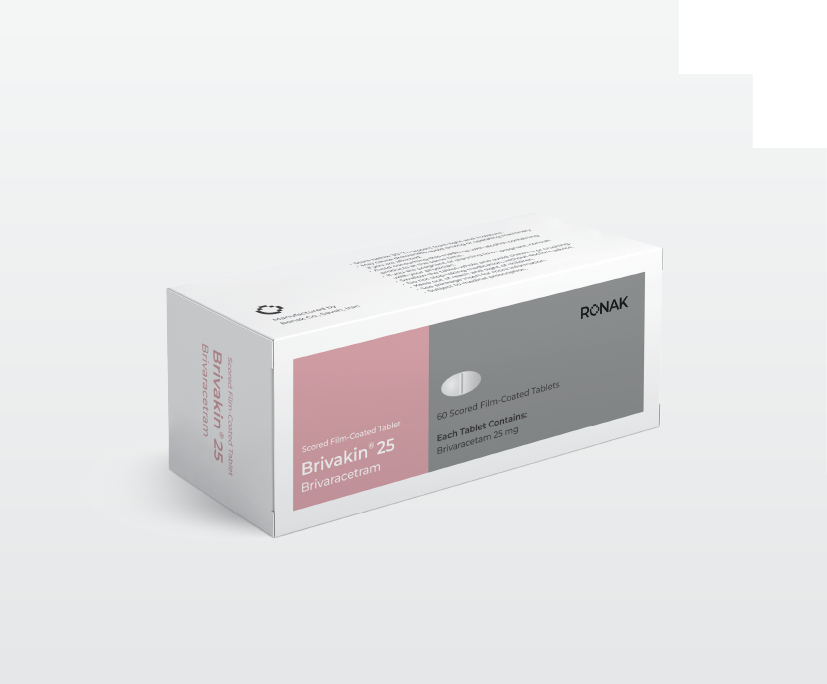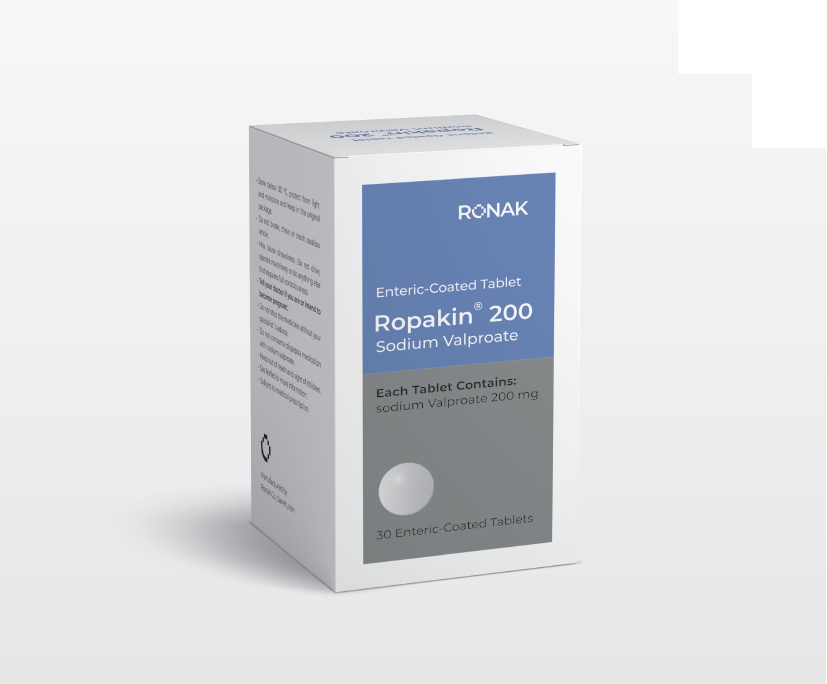


Brivakin®
test
Generic Name: Brivaracetam
Dosage Form: Film-Coated Oral 25 mg, 50 mg, and 100 mg Tablets
Pharmacological Class: Antiepileptic Agent
Indications: This medication is used to treat various types of epilepsy.
Brivakin® is an antiepileptic medication that binds to Synaptic Vesicle Protein 2A (SV2A) receptors and modulates neurotransmitter release, thereby helping to prevent seizure activity.
This medication may be used as monotherapy in selected patients; however, it is more commonly prescribed as adjunctive therapy in combination with other antiepileptic drugs for the management of focal seizures, particularly in treatment-resistant cases.
- Control and treatment of focal (partial-onset) epilepsy in patients older than one month of age
Film-Coated Oral 25 mg, 50 mg, and 100 mg Tablets
- Take Brivakin® exactly as prescribed by your physician. If you are uncertain about the correct method of administration, consult your physician or pharmacist.
- To achieve the best therapeutic response, do not alter the dose or duration of treatment without medical advice.
- Brivakin® tablets may be taken with or without food.
- Swallow the tablets with water and do not chew them.
If you miss a dose, take it as soon as you remember. If it is almost time for your next scheduled dose, skip the missed dose and continue with your regular dosing schedule. Do not take two doses at the same time or an extra dose to compensate for a missed dose.
Symptoms associated with overdose may include:
- Dizziness
- Impaired balance
- Fatigue
- Nausea
- Diplopia (double vision)
- Anxiety
- Bradycardia (slow heart rate)
If an overdose occurs or any of these symptoms develop, seek immediate medical attention.
During treatment, your physician may consider monitoring the following parameters:
- Complete blood cell count (CBC)
- Renal function tests (including serum creatinine and blood urea levels)
- Liver enzyme levels
- Behavioral and psychiatric changes, including:
Aggression
Anger
Depression
Anxiety
Emergence or worsening of suicidal thoughts or behavior
- Hypersensitivity to Brivakin® (brivaracetam) or any component of the formulation
Signs of hypersensitivity may include:
- Skin rash
- Difficulty breathing or swallowing
- Swelling of the lips, face, throat, or tongue
- During treatment initiation, patients may experience impaired coordination, balance disturbances, gait abnormalities, fatigue, or somnolence. Inform your physician if any of these symptoms occur.
- Avoid activities requiring alertness and concentration, such as driving or operating machinery, until you know how the medication affects you.
- Inform your physician immediately if you develop respiratory difficulties, angioedema (swelling of the lips, tongue, throat, or face), or signs of allergic skin reactions.
- Brivaracetam may be associated with psychiatric adverse reactions, including psychosis, suspiciousness, visual hallucinations, and behavioral disturbances. Contact your physician if these symptoms occur.
- Antiepileptic medications, including brivaracetam, may increase the risk of suicidal thoughts or behavior in some patients. Seek immediate medical attention if such symptoms develop.
- Inform your physician if you have liver or kidney disease, as dose adjustment may be necessary.
- Do not discontinue brivaracetam abruptly, as sudden withdrawal may increase the risk of seizure recurrence.
Brivaracetam crosses the placenta. Although adequate clinical studies in pregnant women are limited, patients should consult their physician before using this medication during pregnancy.
Brivaracetam is excreted into breast milk. Consult your physician before using this medication while breastfeeding.
Like all medicines, Brivakin® may cause side effects, although not everybody experiences them. Possible adverse reactions include:
- Dizziness
- Somnolence
- Lethargy
- Abnormal behavior
- Constipation
- Taste disturbances
- Nausea
- Vomiting
- Decreased appetite
- Changes in blood cell counts
- Impaired coordination
- Balance disorders
- Gait disturbances
- Weakness and fatigue
- Euphoria
- Irritability
- Drowsiness
- Malaise
- Suicidal ideation
- Nystagmus (involuntary rhythmic eye movements)
Consult your physician or pharmacist before taking Brivakin® concomitantly with any other medications or dietary supplements.
Each Brivakin® package contains 60 scored tablets (6 blisters of 10 tablets each).
- Store below 25°C.
- Protect from freezing.
- Protect from light and moisture.
- The product may be used until the last day of the month indicated as the expiration date on the package.
- Do not use or store expired medicines.
- Keep out of the sight and reach of children.
- www.accessdata.fda.gov/drugsatfda_docs/label
- www.ema.europa.eu/en/documents/product-information/briviact-epar-product-information_en
- Brivaracetam: Drug information, UpToDate 2025