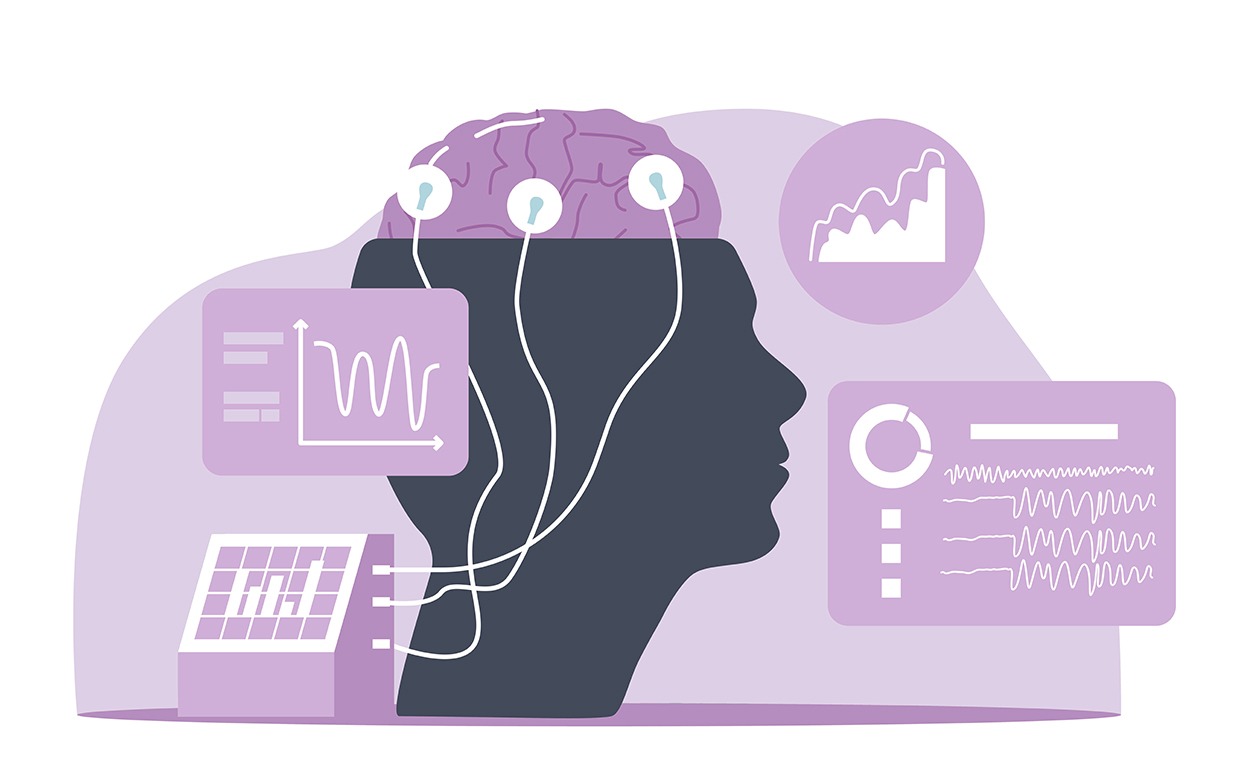





Epilepsy is one of the most common neurological disorders, affecting millions of people worldwide. It is characterized by sudden, unpredictable seizures that can significantly impact daily life. Anti-epileptic drugs (AEDs) are the mainstay of treatment for controlling these seizures. They regulate the brain’s electrical activity, preventing or reducing the intensity of seizures. However, a common question many patients and their families ask is: Do these medications need to be taken for life? The answer is not simple—it depends on several factors. In this article, we’ll explain, in simple terms, when lifelong treatment is necessary and when discontinuation may be possible, based on established medical evidence.
Let’s begin with what epilepsy is. In medicine, epilepsy refers to recurrent, unprovoked seizures (idiopathic seizures). According to the World Health Organization (WHO), around 70% of people with epilepsy can live seizure-free with proper medication. Drugs like valproate, carbamazepine, and levetiracetam are commonly prescribed, starting with low doses that are gradually adjusted. However, long-term use may cause side effects such as fatigue, weight gain, memory issues, or even depression. For this reason, many patients hope to one day live without medication.
Now to the main question: must the drugs always be continued? The answer is no — in many cases, they can be discontinued. Research shows that many people, especially children, can safely stop medication after a few years without seizures. For instance, in children, if seizures are controlled for 1–2 years, the chance of successful withdrawal is high, as some childhood epilepsies resolve with brain maturation. In adults, the seizure-free period before discontinuation is typically 2–5 years. According to a major study, about 50–70% of people remain seizure-free after stopping medication. However, this doesn’t apply to everyone. Some types, such as Juvenile Myoclonic Epilepsy (JME), often require lifelong treatment because of the high risk of relapse.
Several factors influence the decision to stop medication. The first is the seizure-free duration: the longer it lasts, the better the outcome. For instance, if someone has been seizure-free for 10 years and the last 5 years were without medication, this may be considered “complete remission.” The second factor is the type of epilepsy: self-limiting syndromes, such as benign childhood epilepsy with centrotemporal spikes (previously known as Rolandic epilepsy), generally have a good prognosis. In contrast, structural epilepsies due to brain injury carry a higher risk of relapse. The third factor is test results: an EEG (electroencephalogram) plays a key role. If the EEG appears normal before withdrawal, the chance of success increases; if it shows abnormalities, continuing treatment is advisable.
Age is also crucial. Children usually have better outcomes since their brains are still developing and epilepsy may resolve spontaneously. Adults, particularly those with late-onset epilepsy or a history of febrile seizures, face a higher risk of recurrence. The number of medications also matters—patients controlled with a single drug have better chances of successful discontinuation than those taking multiple drugs. Family history and gender (especially in women due to hormonal fluctuations) can also affect relapse risk.
Medication withdrawal must be done cautiously and under medical supervision. Stopping abruptly can trigger severe seizures or status epilepticus (a medical emergency involving continuous seizures lasting over five minutes). Therefore, withdrawal should be gradual — the dose is reduced slowly, over about a month in children and 1–6 months in adults. During this period, medical supervision is essential. If seizures reoccur, the medication should be reinstated immediately. In some countries, like Australia, driving regulations require patients to avoid driving for at least 3 months after stopping AEDs.
What are the risks of stopping anti-epileptic drugs? The main risk is seizure recurrence. Studies indicate that 30–50% of patients experience relapse, most within 6–12 months of stopping. If seizures return, over 90% can regain control with medication, though it might take up to 2 years. However, 20% may not regain full control immediately. Seizure recurrence can also lead to injuries, job loss, or social limitations such as driving restrictions. On the other hand, continuing medication poses its own risks, such as long-term side effects (weight gain, liver issues, or rarely, suicidal thoughts). Hence, the decision should be personalized, balancing benefits and risks.
In special cases, such as after successful epilepsy surgery, withdrawal may be considered after 6–12 months without seizures. For pregnant women or those planning pregnancy, medication changes or discontinuation may be discussed since some AEDs can cause birth defects—but this must be done carefully. If medications fail to control seizures adequately, other options such as surgery, vagus nerve stimulation, or ketogenic diets can be explored.
Ultimately, there is no universal answer. Some patients will need lifelong medication, while many others can live drug-free after years of stability. The key to success lies in consistent medication adherence and regular follow-ups with a specialist. Patients should never change or stop medication without consulting their neurologist. With proper monitoring, adequate sleep, stress management, and avoiding alcohol, epilepsy can be effectively managed — and medical advances continue to offer hope for a better life.